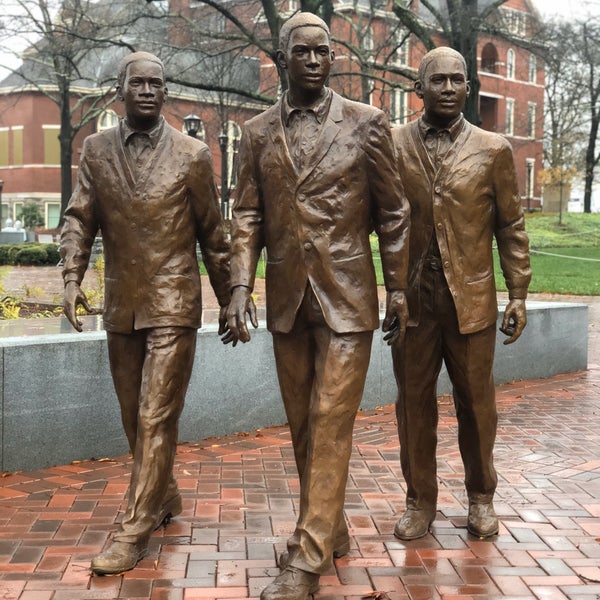
Commissioning a custom sculpture means turning an idea, photograph, story, or site requirement into an artwork made specifically for you. A typical project moves through consultation, quotation, design approval, production, quality inspection, shipping, and installation. The best results come when the purpose, location, size, material, budget, and approval process are clarified before production begins.
At YouFine, we work with private collectors, artists, architects, churches, hotels, developers, and public-space clients. Some arrive with finished drawings; others have only a reference image or a general idea. You do not need to solve every technical question before contacting a sculpture studio. You do, however, need a clear purpose and a team that can turn it into a buildable plan.

What Should You Prepare Before Commissioning a Sculpture?
Before contacting a sculptor, prepare the project’s purpose, reference images, approximate dimensions, installation location, preferred material, budget range, quantity, and target date. You do not need a finished design, but these details allow a studio to assess feasibility, recommend the right production method, and provide a more accurate quotation.
Your first brief does not need to be long. Include as much of the following information as you have:
– The subject, story, or purpose of the sculpture
– Reference photographs, sketches, architectural drawings, or 3D files
– Approximate height, width, and depth
– Preferred material, if already decided
– Indoor or outdoor installation
– City and country of the project
– Target completion or installation date
– Approximate budget range
– Required quantity
– Photographs and dimensions of the installation site
The installation site is as important as the sculpture itself. A piece for a hotel lobby has different requirements from a memorial, coastal garden, church, public park, or shopping plaza. Viewing distance, climate, access, foundation conditions, surrounding architecture, and long-term maintenance can all affect the appropriate scale, material, finish, and internal structure.
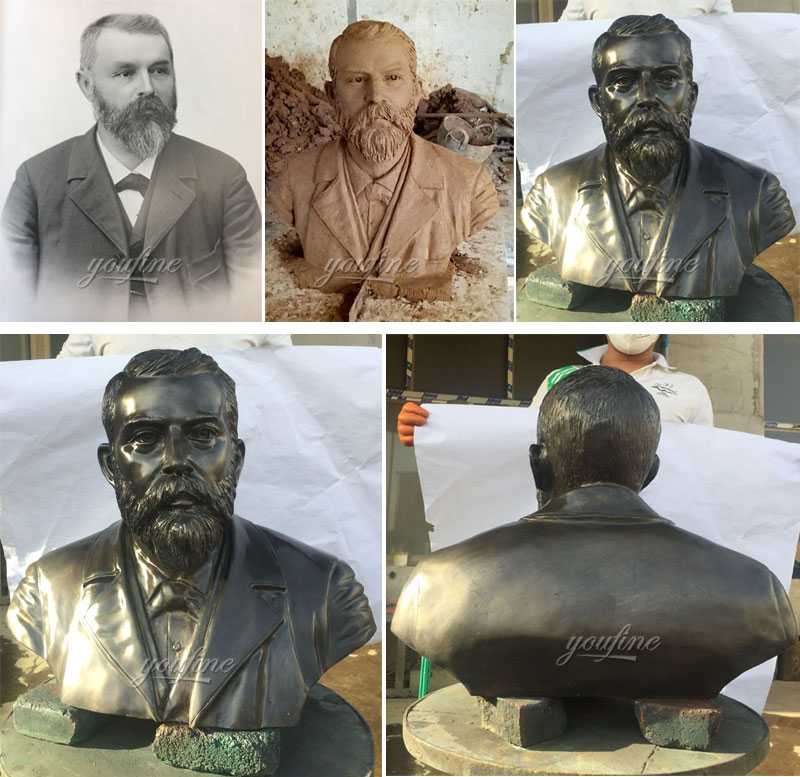
If you are commissioning a portrait from photographs, send clear images from several angles whenever possible. Front, profile, three-quarter, and full-body views help the sculptor understand facial structure, proportions, clothing, and posture. Older or limited photographs can still be useful, but additional family descriptions, measurements, or video may be needed.


How Do You Choose the Right Sculpture Partner?
Choose a sculpture partner with proven experience in your material, scale, and installation type—not simply a portfolio that matches your preferred style. The strongest candidates can show who will design and manufacture the work, how approvals are documented, what quality checks are performed, and how shipping and installation risks will be managed.
Artistic style still matters, but it is only one part of the decision. A beautiful rendering does not prove that a studio can safely produce, ship, and install a large physical artwork.
Before choosing a sculptor or manufacturer, ask:
1. Have they completed sculptures in the same material and at a similar scale?
2. Who creates the model, and who manufactures the final work?
3. Which stages are completed in-house and which are subcontracted?
4. What will you approve before production begins?
5. How are progress updates and revisions handled?
6. What is included in the quotation?
7. Who is responsible for engineering, packaging, shipping, insurance, and installation?
8. Can they show real production photographs and completed installations?
YouFine operates as a multi-material sculpture manufacturer rather than recommending one material for every project. Our teams work with bronze casting, marble carving, stainless steel fabrication, and other custom solutions. This allows the design, site, expected lifespan, and budget to guide the material decision.

Which Material Is Right for Your Custom Sculpture?
The right material depends on where the sculpture will be installed, how long it should last, the level of detail required, the desired appearance, structural limits, maintenance expectations, and budget. Bronze suits detailed permanent work, marble offers a hand-carved classical character, stainless steel supports contemporary large-scale forms, and resin reduces weight.
There is no single best material for every commission. Use the following comparison as a starting point rather than a universal rule.
| Material | Often selected for | Important planning points |
|---|---|---|
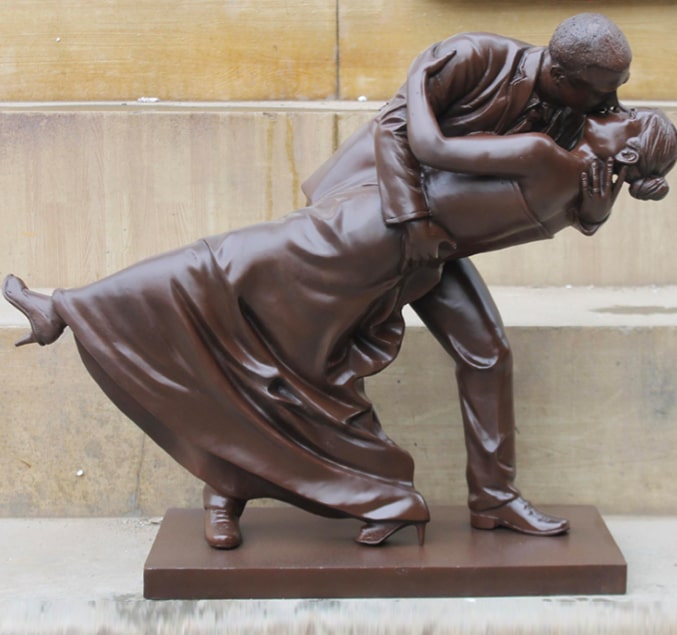
| Bronze | Portraits, memorials, figures, animals, and permanent outdoor art | Excellent detail and durability; requires modeling, molding, casting, welding, chasing, and patina |
| Marble | Classical figures, religious sculpture, memorials, fountains, and architectural settings | Natural stone appearance and fine hand‑carved detail; block quality, grain, weight, and installation must be considered |
| Stainless steel | Contemporary, abstract, commercial, landscape, and large public sculpture | Suitable for complex forms and modern finishes; grade, internal structure, welding, polishing, and environment matter |
| Fiberglass or resin | Lightweight displays, large painted forms, prototypes, and projects with lower structural weight | Easier to transport, but outdoor exposure, finish, reinforcement, and intended lifespan must be evaluated |
For outdoor or large-scale work, material selection should consider more than appearance. Wind, salt air, water exposure, temperature, public interaction, structural loads, maintenance, and access to the site can all influence the final recommendation.
The Custom Sculpture Commissioning Process
1. Consultation and Feasibility Review
The process starts with your idea and project information. We review the purpose, design references, approximate dimensions, intended location, preferred finish, budget, and deadline. At this point, we may recommend a different material, size, structure, or production method if it would improve durability, appearance, or feasibility.
2. Proposal, Quotation, and Agreement
Once the main requirements are understood, the project can be quoted. A useful quotation should identify the material, dimensions, finish, quantity, design scope, production scope, packaging, and any separately priced services.
The agreement should also clarify the payment schedule, expected timeline, revision process, approval responsibilities, shipping terms, and ownership of the design or mold where relevant. YouFine projects commonly begin with a deposit after the proposal and design direction are accepted; the exact payment terms should always be stated in the project agreement.
3. Concept Design and Model Development
The design method depends on the sculpture.
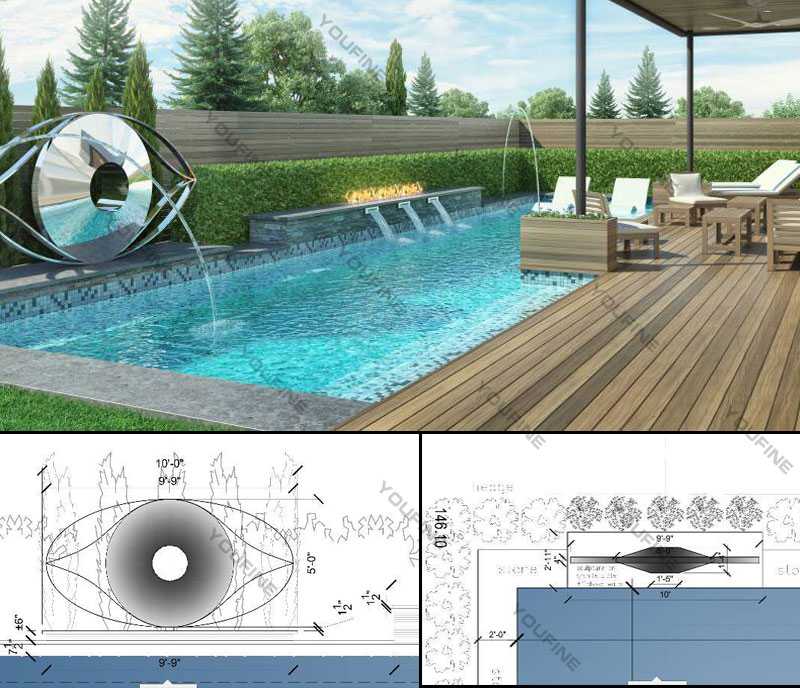
For stainless steel work, the early stage commonly involves 3D renderings, technical drawings, or a foam model. These tools help confirm the form, proportions, structural concept, and relationship to the site before metal fabrication begins.
For bronze sculpture, the clay model is the most important artistic approval stage. It allows the client to review the likeness, anatomy, pose, expression, clothing, texture, and overall character before molding and casting.
For marble sculpture, drawings and references guide the work before carving. After rough carving, the client can review the principal proportions, pose, and overall composition before the sculptor proceeds to fine details and polishing.
4. Review, Revisions, and Formal Approval
The safest and least expensive time to make changes is before final production.
Based on YouFine’s project experience, clients usually request revisions at these stages:
Stainless steel: during the 3D drawing, rendering, or foam-model stage
Bronze: while the clay model is being developed
Marble: after rough carving, before fine carving and surface finishing
These are not casual updates; they are approval gates. Shape, pose, proportions, dimensions, facial features, base design, finish, and site relationship should be reviewed carefully. Once metal has been formed or cast, or marble has been removed, major changes become slower, more expensive, and sometimes impossible.
At YouFine, photos and videos are shared at important stages so the client can review progress and provide focused feedback. For complex projects, drawings, visual simulations, physical models, or factory visits may also be used.
5. Production
After formal approval, the project enters material-specific production.
A bronze sculpture proceeds from the approved clay model through mold making, wax reproduction, ceramic shell preparation, casting, welding, chasing, and patina. Marble is developed through material selection, rough carving, proportional refinement, fine carving, grinding, and polishing. Stainless steel fabrication typically includes structural planning, cutting, forming, welding, grinding, and the selected surface finish.
This article focuses on commissioning decisions rather than repeating every manufacturing operation. You can see the processes in more detail on YouFine’s sculpture manufacturing techniques page.
6. Quality Control and Final Approval
Quality control should verify the approved design, not simply confirm that production is finished. Depending on the project, checks can include:
– Overall dimensions and proportions
– Portrait likeness and sculptural detail
– Surface color, texture, patina, or polish
– Welds, seams, joins, and structural connections
– Material specifications and stability
– Base, anchoring points, and assembly fit
– Trial assembly for multi-part works
– Packing and lifting requirements
Final photographs and videos give the client an opportunity to review the completed work before packing. For large sculptures, trial installation at the factory can help confirm alignment and assembly before international shipping.
7. Packing, Shipping, and Installation
Shipping should be considered early, especially for heavy, fragile, oversized, or multi-part sculpture. Crate dimensions, internal bracing, lifting points, container access, insurance, customs documentation, on-site equipment, foundation preparation, and anchoring may all affect the project plan.
YouFine supplies custom export packaging and can provide installation drawings, connection guidance, and technical documentation when required. Local contractors may complete installation, while more complex projects can require coordination among the sculpture team, engineers, landscape contractors, crane operators, and site managers.


How Long Does a Custom Sculpture Take?
A conventional 1–2 meter custom sculpture typically requires about 3–4 weeks in stainless steel, 4–6 weeks in marble, or 6–9 weeks or longer in bronze. These are production ranges from YouFine’s project experience, not complete delivery schedules; design approvals, complexity, engineering, packing, transit, customs, and installation can extend the total timeline.
| Sculpture type | Typical production period | Main reason for the range |
|---|---|---|
| Stainless steel sculpture | About 3‑4 weeks | 3D or foam‑model confirmation, forming, welding, grinding, and finishing |
| Bronze sculpture | About 6‑9 weeks or longer | More production stages and more detailed approvals, especially during clay modeling |
| Marble sculpture | About 4‑6 weeks | Stone selection, rough carving, client review, fine carving, and polishing |

Large, monumental, multi-figure, highly realistic, or technically complex projects take longer. Client approval time, engineering, special finishes, repeated revisions, trial assembly, packaging, and international shipping also affect the complete schedule.
The important distinction is between production time and total project time. The total schedule begins with design discussions and ends with delivery or installation. A realistic plan should therefore include design, approvals, production, quality control, packing, transit, customs clearance, and site preparation.

What Does a Custom Sculpture Cost?
At YouFine, a custom or factory-made sculpture generally costs about **$3,000–$25,000 or more**. Small decorative work may cost under $3,000, life-size pieces commonly fall around $7,000–$20,000, and monumental projects often start near $25,000. These are factory-level planning ranges—not fixed quotes—and shipping or installation may be separate.
The final price is built from the complete scope rather than size alone. Major factors include material, dimensions, design complexity, number of figures, level of portrait detail, engineering, model and mold requirements, surface finish, quantity, packaging, shipping, and installation.
When comparing quotations, check whether each supplier includes the same scope. A lower headline price may exclude original design work, structural engineering, a full-scale model, premium finishing, export packaging, insurance, or installation support.
For broader price ranges and a detailed explanation of the cost factors, see YouFine’s sculpture cost guide.
About YouFine’s Manufacturing Experience
This guidance comes from YouFine’s work as a sculpture factory founded in 1983, where sculptors, designers, engineers, project consultants, quality-control specialists, and craftspeople handle commissions from consultation through installation. Our project portfolio documents design reviews, factory inspections, fabrication, packing, and installation support across more than 5,000 completed projects in over 50 countries. You can review examples directly on the YouFine team and project portfolio pages.

YouFine Project Case Studies
The examples below show how early approval decisions—confirming large stainless steel forms before fabrication, treating the bronze clay model as the main artistic checkpoint, and planning assembly before international shipping—helped these projects avoid late changes and keep design, production, quality control, transport, and installation aligned.

Approve large stainless steel work before fabrication
For a public park project in Moscow, YouFine produced 11 custom stainless steel sculptures, including works measuring 4–6 meters. The design team prepared 3D models, technical drawings, proportions, renderings, and placement simulations before fabrication. Identifying adjustments at this stage helped reduce costly changes once forming and welding began. The project also involved progress reporting, a client factory visit, packaging, and installation documentation. View the Russian park project.


Treat the bronze model as the main artistic checkpoint
In the commissioned Dior Goddess sculpture project, the artists and YouFine team repeatedly refined the full clay model before casting. The wax stage was also inspected before the final bronze work proceeded. The case demonstrates why a complex bronze commission needs more time than a simple fabrication project and why artistic approval should happen before irreversible foundry stages. View the Dior Goddess project.


Plan assembly and installation before shipping
For a 7.5-meter stainless steel sculpture project in Abu Dhabi, a 1:1 foam model and factory trial installation supported scale confirmation and assembly planning. Large work should be designed not only to look correct, but also to be manufactured, transported, assembled, anchored, and maintained safely. View the Abu Dhabi project.

More bronze, marble, stainless steel, private-estate, hotel, church, and public-art examples are available in YouFine’s project portfolio.
Common Mistakes to Avoid
The most expensive commissioning mistakes happen when buyers approve incomplete designs, compare quotations with different scopes, provide weak references, or postpone site and installation planning. Most can be prevented by appointing one decision-maker, documenting each approval, confirming what the price includes, and resolving changes before casting, fine carving, or metal fabrication begins.
– Starting production before the size and installation site are confirmed
– Choosing a supplier only by price or rendering quality
– Providing too few references for a portrait sculpture
– Giving feedback after the correct revision stage has passed
– Allowing several stakeholders to give conflicting instructions
– Failing to define what the quotation includes
– Planning foundations, access, or lifting only after production
– Assuming physical ownership automatically includes copyright or mold rights
– Approving progress from unclear photographs instead of requesting detailed views
A commission runs more smoothly when one person is authorized to consolidate feedback and approve each milestone.
Frequently Asked Questions
The questions below address the issues buyers most often need to resolve before requesting a quotation: whether a finished design is required, whether photographs are sufficient, when revisions should be made, whether a single sculpture can be ordered, and how international delivery works. Project-specific answers should always be confirmed in the written proposal.
Do I need a finished design before contacting YouFine?
No. You can start with photographs, sketches, architectural drawings, a 3D file, or a written idea. The design team can help develop a workable direction.
Can YouFine create a sculpture from photographs?
Yes. Multiple clear views are preferable for portrait work, but older or limited references may be supplemented with measurements, descriptions, clothing references, and historical information.
Can a single sculpture be commissioned?
Yes. YouFine works on one-off private commissions as well as multi-piece and large-scale projects.
Does YouFine ship internationally?
Yes. Packaging, freight, documentation, insurance terms, delivery access, and installation responsibilities should be confirmed for each project.
What should a sculpture commission agreement include?
It should define the approved design, material, dimensions, finish, price, payment milestones, revision limits, production schedule, approval responsibilities, shipping terms, installation scope, insurance, and ownership of the physical sculpture, design, and mold where applicable.
What is usually included in a custom sculpture quote?
A quote may include design, production, standard finishing, quality inspection, and export packing. Engineering, special models, international freight, duties, foundations, cranes, and on-site installation may be separate. Compare the complete scope rather than the headline price.
Can YouFine help with foundations and installation?
Depending on the project, YouFine can provide structural connection details, anchoring guidance, installation drawings, trial assembly, and technical support.
Start Your Custom Sculpture Project
To receive useful design advice and an accurate quotation, send your reference images, approximate size, preferred material, quantity, installation city, deadline, and any site photographs you have. If you are unsure about the material or production method, describe the result you want and the environment in which the sculpture will be installed.
YouFine can then review the project from artistic, manufacturing, shipping, and installation perspectives before recommending the next step.

Hi, I’m Dora, the funder of You Fine Art Sculpture, I’ve been running a factory in China that makes sculptures for 20 years now, and the purpose of this article is to share with you the knowledge related to sculptures from a Chinese supplier’s perspective.
View all posts