


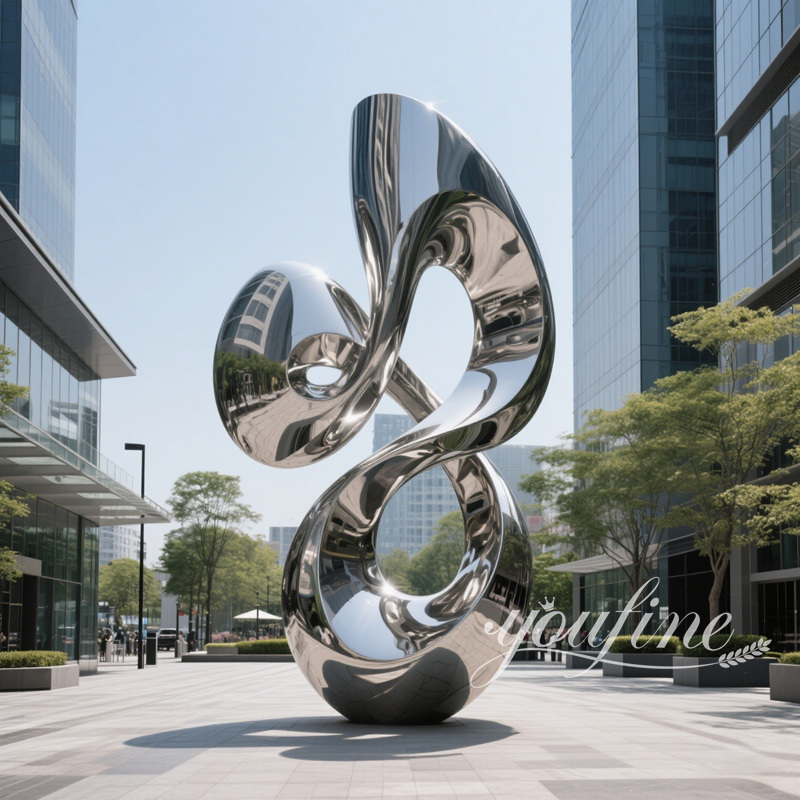
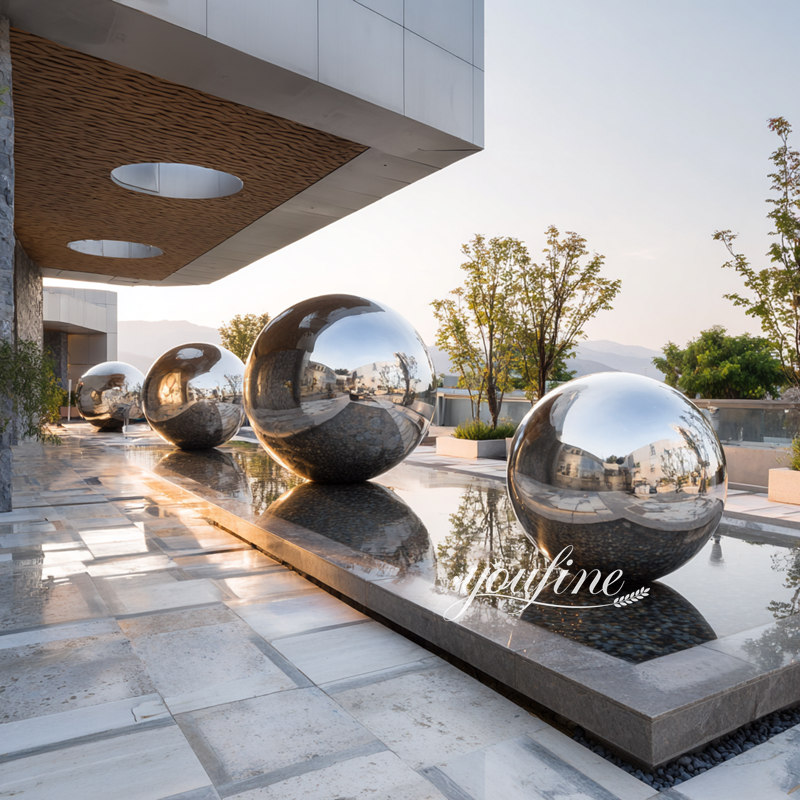
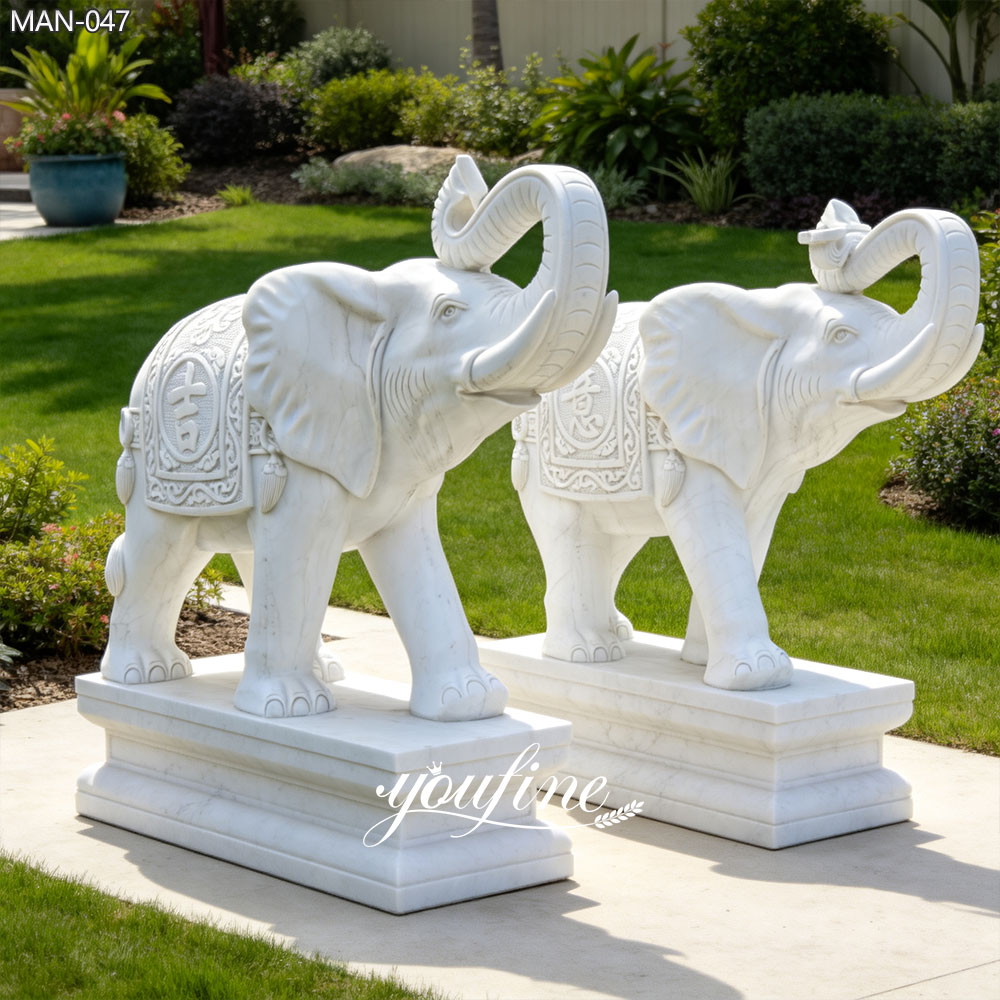
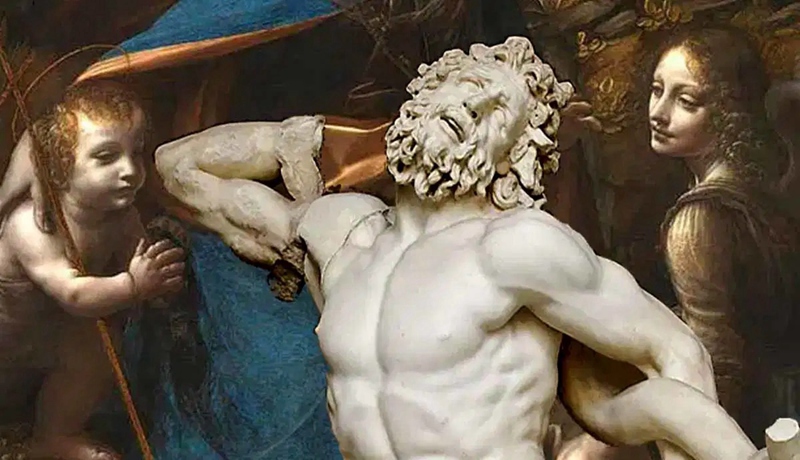
When investing in a sculpture, a common question arises: how long will it last? This often depends on the material, the environment where it will be placed, and how well it is maintained. With the right combination of durable materials, careful consideration of the environment, and regular upkeep, a well-crafted sculpture can last anywhere from 50 years to over a thousand years.
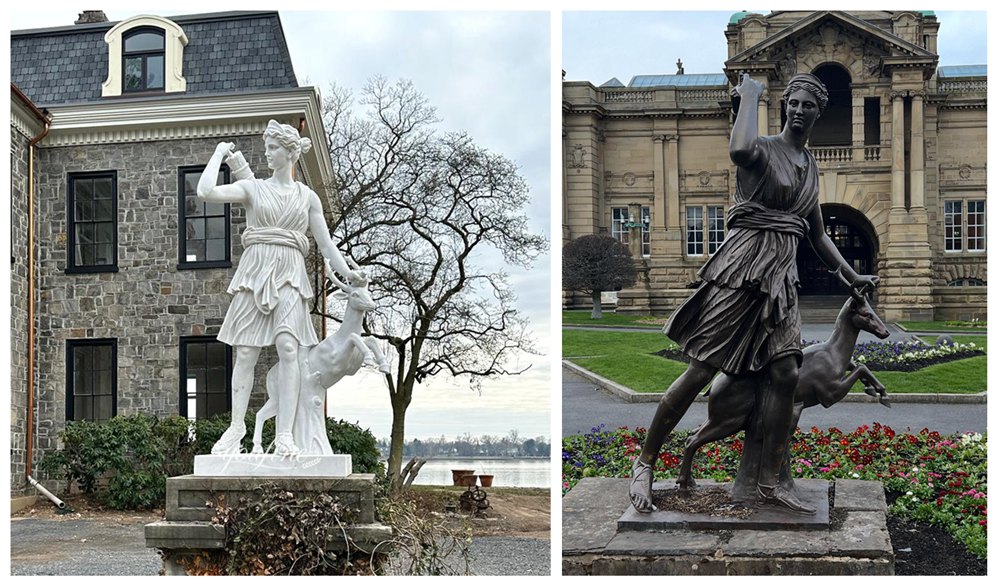
The bronze Diana statue and marble Diana statue are located outdoors.
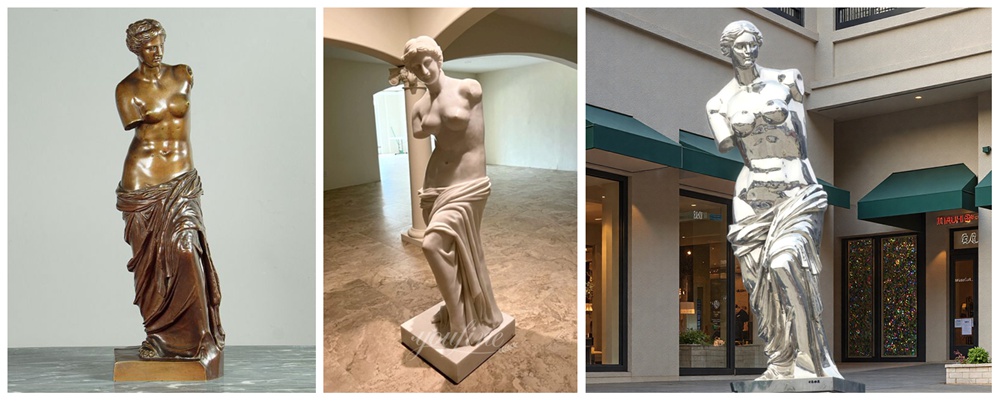
Large Venus sculptures of different materials are placed at various locations.
By making informed decisions and working with experienced professionals, you can ensure your sculpture becomes a timeless masterpiece that endures for generations. Let’s explore more about what affects a sculpture’s longevity and how to make the best choice for your needs.
Different Materials Sculpture Lifespan
When choosing a sculpture, understanding the lifespan of various materials is crucial to making an informed decision. Each material has unique characteristics that affect its durability and suitability for specific environments. Here’s an overview of commonly used materials and their expected lifespans:
| Material | Outdoor Lifespan | Indoor Lifespan | Key Features |
|---|---|---|---|
| Bronze | 100–2,000+ years | 2,000+ years | Highly durable, develops a protective patina, resistant to corrosion. |
| Marble | Centuries to millennia | Centuries | Timeless elegance, but sensitive to acid rain and weathering outdoors. |
| Stainless Steel | 50–500+ years | 100+ years | Modern, corrosion-resistant, ideal for coastal or harsh environments. |
| Fiberglass | 10–30 years | 50–100 years | Lightweight, versatile, but UV-sensitive and prone to wear outdoors. |
| Iron | 5–20 years | 20–50 years | Strong but prone to rust and corrosion, requires regular maintenance. |
| Wood | 20–50 years | 50–100 years | Natural beauty, but sensitive to moisture, pests, and decay. |
| Plastic/Resin | 5–25 years | 10–50 years | Affordable, lightweight, but prone to fading, cracking, and wear. |
Key Takeaways:
Bronze is the gold standard for longevity, ideal for both indoor and outdoor sculptures.
Stainless steel is a premium choice that embodies style and modernity, making it particularly well-suited for most indoor and outdoor environments.
Marble offers timeless elegance but requires careful placement and maintenance in outdoor settings.
Fiberglass and resin are cost-effective and lightweight but better suited for indoor use or short-term outdoor displays.
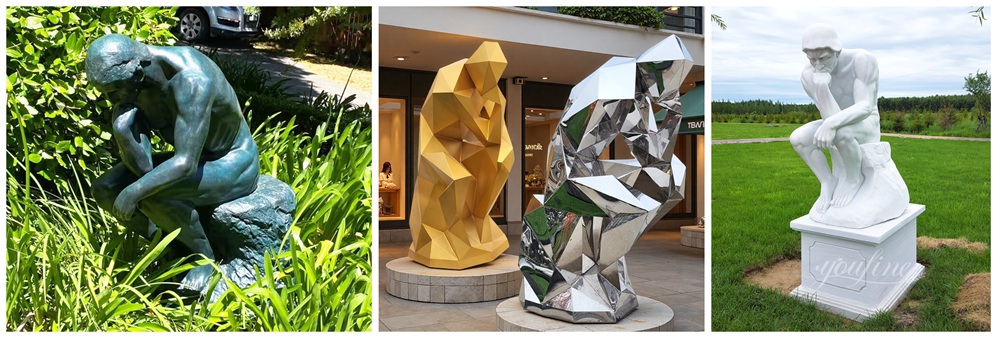
Lifesize Sculptures of The Thinker in various materials are placed at various locations.
1. Bronze
Lifespan:
Outdoor: 100–2,000+ years (depending on environmental factors and maintenance).
Indoor: 2,000+ years.
Challenges:
Exposure to acidic rain or pollutants can cause discoloration or patina changes over time.
Requires regular care to maintain its appearance and prevent excessive tarnishing.
Maintenance:
Periodic cleaning with mild soap and water.
Apply a thin layer of wax every 6–12 months to maintain the patina and protect against corrosion.
Example:
Bronze sculptures of historical figures or decorative fountains in public parks or private gardens.
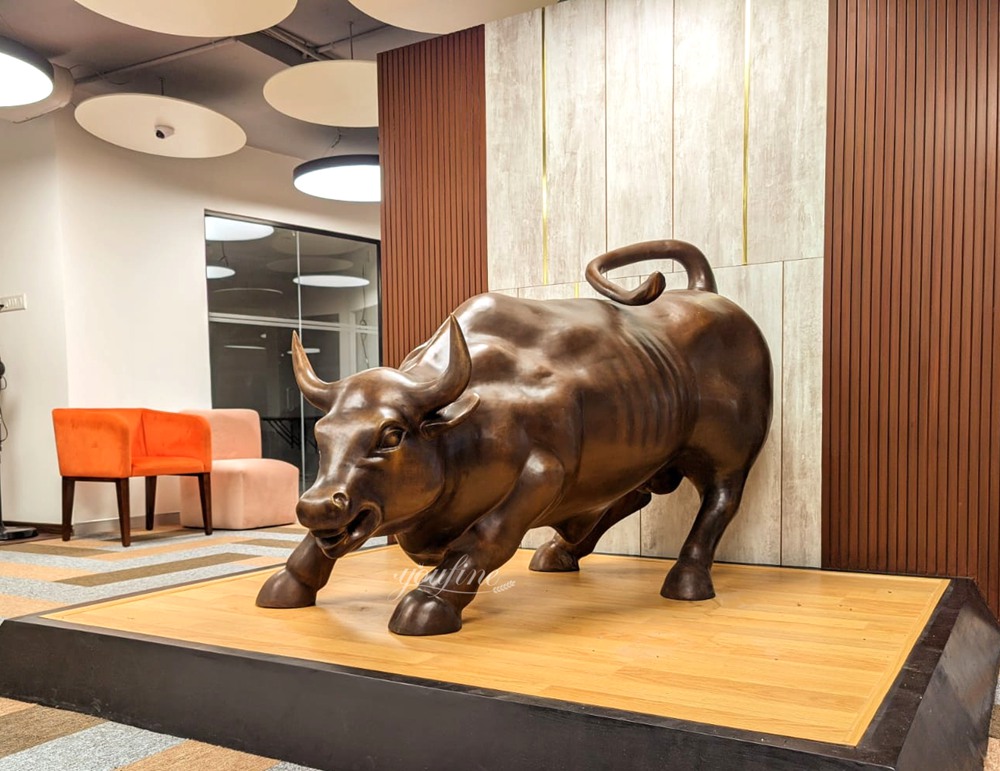
High-quality bronze sculpture of the Wall Street Bull
2. Marble
Lifespan:
Outdoor: Centuries to millennia (depends on weather exposure and acidity).
Indoor: Centuries (with minimal degradation).
Challenges:
Vulnerable to acid rain, which can erode the surface.
Requires protection from harsh weather conditions to avoid discoloration and surface damage.
Maintenance:
Regular cleaning with pH-neutral solutions.
Avoid using acidic or abrasive cleaners to prevent surface damage.
Example:
Timeless marble fountains, statues in gardens, or classical indoor sculptures.
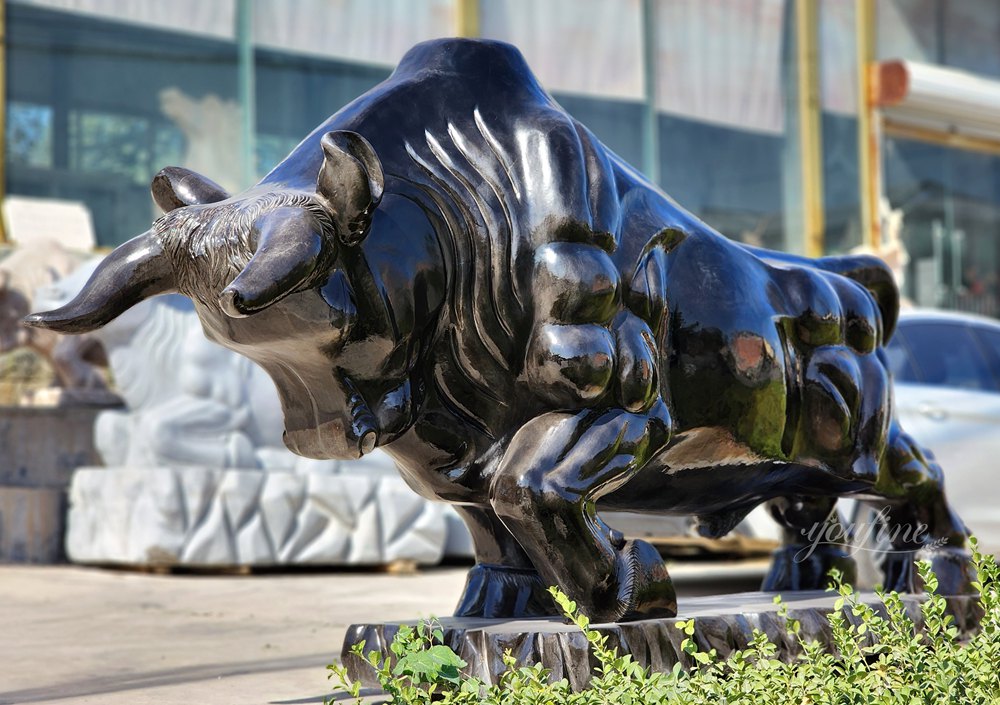
YouFine Marble Ox Sculpture
3. Stainless Steel
Lifespan:
Outdoor: 50–500+ years (depending on grade and environment).
Indoor: 100+ years.
Challenges:
May develop surface stains if exposed to harsh chemicals or pollutants.
Requires proper grade selection (e.g., 316L for coastal areas to resist saltwater corrosion).
Maintenance:
Clean with a soft cloth and mild detergent to maintain its shine and prevent stains.
Avoid abrasive materials that can scratch the surface.
Example:
Modern abstract sculptures in urban parks or coastal areas.
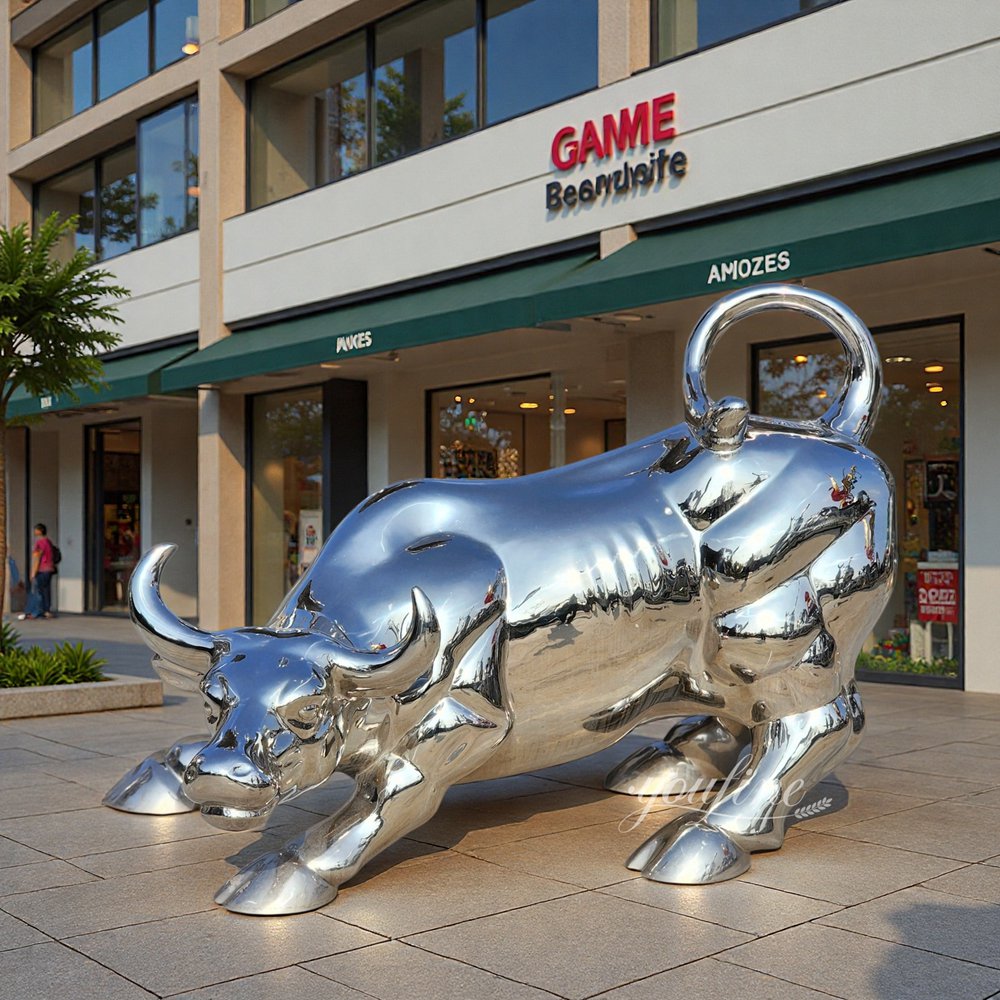
Stainless Steel Sculpture of the Wall Street Bull
4. Fiberglass/Resin
Lifespan:
Outdoor: 10–30 years (depending on UV exposure and weather conditions).
Indoor: 50–100 years.
Challenges:
Prone to UV damage, which can cause fading and cracking in outdoor settings.
Less durable in extreme weather conditions, such as high heat or freezing environments.
Maintenance:
Apply UV-resistant coatings to protect against fading.
Regularly inspect for cracks or damage and repair promptly.
Example:
Lightweight sculptures for temporary outdoor events or colorful indoor decor.
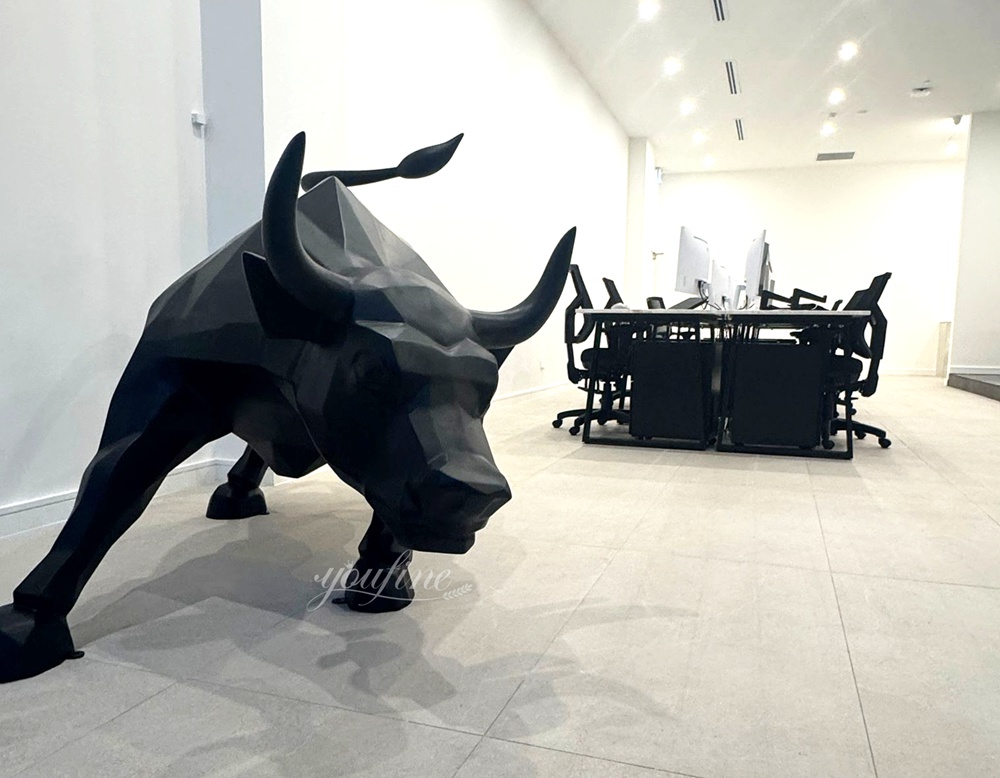
Fiberglass Sculpture of the Wall Street Bull
5. Iron
Lifespan:
Outdoor: 5–20 years (depending on exposure to moisture and rust prevention).
Indoor: 20–50 years.
Challenges:
Highly susceptible to rust and corrosion if not properly treated or maintained.
Maintenance:
Regularly apply anti-rust coatings or paints.
Inspect for rust and perform timely repairs.
Example:
Decorative gates, fences, or vintage-style sculptures.
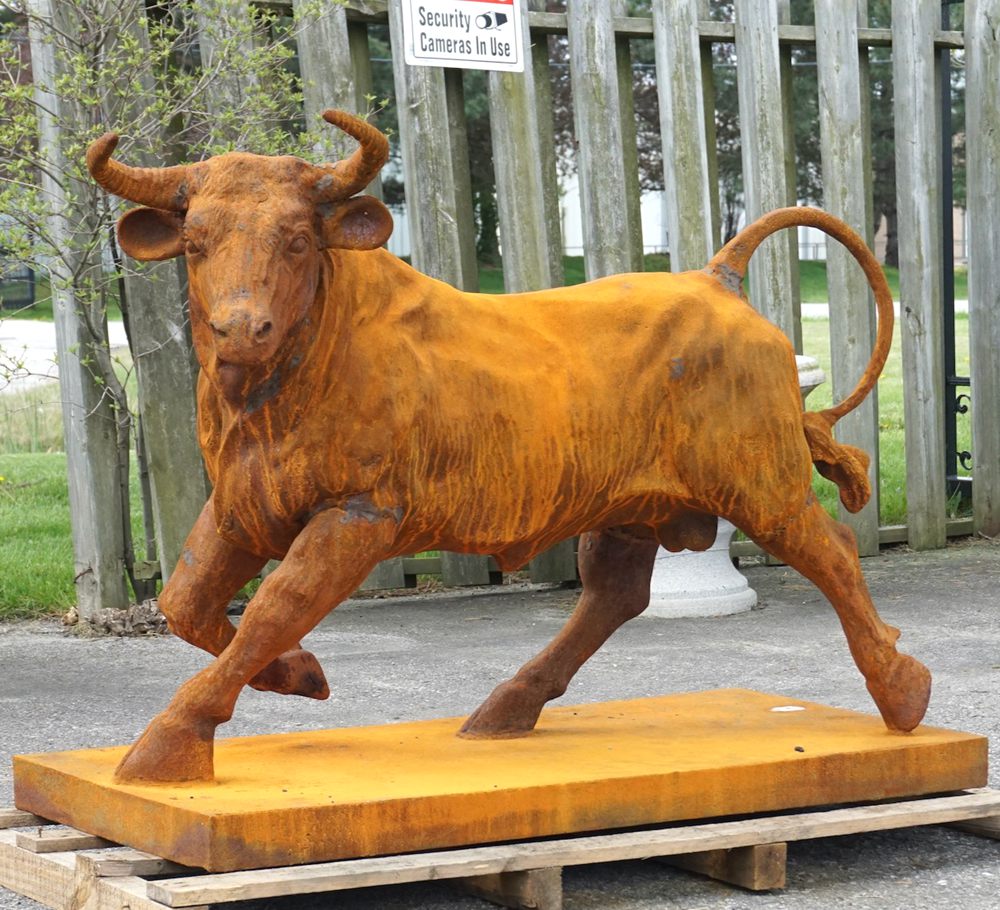
Lifesize Iron Bull Statue
6. Wood
Lifespan:
Outdoor: 20–50 years (depending on wood type and exposure).
Indoor: 50–100 years.
Challenges:
Vulnerable to moisture, pests, and decay.
Requires protection from direct sunlight and rain.
Maintenance:
Apply wood sealants or varnishes regularly.
Protect from pests with appropriate treatments.
Example:
Rustic indoor sculptures or garden decorations in shaded areas.
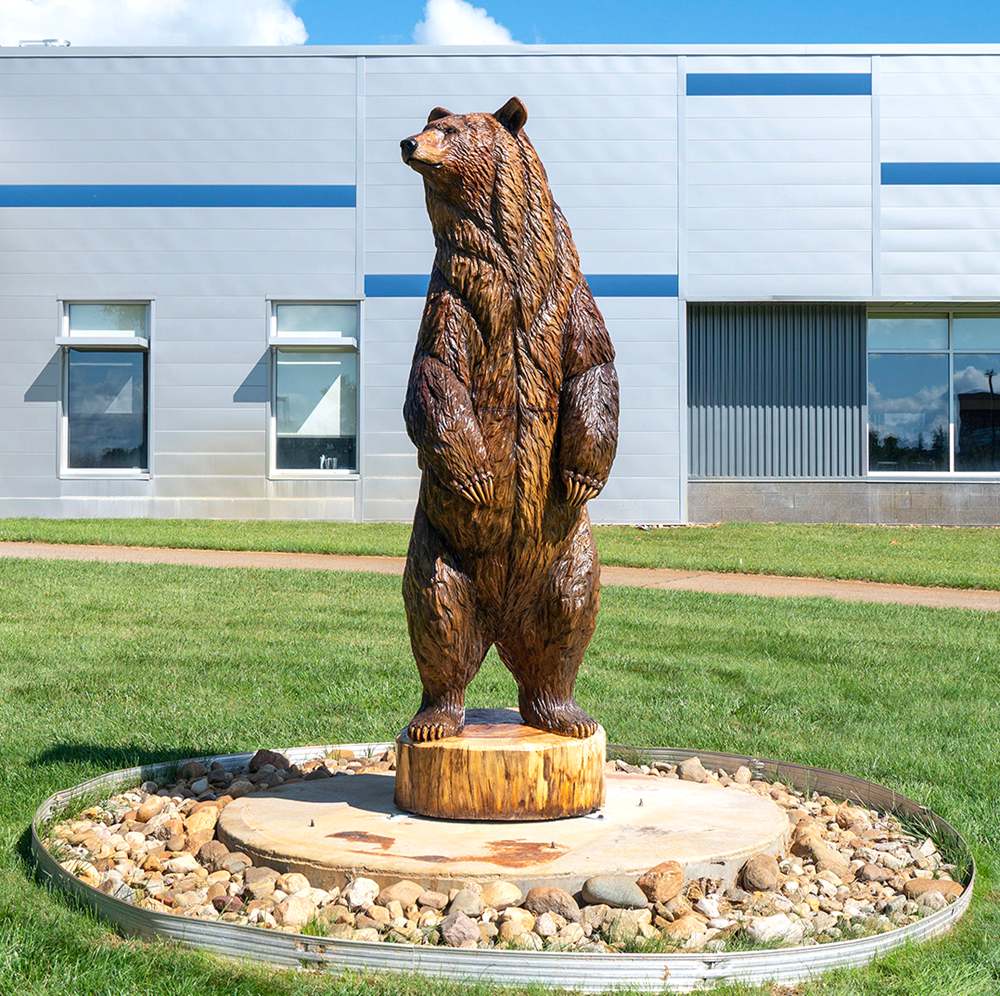
Lifesize Wood Bear Sculpture
7. Plastic
Lifespan:
Outdoor: 5–25 years (depending on quality and UV exposure).
Indoor: 10–50 years.
Challenges:
Prone to fading, cracking, and wear due to UV exposure and temperature fluctuations.
Less durable compared to other materials.
Maintenance:
Apply UV-resistant coatings for outdoor use.
Avoid placing in areas with extreme temperatures.
Example:
Affordable decorative pieces or temporary installations.
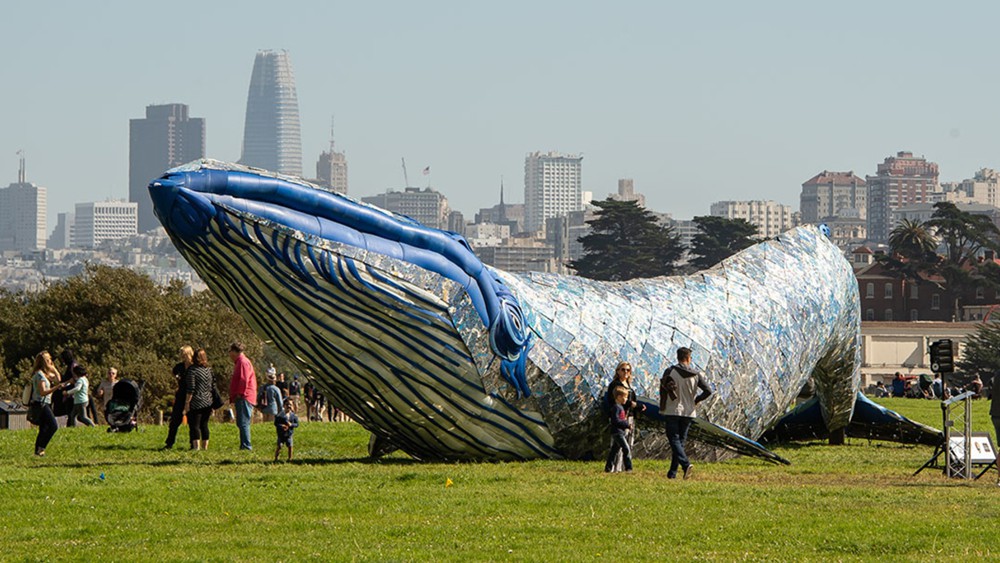
Huge Plastic Whale Sculpture
8. Other Modern Materials
Material Examples: Acrylic, composite materials, and engineered stone.
Lifespan: Varies widely depending on the material and environmental factors.
Key Features: Lightweight, customizable, and often designed for specific purposes like modern art installations.
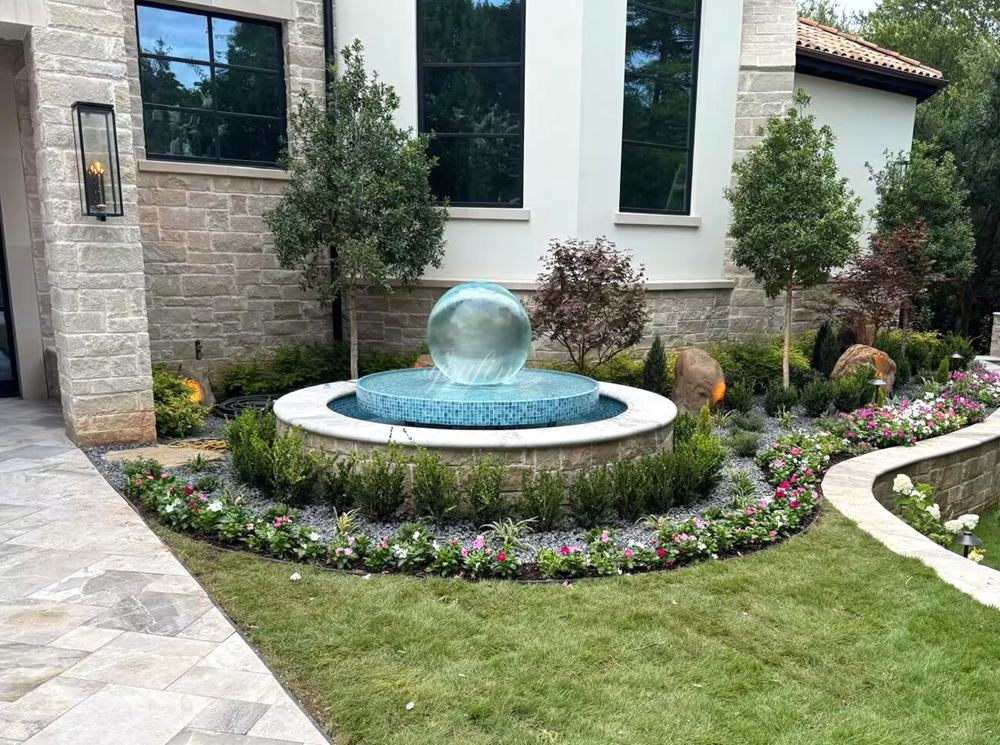
Artistic Acrylic Sphere Fountain
Factors That Affect Sculpture Longevity
1. Material
The choice of material is the most critical factor affecting a sculpture’s lifespan. Durable materials like bronze, stainless steel, and marble are ideal for long-term use, especially in outdoor settings. For example, our bronze sculptures are made using high-quality bronze with a thickness of 5–8 mm, ensuring durability and resistance to weathering.
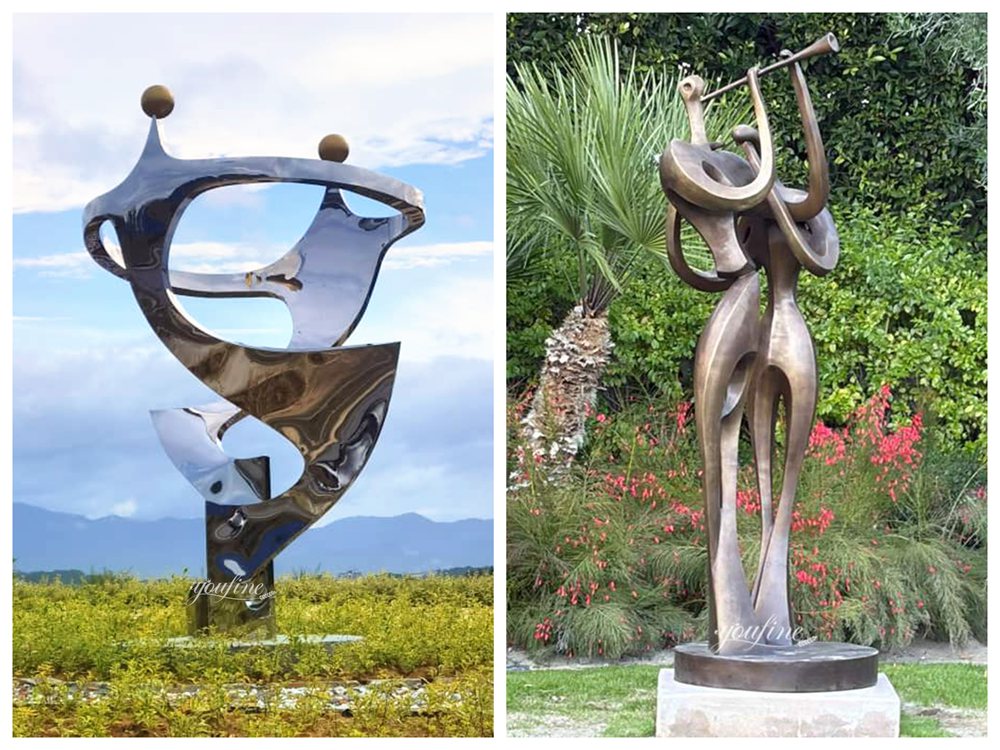
Abstract Stainless Steel Figure Sculpture and Bronze Figure Sculpture
2. Environmental Conditions
The environment where the sculpture is placed plays a significant role in its preservation:
Coastal Areas: Use 316L stainless steel to resist saltwater corrosion.
Cold Climates: Choose materials like bronze or stainless steel that can withstand freezing temperatures.
Arid Regions: Opt for materials that resist cracking, such as fiberglass or stainless steel.
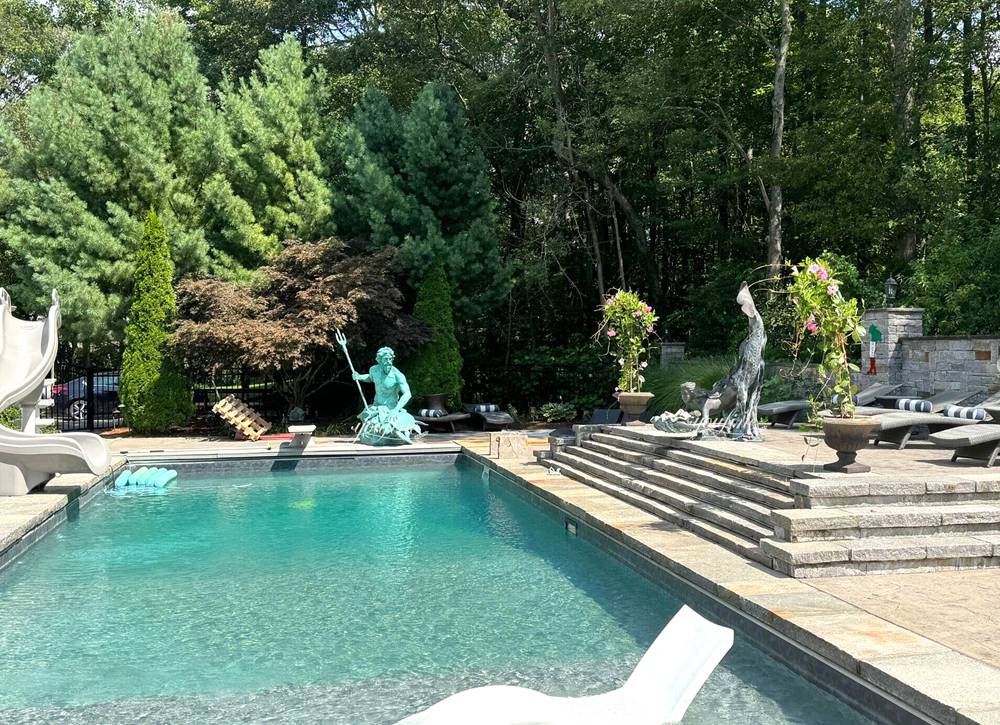
Bronze Poseidon Sculptures and Bronze Mermaid Sculptures beside a swimming pool
3. Maintenance
Regular cleaning, waxing, and protective coatings can significantly extend the life of a sculpture. For example, bronze sculptures benefit from periodic waxing to maintain their patina and prevent corrosion.
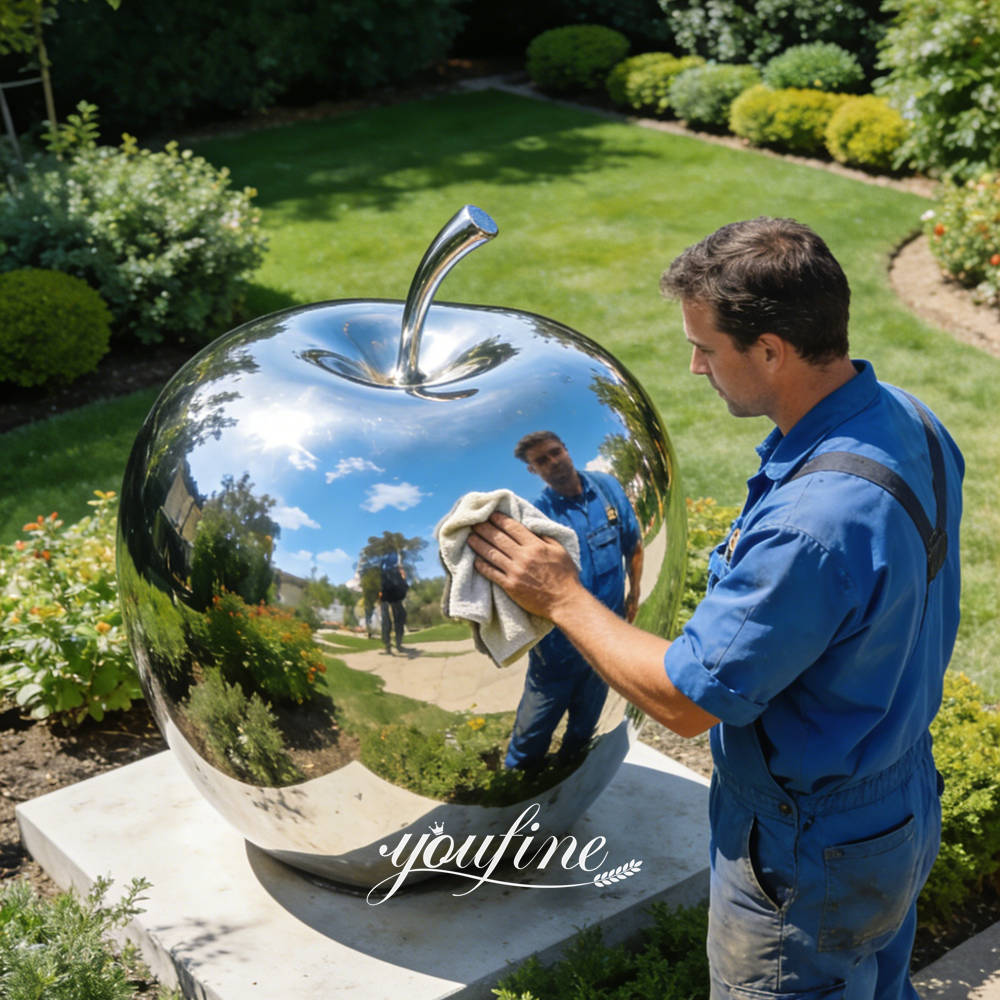
Stainless Steel Sculpture Maintenance
How to Choose a Durable Sculpture
Selecting a suitable sculpture involves more than just aesthetic appeal; it requires a careful consideration of various factors—including materials, budget, design style, placement environment, and how to maximize the sculpture’s longevity. The following are some key points and suggestions to help you find the perfect sculpture for your needs:
| Factor | Recommendation |
|---|---|
| Placement | |
| Indoor Sculptures | Use materials like wood, fiberglass, resin, or marble. These are suitable for stable environments with minimal upkeep. |
| Outdoor Sculptures |
|
| Budget | |
| High Budget | Bronze and marble for high quality, durability, and timeless appeal. Great for long-term investment. |
| Medium Budget | Stainless steel and fiberglass offer durability and cost-effectiveness, suitable for both modern and classic designs. |
| Low Budget | Resin or plastic sculptures are affordable for temporary or indoor use, with less durability but good decorative value. |
| Aesthetic Style | |
| Classic Elegance | Bronze and marble for a timeless, sophisticated look. |
| Modern Appeal | Stainless steel with smooth surfaces and unique shapes for contemporary spaces. |
| Creative Designs | Fiberglass and resin allow for innovative shapes and vibrant colors, ideal for artistic or playful installations. |
| Durability Tips | |
| Choose Quality Materials | Use durable materials such as bronze, stainless steel, and fiberglass based on the environment. For example, use corrosion-resistant materials in humid areas or heat-resistant materials in hot climates. |
| Regular Maintenance | Clean sculpture surfaces regularly with a soft cloth and avoid harsh chemicals. For metal sculptures, apply protective wax or coatings annually to slow oxidation and aging. |
| Proper Placement | Avoid placing sculptures in extreme environments such as direct sunlight, heavy rain, or high humidity. Use protective covers if necessary. |
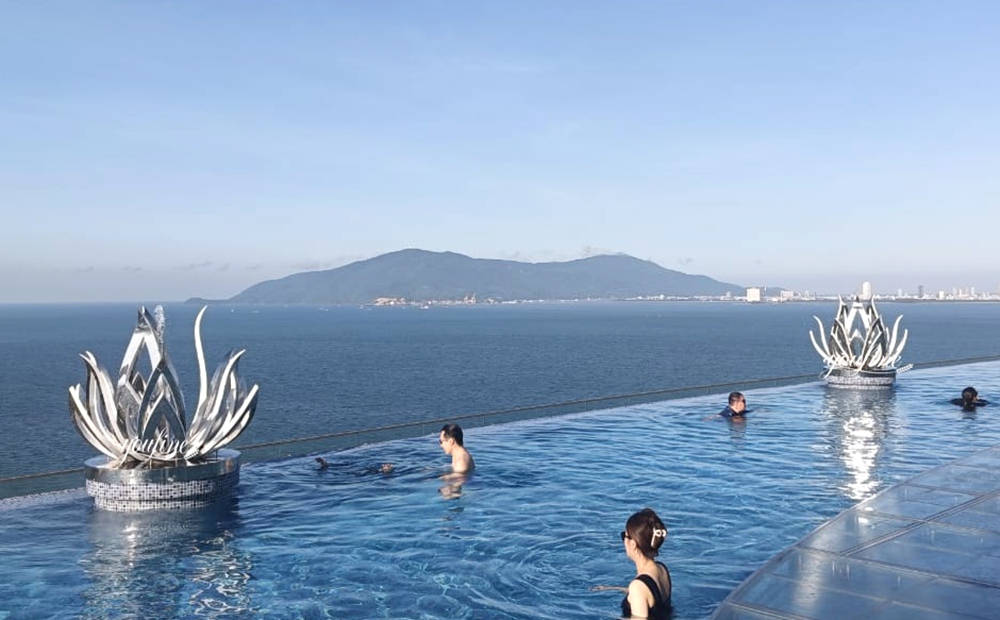
A stylish and exquisite stainless steel lotus fountain
To combine both aesthetic appeal and lasting durability, we customized a stainless steel lotus sculpture for our client.
Our Professional Advantages and Recommendations
As a professional sculpture manufacturer with years of experience, we deeply understand the unique value that every sculpture holds for our clients; therefore, we are dedicated to providing products and services of the highest quality.
For example, a client once planned to install a bronze sculpture outdoors and was concerned about its durability. After testing our sculpture for a year, they were impressed by the flawless results, thanks to our silica sol casting process and high-quality bronze with 85% copper content and a thickness of 5–8 millimeters. For coastal installations, we recommend 316L stainless steel, which resists corrosion from salty air, ensuring decades of beauty.
Premium Materials: A Solid Foundation for Your Sculpture
When selecting a sculpture, some people worry whether the materials will stand the test of time and the elements. For instance, clients wishing to place a sculpture by the seaside—where it faces the onslaught of sea breezes and salt spray—are typically advised to choose 316L stainless steel.
Exquisite Craftsmanship: Perfection in Every Detail
When a client requests a highly detailed animal sculpture, our artisans meticulously carve every strand of fur and every muscle contour based on the reference images or design sketches provided. The result is a lifelike masterpiece that leaves the client thoroughly delighted.
Personalized Customization: Fulfilling Your Unique Vision
Many people aspire to own a sculpture that is truly their own—a unique, exclusive piece. For example, a client might wish to incorporate specific cultural elements or a distinct design aesthetic into their sculpture; in such cases, our design team works in close collaboration with the client to fully understand their vision and offer expert recommendations. Whether the requirements involve specific dimensions, unique forms, or specialized surface finishes, we provide bespoke solutions tailored to each client’s needs, ensuring that every finished piece is truly one of a kind.
Global Service and Support: Art Without Borders
Every people has unique requirements. For those who wish to have their sculpture delivered directly to their home and professionally installed, we collaborate with local teams to provide comprehensive door-to-door delivery and installation services. Additionally, we provide clients with detailed maintenance guidelines, ensuring that their sculpture remains as pristine as the day it was created—even years down the line.

Our Director, Dora, places a strong emphasis on quality and has personally supervised the production of numerous sculptures built to stand the test of time.
How to Extend the Lifespan of Your Sculpture
Proper care and maintenance are essential for ensuring your sculpture lasts as long as possible. Here are some tips:
Regular Cleaning: Use appropriate cleaning solutions for the material. For example, bronze sculptures can be cleaned with mild soap and water.
Protective Coatings: Apply wax or sealants to protect against corrosion, UV damage, and moisture.
Environmental Protection: Place sculptures in locations that minimize exposure to extreme weather conditions.
Professional Restoration: Address cracks, discoloration, or damage promptly with the help of experts.
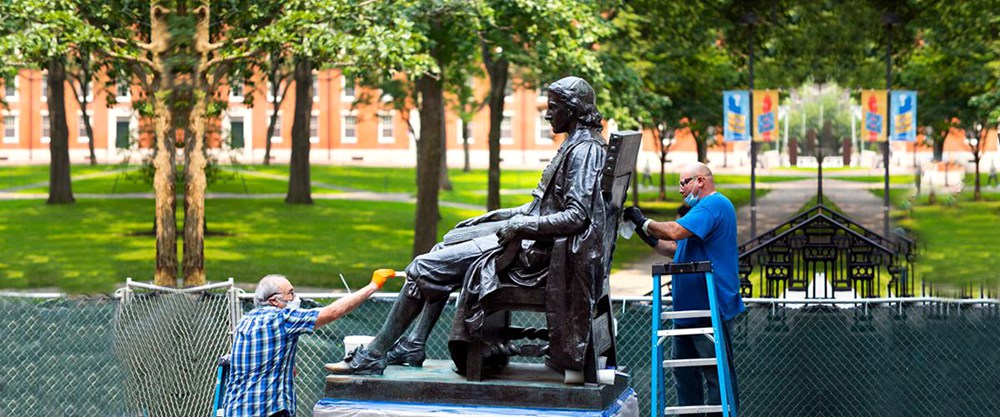
Professional Clean Bronze Statues
Historical Examples: Sculptures That Have Stood the Test of Time
The durability of sculptures is best exemplified by historical masterpieces that have endured for centuries:
Michelangelo’s David (Marble): Created in 1504, this masterpiece has been preserved for over 500 years through careful maintenance and restoration.
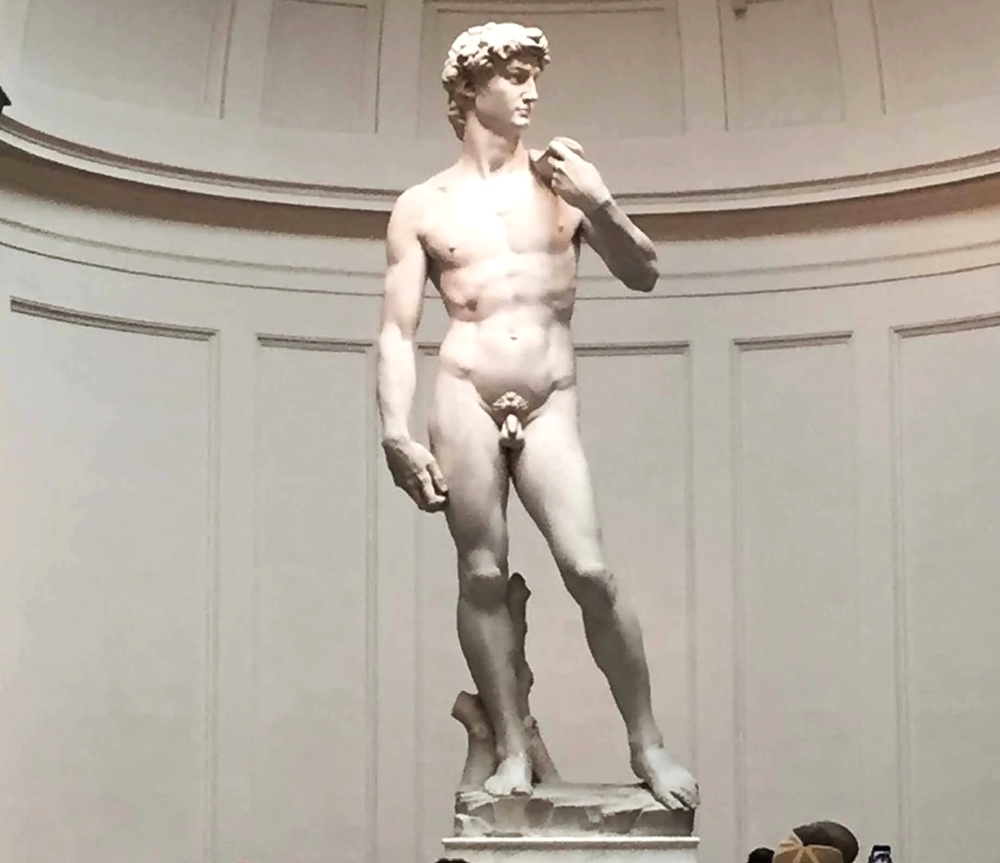
Michelangelo’s David (Marble) over 500 Years
Bronze Statues of Ancient Greece: Many bronze sculptures from ancient Greece still exist today, thanks to the material’s corrosion-resistant properties.
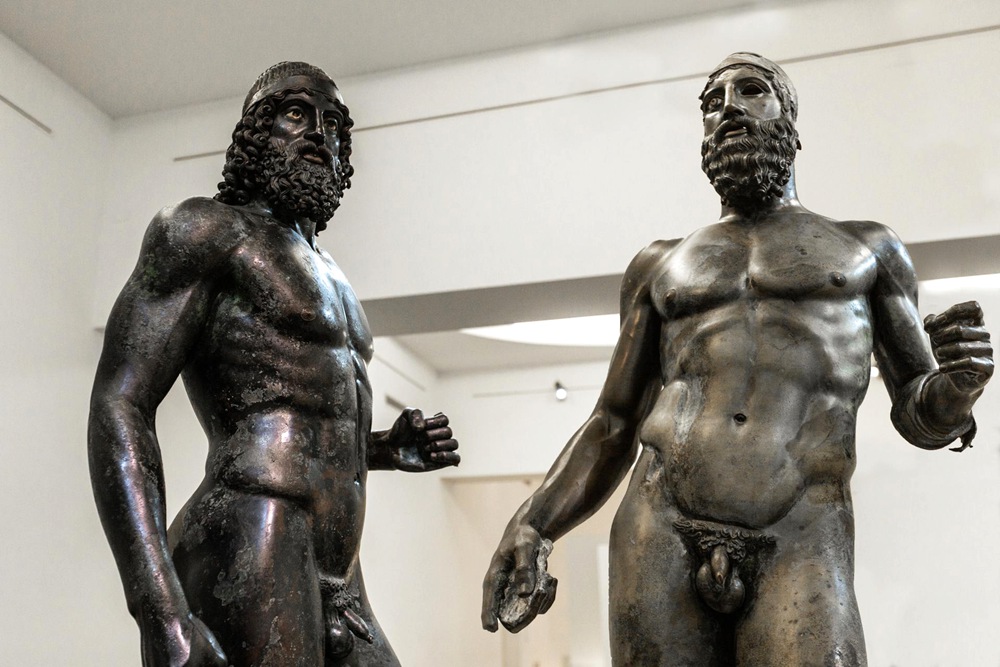
Bronze Riace Statues of Ancient Greece over 2000 Years
Cloud Gate (Stainless Steel): Installed in 2006, this iconic sculpture in Chicago’s Millennium Park is crafted from polished stainless steel. Designed to withstand Chicago’s harsh weather conditions, including extreme winters and scorching summers, it remains a pristine and enduring masterpiece of contemporary sculpture.
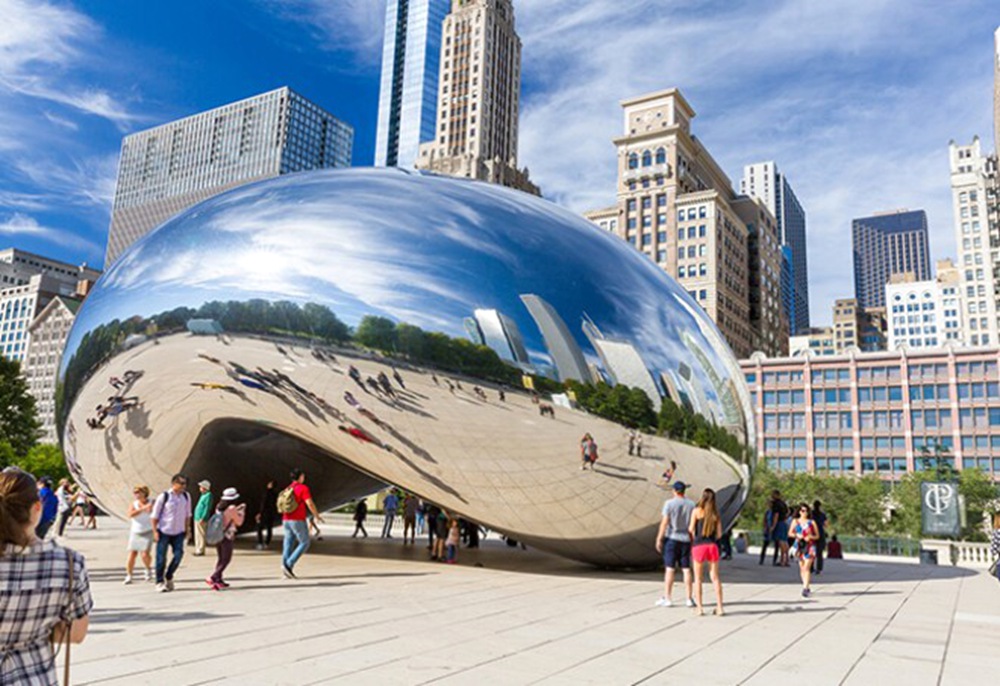
Cloud Gate (Stainless Steel) over 20 Years
For more information on maintaining outdoor bronze sculptures, check out The Ultimate Guide to Bronze Statue Care and Cleaning.
Conclusion
The lifespan of a sculpture depends on its material, environment, and maintenance. Durable materials like bronze and marble can last for centuries, while proper care can further extend their life. By carefully selecting the right material for your needs, considering placement and budget, and committing to regular maintenance, you can ensure your sculpture remains a timeless treasure.
Customer Feedback on the Longevity of Our Sculptures
The longevity of our sculptures is not just a promise but a proven reality, as shared by our satisfied clients. Here are some examples of their feedback:
The Fearless Girl Statue After the Blizzard
This is feedback we received from a client: even after a blizzard, the “Fearless Girl” sculpture stood firm in their yard—a powerful testament to the very spirit it embodies—courage and fearlessness—and a true reflection of the high quality of our bronze figure sculptures.
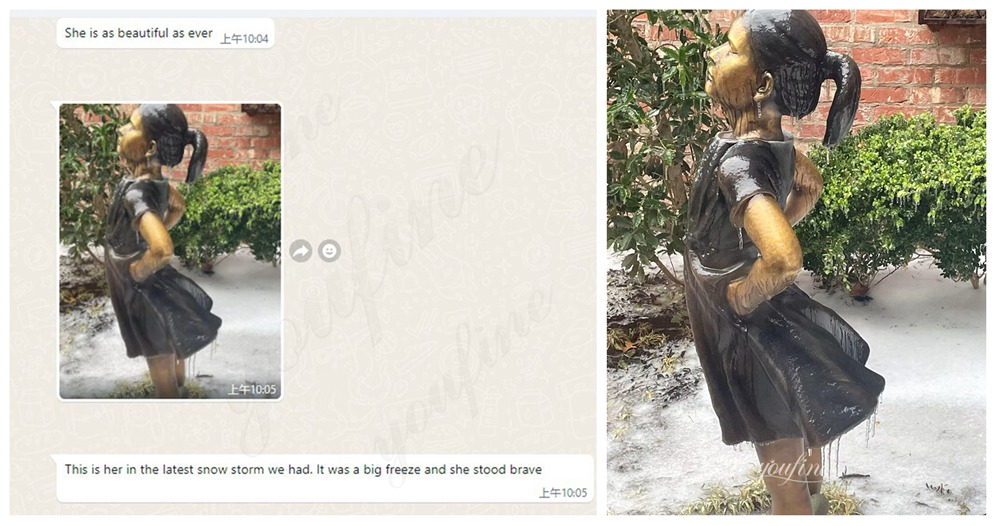
The Fearless Girl Statue After the Blizzard
Bronze Face Sculpture with Patina
A bronze sculpture with an antique finish, created for a client 20 years ago, has developed a beautiful natural patina over time. Despite being exposed to years of wind and rain, the sculpture remains a timeless piece of art, showcasing the durability and charm of high-quality bronze.
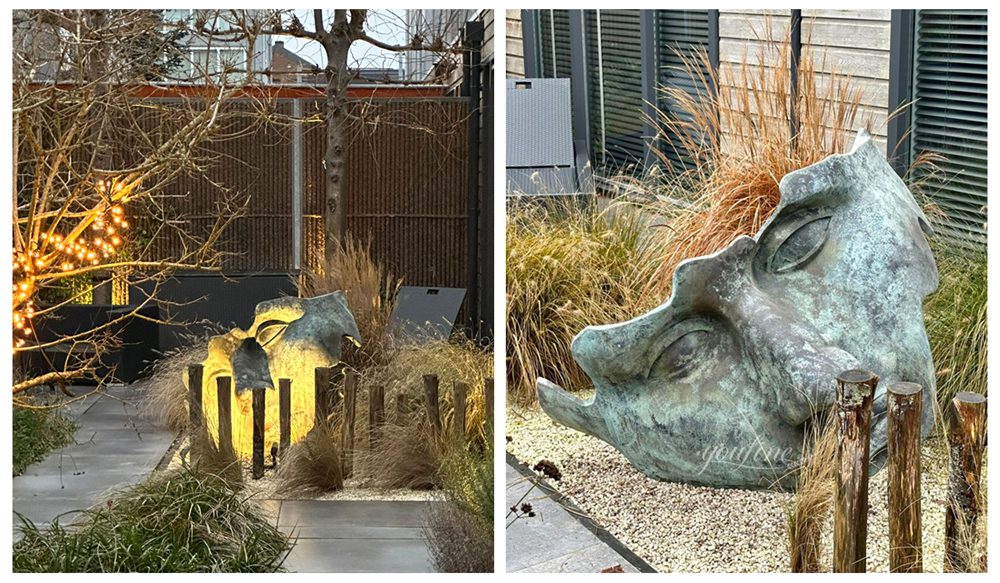
Bronze Face Sculpture with Patina Feedback from a Dutch Client over 20 Years
Stainless Steel Diver Sculpture by the Pool
Another client placed a 316L stainless steel sculpture near their pool. After 10 years, the sculpture still looks as striking as the day it was installed.
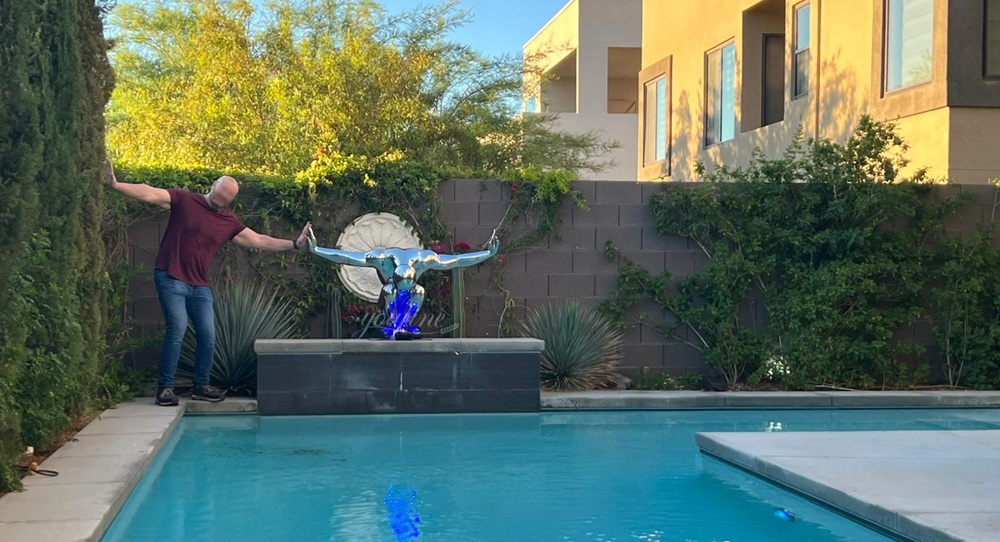
Feedback from a U.S. Client on the Stainless Steel Diver Sculpture over 10 Years
At YouFine Art Sculpture, we specialize in creating high-quality, durable sculptures tailored to your needs. Whether you’re looking for a bronze statue for your garden, a custom marble piece for your home, or perhaps you wish to create a stylish stainless steel sculpture for a modern shopping mall. We ensure every piece meets your expectations. Our advanced techniques, such as silica sol technology for bronze and the use of 316L stainless steel for coastal sculptures, guarantee durability and beauty.
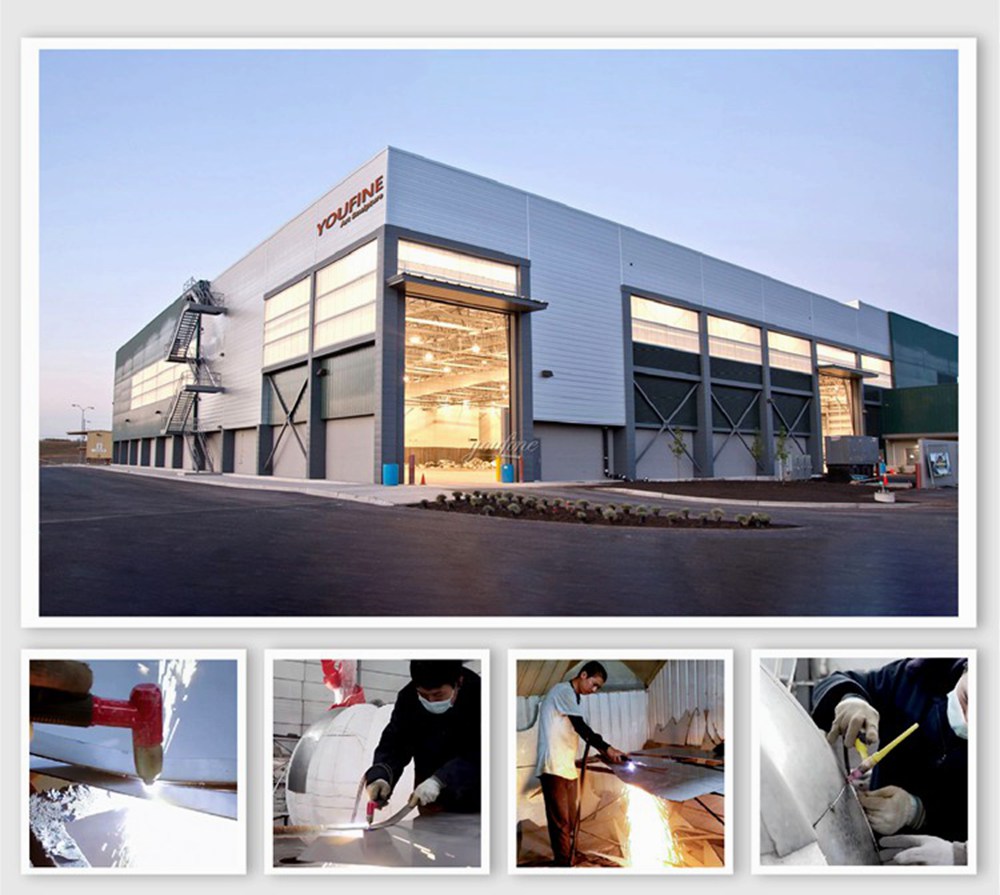
YouFine Art Sculpture Factory provide our clients with comprehensive, one-stop sculpture services
Whether you’re looking for a sculpture to adorn your garden, a public space, or a private collection, we provide tailored solutions to meet your unique requirements. Our team is here to help. Contact us today to discuss your project and invest in a sculpture that will stand the test of time.