

Sculptures can be made from many materials, including marble, bronze, stainless steel, wood, clay, Corten steel, fiberglass, resin, aluminum, ceramics, and glass. Each material has different characteristics in terms of appearance, fabrication method, durability, weight, maintenance, and typical applications.
The most suitable material depends on factors such as the type of sculpture, artistic style, intended location, required size, production method, expected lifespan, and budget.
This comprehensive guide examines the most commonly used sculpture materials, explaining their characteristics, production methods, typical applications, advantages, and limitations. It helps artists, architects, collectors, designers, and buyers understand how different materials influence a sculpture’s appearance, construction, durability, and cost.
If you are looking for a quick overview instead of a detailed material analysis, you can also explore our guide to the 5 most common materials used in sculpture, which introduces the most popular sculpture materials for beginners and general buyers.
The guide covers both traditional and modern sculpture materials, from carved stone and cast bronze to fabricated metals, composites, ceramics, and glass.
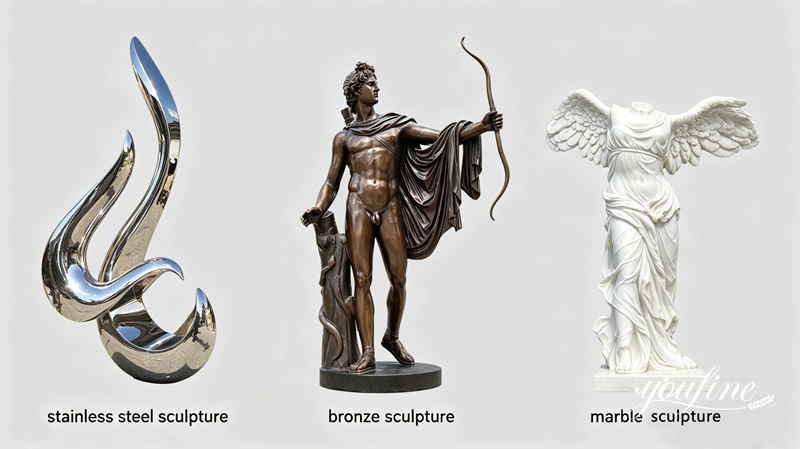
Quick Overview of Sculpture Material List
Each material offers a unique combination of aesthetics, durability, and cost, making them suitable for different applications and environments.
| Material | Category | Aesthetic Characteristics | Durability | Ideal Applications |
|---|---|---|---|---|
| Marble / Stone | Traditional | Elegant and timeless | Highly durable | Churches, villas, memorials |
| Bronze | Traditional | Classic and prestigious | Exceptionally durable | Monuments and public art |
| Wood | Traditional | Warm and organic | Moderately durable | Religious and interior sculptures |
| Stainless Steel | Modern | Sleek and contemporary | Extremely durable | Urban and commercial projects |
| Corten Steel | Modern | Rustic and industrial | Highly durable | Outdoor landscapes |
| Fiberglass / Resin | Modern | Versatile and colorful | Moderately durable | Commercial installations |
| Aluminum | Modern | Lightweight and modern | Durable | Public art and architecture |
| Clay | Foundational | Natural and malleable | Low durability | Models and ceramics |
| Ceramics and Glass | Niche | Decorative and refined | Moderately durable | Interior décor |
| Acrylic | Niche | Translucent and innovative | Moderately durable | Contemporary installations |
Note: If you’re choosing a material, first filter by Best Environment (indoor vs. outdoor), then by Relative Cost, then by Aesthetic Style. The detailed sections below provide a comprehensive explanation of each material.
In general, marble and bronze are preferred for high-end and long-lasting projects, while stainless steel and Corten steel are ideal for modern outdoor environments. Fiberglass and resin offer cost-effective solutions for large-scale decorative applications.
Traditional Materials Used in Sculpture
These materials embody the heritage of millennia-old sculptural art, possessing a substantial texture and high durability.
They are the preferred choice for high-end and commemorative sculptures, and still hold an important position in the industry today.
1. Marble / Stone — Classic Elegance
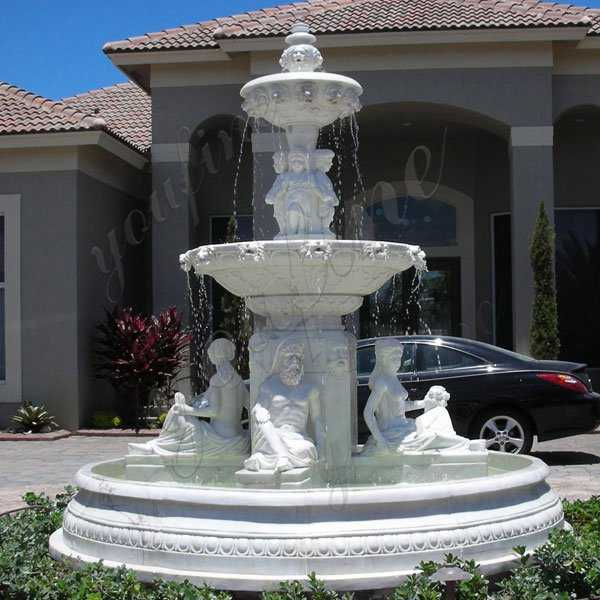
Natural stones—such as marble, granite, and sandstone—serve as the quintessential materials for both commemorative and decorative sculptures. Their inherent textures and mellow tactile qualities endow the marble sculptures with an innate sense of luxury and elegance.
Key Features:
- Marble allows light to penetrate slightly, giving sculptures a warm, lifelike glow
- Available in a wide range of colors and vein patterns, and its soft coloration makes it ideal for intricate carving.
- Italian Carrara marble is the world’s most renowned variety, used by Michelangelo and Roman sculptors
- Other stones used: granite, sandstone, limestone, alabaster
| ✓ Pros | ✗ Cons |
|---|---|
| Timeless, classic beauty | heavy and difficult to transport |
| natural textures that cannot be replicated | Vulnerable to acid rain and staining outdoors |
| Excellent for indoor & Outdoor display, marble can endure outdoors for 100 to 300 years | Certain types of stone (such as marble) are unsuitable for high-salinity coastal environments. |
| High prestige value | Requires skilled carving — labor-intensive |
Best For: Indoor sculptures, museum pieces, luxury home décor, religious sculptures, and memorial headstones.
Famous examples include David by Michelangelo, Venus de Milo, and Pietà by Michelangelo.
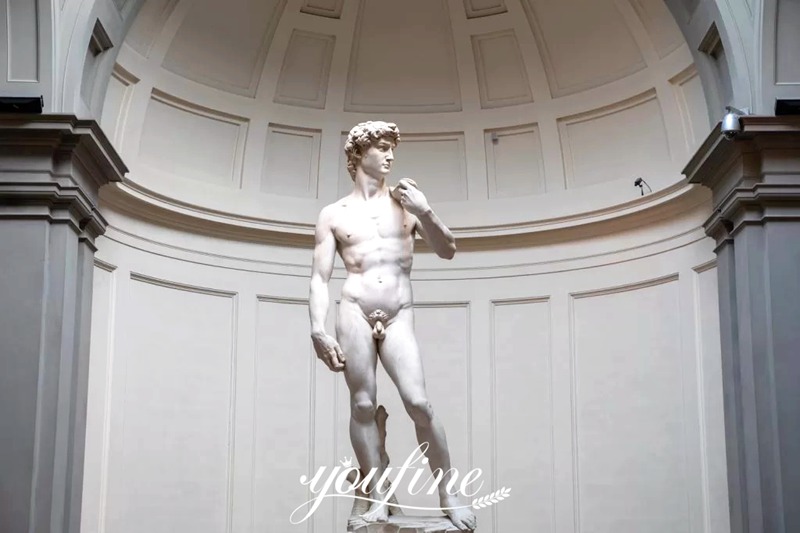
The famous David Sculpture Made of Natural Marble
2. Bronze — The Timeless Classic
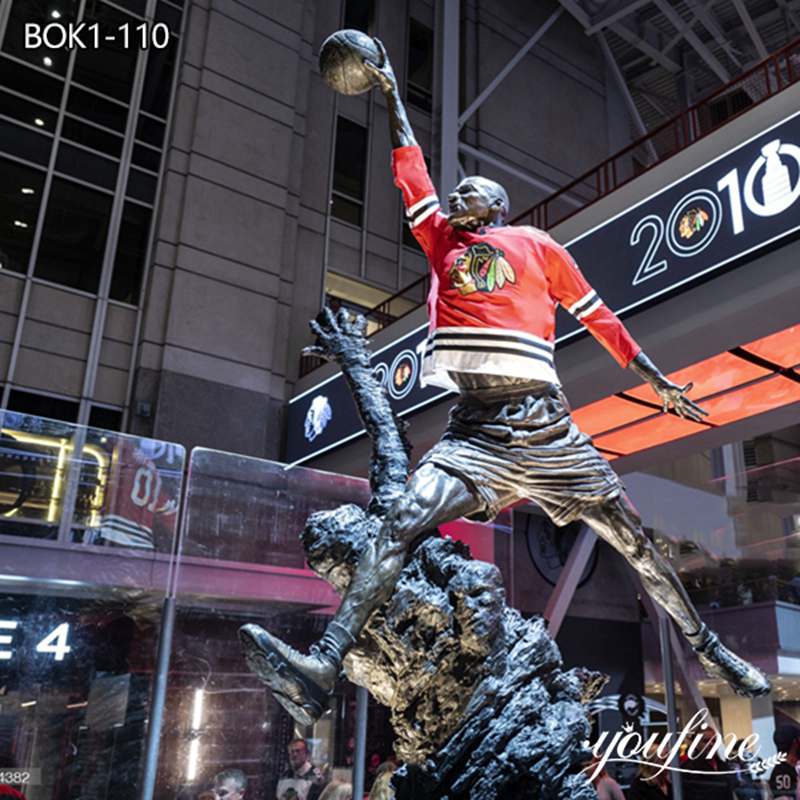
Bronze can be considered the most historically significant and widely utilized sculptural material in the world. The history of bronze sculpture spans over five millennia. To this day, it remains one of the preferred materials for artists, collectors, and commissioners of public art.
Key Features:
- Over time, it develops a natural bronze patina, adding a unique charm and depth of character.
- Crafted using the lost-wax casting method, allowing for the rendering of details with exceptional precision.
- Characterized by its hardness and high tensile strength, it is highly resistant to deformation and corrosion; capable of enduring outdoors for over 500 years, it stands as one of the most durable materials available for sculpture.
| ✓ Pros | ✗ Cons |
|---|---|
| Extremely durable outdoors | Higher cost than most materials |
| Rich, warm aesthetic | Heavy — difficult to transport |
| capable of precisely rendering the intricate details and textures of both human figures and animals. | Requires occasional waxing/polishing |
| High resale & collector value | The casting process is complex and time-consuming |
Best For: Public monuments, memorial sculptures, garden centerpieces, collector pieces, and religious sculptures.
Famous Examples: The Thinker by Auguste Rodin, David by Donatello, The Little Mermaid by Edvard Eriksen.


Famous Rodin’s Thinker Sculpture Made of Bronze
3. Wood
Wood is the most naturally evocative of sculptural materials; imbued with the warmth and understated elegance of art, it occupies a truly unique position. The sculpture in wood offers an organic aesthetic that no synthetic material can fully replicate.
Key Features: Possessing a natural grain and a warm, smooth tactile quality, it can be carved and polished to reveal a delicate texture and soft luster; lightweight and easy to work with, it is ideally suited for intricate carving.
| ✓ Pros | ✗ Cons |
|---|---|
| Rich in natural character | Suitable for indoor use or sheltered environments. Unsuitable for long-term outdoor placement |
| Moderate costs and short carving lead times | Prone to cracking and deformation; requires regular painting and maintenance. |
Best For: Indoor sculptures, gallery art, traditional/cultural sculptures
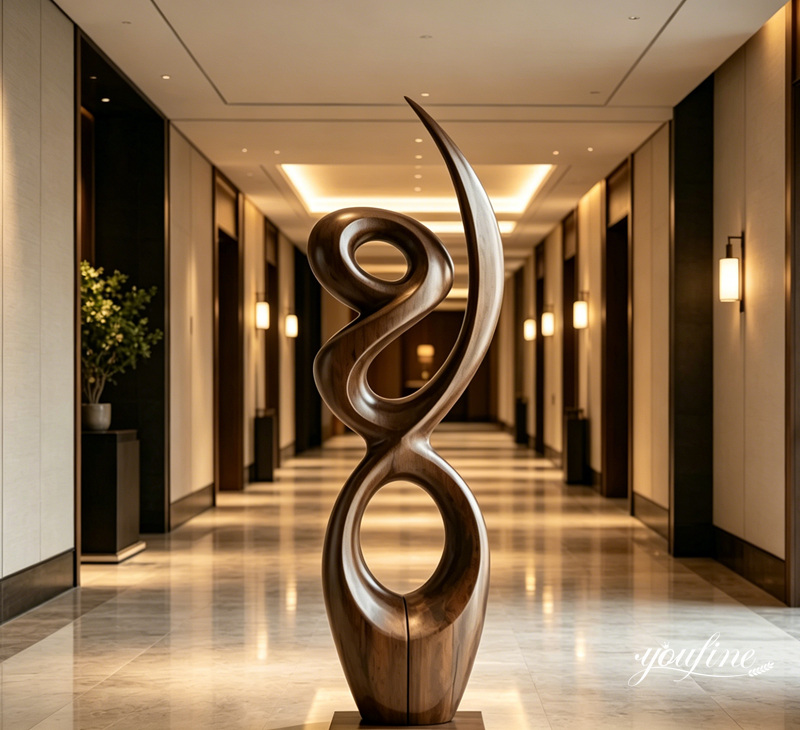
Wood Sculpture
4. Clay
Clay serves as both a primary sculptural medium and a foundational material.
Key Features:
- Easy to shape
- Comes in many colors
- Can be hardened in a standard oven
| ✓ Pros | ✗ Cons |
|---|---|
| Extremely easy to shape and modify | Fragile before firing |
| Ideal for capturing fine detail | Air-dry clay is not weatherproof |
| Great for creating original models for bronze casting | Limited scale — not suitable for large monumental work |
Due to its convenience, clay is widely used in the creation of small sculptures, decorative objects, and character models.
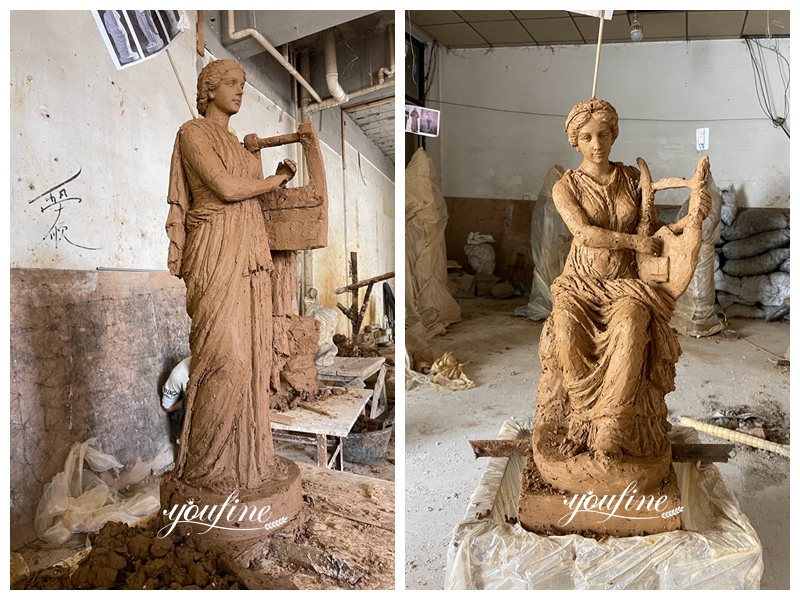
Clay Model Sculpture
Modern Mainstream Materials — Adaptable to Diverse Settings
With advancements in craftsmanship, modern sculptural materials are increasingly designed to balance both practicality and aesthetic appeal. By combining durability, cost-effectiveness, and a contemporary visual style, they have become a preferred choice for commercial spaces, outdoor landscapes, and large-scale custom projects—perfectly meeting the evolving needs of modern design.
5. Stainless Steel — Modern & Low Maintenance
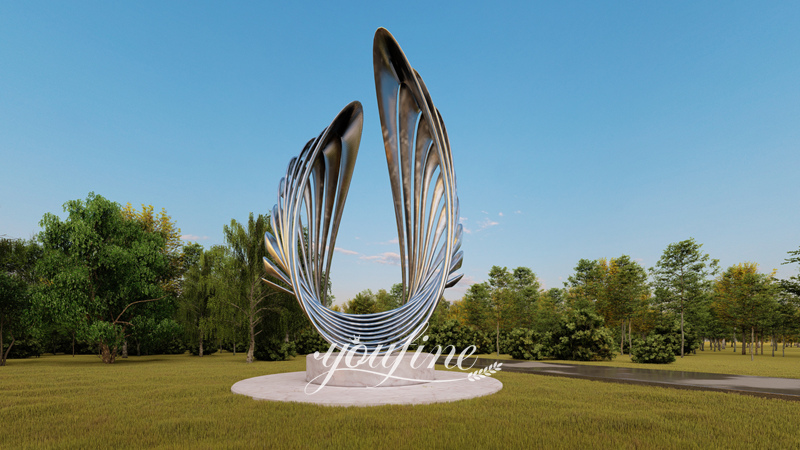
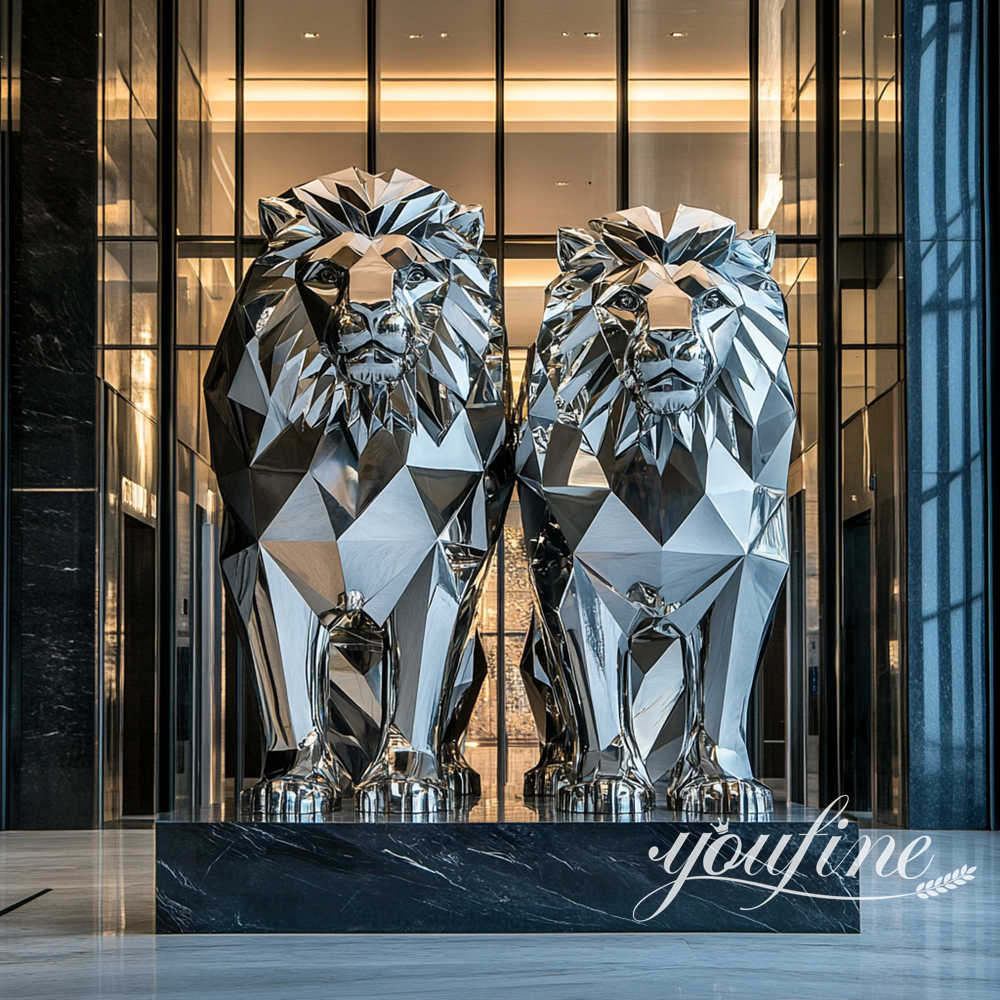
Stainless steel has become the dominant material for contemporary and large-scale public sculpture. Its sleek, reflective surface and exceptional durability make stainless steel sculpture a favorite for modern art installations and commercial spaces.
Key Features:
Smooth Surface: Can be finished using processes such as mirror polishing, brushing, sandblasting, and plating to achieve a variety of effects—including mirror-like, matte, and colored finishes.
- Exceptional Durability: Possesses superior rust and corrosion resistance, along with excellent weatherability, making it suitable for diverse environments, including outdoor and coastal settings.
- Marine-Grade Stainless Steel: Effectively resists corrosion even in saltwater environments.
- High Design Flexibility: Can be welded, bent, and machined to create complex shapes and intricate designs.
| ✓ Pros | ✗ Cons |
|---|---|
| Does not easy to rust or corrode, capable of enduring outdoors for over 100 years | Cold, industrial aesthetic (not for everyone) |
| Easy to clean and maintenance-free, | Higher fabrication cost for complex forms |
| Ideal for coastal/humid environments | Reflective surface shows fingerprints |
| High degree of design flexibility Modern, bold, and dynamic visual impact |
The surface has marks from bumps or impacts Repairs can be challenging. |
Suitable Applications: Geometric sculptures, abstract sculptures, large-scale outdoor landscapes, modern villa courtyards, commercial plazas, coastal areas, and high-end brand flagship stores.
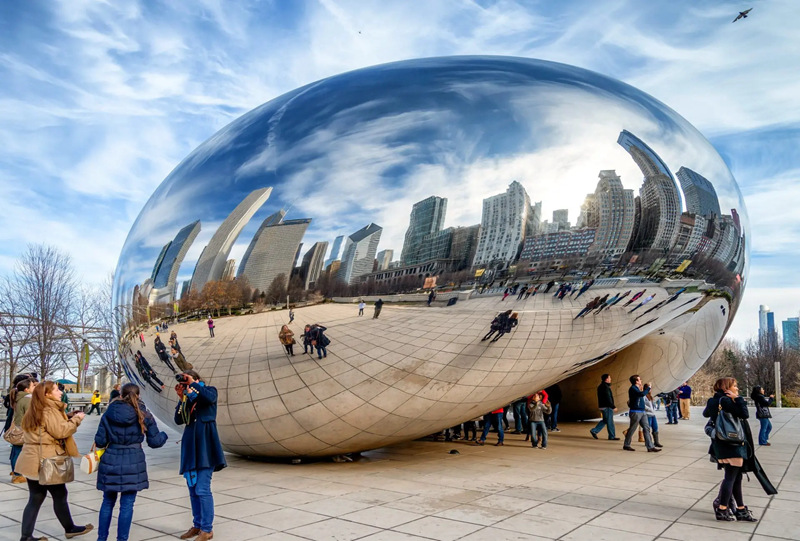
Famous Stainless Steel Cloud Gate Sculpture
6. Corten Steel
Weathering steel (also known as Corten steel) has emerged in recent years as a popular material for outdoor sculptures; thanks to its inherent rusted texture, it creates unique artistic effects that evoke both industrial and natural aesthetics. This material is highly favored by landscape designers and enthusiasts alike, and is frequently utilized for large-scale outdoor landmark installations.
Key Features:
- Its natural rust patina blends seamlessly with the outdoor environment—including lawns, rock formations, and greenery—creating an authentic, organic artistic atmosphere;
- It is maintenance-free and boasts a long service life, capable of enduring outdoors for over 80 years.
- It offers moderate costs, making it an ideal choice for large-scale outdoor sculptures.
| ✓ Pros | ✗ Cons |
|---|---|
| Develops a unique rust-like patina naturally | Surface rust can stain surrounding areas (pavement, walls) |
| Extremely durable and weather-resistant Low maintenance once patina stabilizes |
Not suitable for coastal/high-humidity environments |
| Self-protecting — patina acts as a barrier against further corrosion | Limited color options — only warm rust tones |
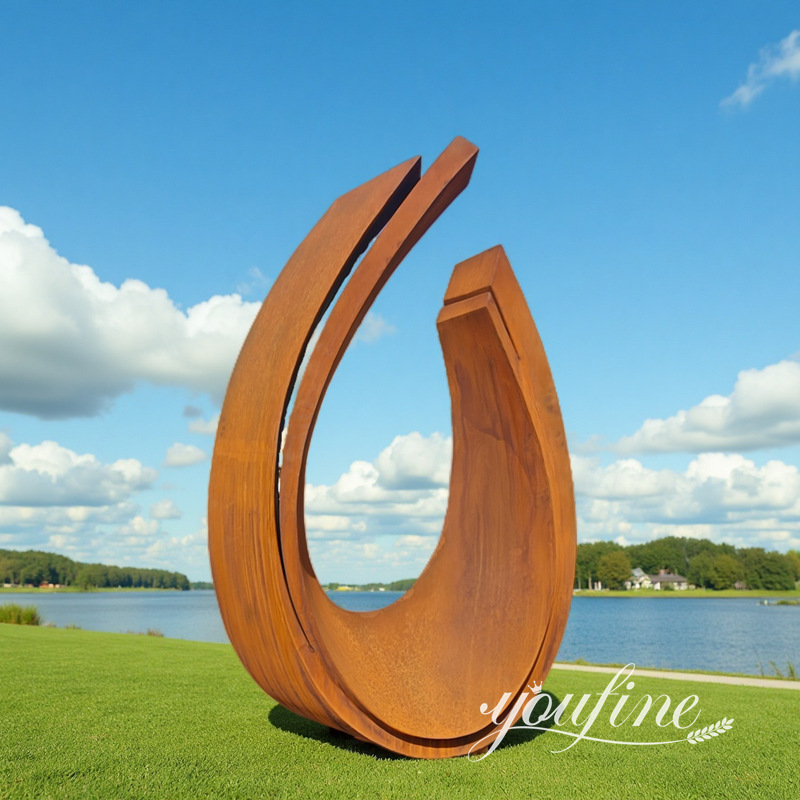
Corten Steel Abstract Sculpture
7. Fiberglass (FRP)/ Resin
Fiberglass (Resin ) is strong, lightweight, and often used for larger forms, props, and contemporary installations. It is especially useful when an artist wants a smooth finish or wants to make multiple versions of the same work.
Key Features:
- Lightweight and rich in color
- Suitable for mass production
- Simple to process and versatile in form
- ideal for cartoon and minimalist styles.
| ✓ Pros | ✗ Cons |
|---|---|
| Very lightweight for its size | Less fine detail than solid bronze |
| Extremely strong and impact-resistant | Surface can fade or chalk over time without UV coating |
| Can be finished to mimic stone, metal, or wood | Repairs can be visible if not done carefully |
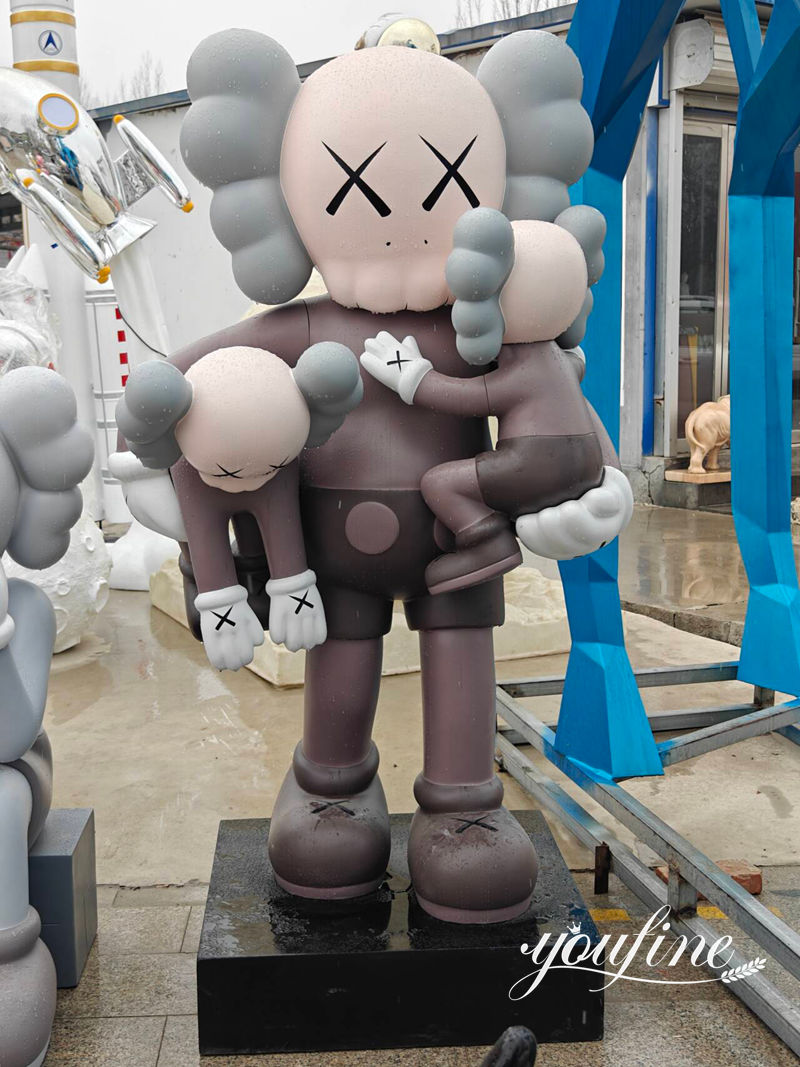
Fiberglass Fiberglass Cartoon Sculpture
8. Aluminum
Aluminum is lighter than many other metals and is sometimes used when artists want a metal look with less weight.
Key Features:
- Extremely lightweight—weighing only one-third as much as stainless steel—facilitating easy transport and installation
- Highly rust-resistant and weather-durable, capable of withstanding outdoor conditions for over 50 years
- The surface can undergo anodizing or spray-coating treatments to achieve a variety of colors and textures
| ✓ Pros | ✗ Cons |
|---|---|
| Very lightweight — easy to handle and install | Less strong than steel or bronze |
| Naturally corrosion-resistant | Can dent or deform under heavy impact |
| Cost-effective compared to other metal | Not ideal for fine detail casting |
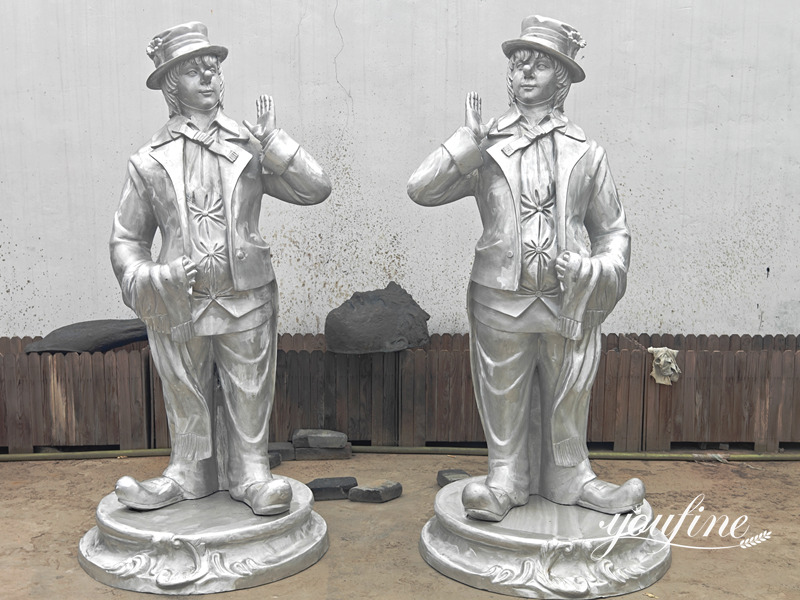
Lightweight Aluminum Sculpture
Distinctive, Niche Materials—Tailored to Individual Needs
9. Ceramics and Glass
Crafted from ceramics and colored glaze, these pieces boast exquisite materials and vibrant hues; thanks to their delicate textures and rich color palettes, they serve as a premier choice for small-scale art ornaments and interior décor, accentuating both artistic flair and refined elegance.
Key Features:
- Ceramics possess a fine texture, allowing for the creation of rich colors and intricate patterns through glazing and painting.
- Glass, conversely, is translucent and radiant—shimmering with flowing light and color—imparting a premium aesthetic and demonstrating exceptional artistic expressiveness.
| ✓ Pros | ✗ Cons |
|---|---|
| Wide range of glazes and surface finishes | High skill level required for glasswork |
| Weather-resistant when properly fired and glazed | Heavy and fragile during transport |
| Highly durable once fired | Brittle — can crack or shatter under impact |
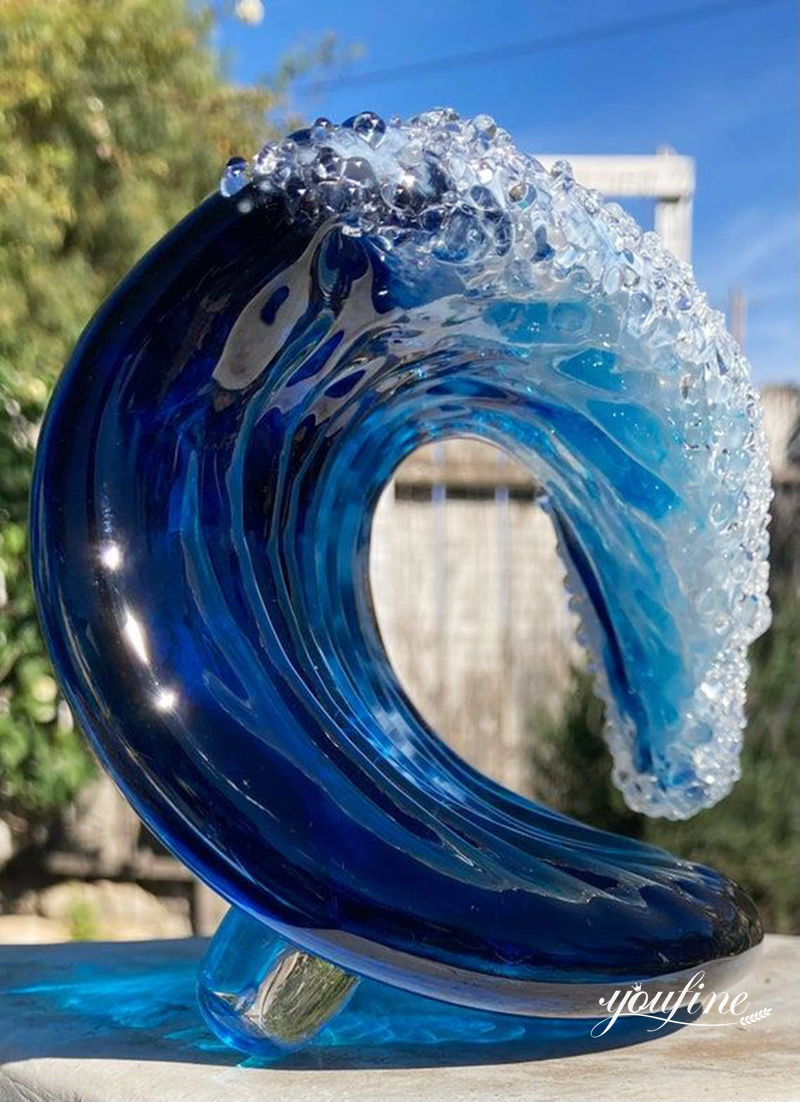
Glass Wave Sculpture
10. Acrylic
Acrylic—also known as organic glass—is a niche yet highly distinctive sculptural medium. Distinguished by its translucent quality, lightweight nature, and excellent malleability, it has become a preferred choice for contemporary light-and-shadow sculptures and interior décor, catering to niche aesthetics and individualized creative demands.
Key Features:
- Possesses a translucent texture capable of achieving a glass-like level of transparency, yet is lighter and more impact-resistant than glass.
- Colors are fully customizable, allowing for the creation of various styles—including transparent, translucent, and colored finishes—and can be paired with lighting to create a dynamic interplay of light and shadow.
- Easy to process and polish, it can be engraved and cut into a wide array of intricate shapes.
| ✓ Pros | ✗ Cons |
|---|---|
| Transparent or translucent — unique visual effects | Yellows and becomes brittle with prolonged UV exposure |
| Available in a wide range of colors | Not suitable for permanent outdoor use without UV treatment |
| Modern, striking aesthetic | Can crack or shatter under impact |
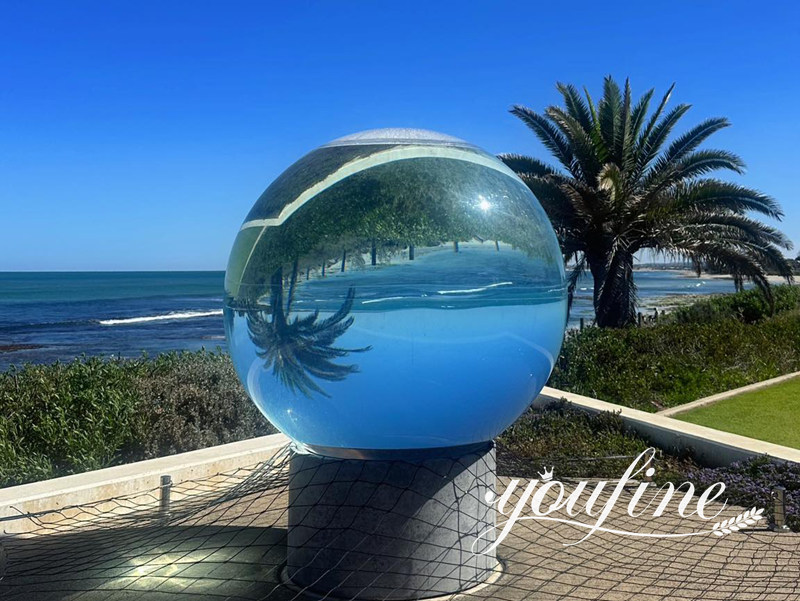
Acrylic Sphere Sculpture
Expert Insights: Factors to Consider When Choosing a Sculpture Material
Choosing the right material for a sculpture involves more than comparing appearance or price. The ideal material depends on the sculpture’s artistic style, size, installation environment, production method, expected lifespan, maintenance requirements, and budget.
Artistic style and appearance often start the conversation. Marble is widely associated with classical, religious, and figurative sculpture, while bronze offers detailed casting and a traditional appearance that works well for statues, monuments, and public art. Stainless steel is commonly selected for contemporary and abstract sculptures because it can be fabricated into complex forms and finished with mirror-polished, brushed, or colored surfaces.
Size and structural requirements should also influence material selection. Large sculptures may require internal steel structures, sectional fabrication, reinforced connections, or specialized installation methods. The material and construction method therefore need to be considered together, particularly for monumental outdoor sculptures.
Installation conditions are another important factor. Indoor sculptures generally face fewer environmental challenges, while outdoor installations may be exposed to rain, humidity, UV radiation, temperature changes, wind, or salt air. These conditions can affect the appropriate material, alloy, surface finish, and protective treatment.
Production method also varies by material. Marble is primarily carved, bronze is commonly produced through lost-wax casting, while stainless steel and Corten steel are typically cut, formed, welded, and finished. Understanding the manufacturing process helps determine which material is most practical for a particular design.
Finally, consider durability, maintenance, and total project cost. The material price is only one part of the investment; fabrication, finishing, structural engineering, packaging, transportation, and installation can also affect the final cost.
For outdoor projects, these factors require more detailed consideration because climate, site conditions, corrosion exposure, sculpture size, and long-term maintenance can significantly affect material selection. See our guide to Outdoor Sculpture Materials for a project-focused comparison of the most suitable materials.
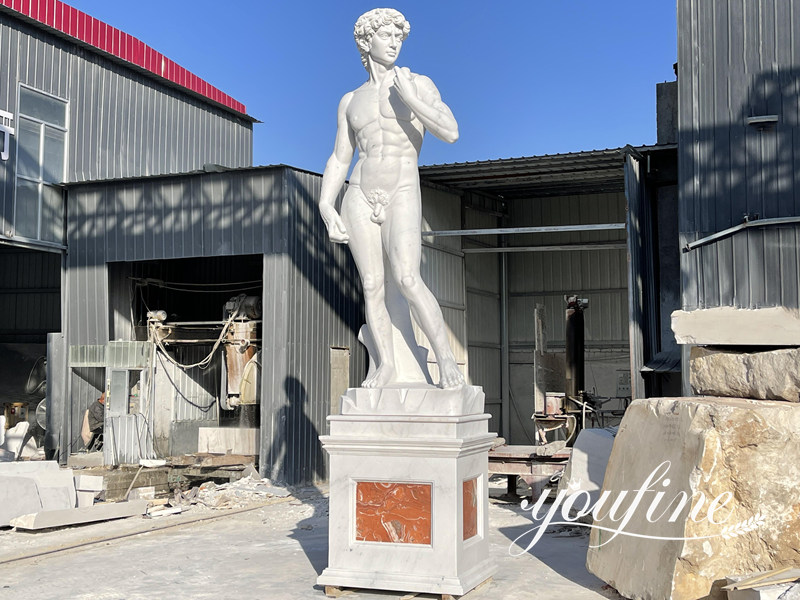
Large marble David sculpture replica
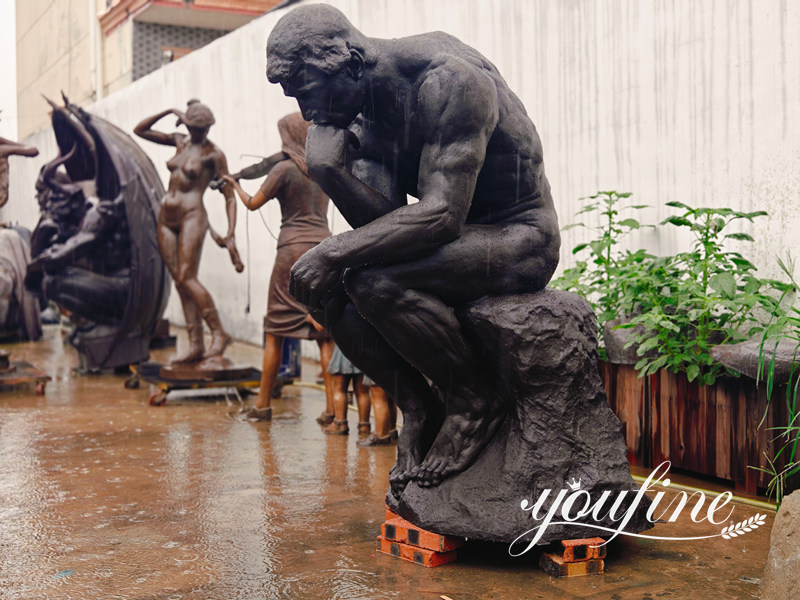
Bronze The Thinker Statue Replica
| Material | Key Advantages | Ideal Applications |
|---|---|---|
| Marble | Timeless elegance, intricate detailing, historical prestige | Classical statues, relief sculptures, churches, villas, and memorials |
| Bronze | Exceptional durability, rich patina, strong commemorative value | Monuments, public art, and historical sculptures |
| Stainless Steel | Modern aesthetics, superior corrosion resistance, minimal maintenance | Urban landmarks, commercial spaces, and contemporary outdoor sculptures |
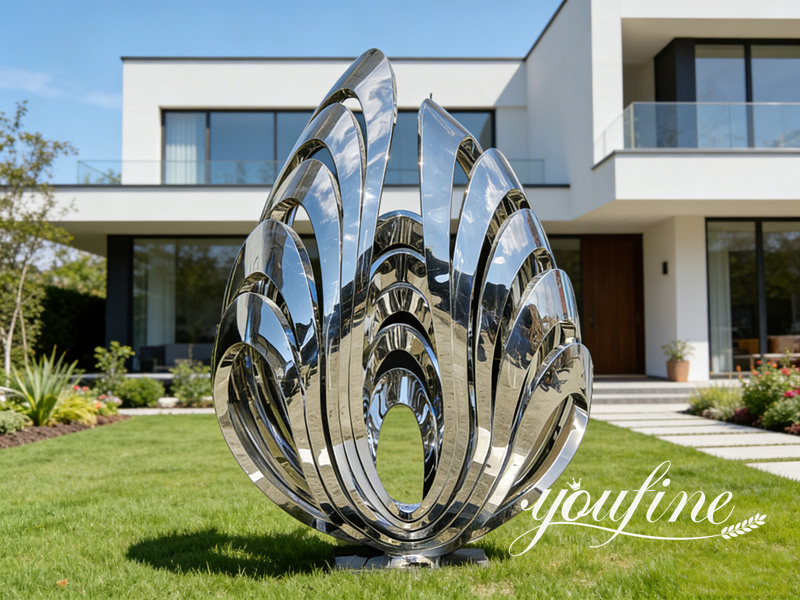
Modern Stainless Steel Sculpture
Quick Recommendations
Best for Outdoor Sculptures: Bronze, Stainless Steel, Granite, Corten Steel
Best for Modern Designs: Stainless Steel, Bronze, Fiberglass
Best for Classical Elegance: Marble and Bronze
Best for Large-Scale Installations: Stainless steel and Bronze
Best for Luxury Projects: Marble and Bronze
Best for Coastal Areas: Marine-Grade Stainless Steel
Frequently Asked Questions (FAQ)
1. What is the most durable material for sculpture?
Bronze, stainless steel, and natural stone are among the most durable materials used in sculpture.
2. Which material is best for outdoor sculptures?
Stainless steel, bronze, granite, and Corten steel are ideal due to their resistance to weather and corrosion.
3. What is a very popular material for sculptures and construction?
Marble is one of the most popular materials used in sculpture. Known for its timeless beauty, intricate carvings, and durability, marble has been the medium of choice for iconic statues, reliefs, and monuments throughout history. Famous works like Michelangelo’s David were crafted from marble, making it a symbol of classical artistry.
4. What are the four basic sculpture materials?
Stone, metal, wood, and clay are the four basic materials for sculpture. They have formed the foundation of sculpture throughout history, each offering unique qualities and artistic possibilities. Whether you’re creating a classical statue, a modern abstract piece, or something functional, these materials provide the essential options for sculptors.
Final Thought:
Sculpture materials influence far more than appearance. Marble, bronze, stainless steel, Corten steel, wood, composites, and other materials each have different characteristics, production requirements, durability, maintenance needs, and typical applications.
There is no single material that is ideal for every sculpture. The right choice involves balancing artistic goals with practical considerations such as form, scale, installation environment, fabrication method, durability, maintenance, and overall project requirements.
For outdoor projects, material selection requires additional consideration of climate, corrosion exposure, sculpture size, structural requirements, and maintenance. See our guide to Outdoor Sculpture Materials for a detailed project-focused comparison.
If you are planning a custom sculpture project, material selection is an important part of the design and production process. As a sculpture manufacturer, we produce custom bronze, stainless steel, marble, and stone sculptures in a range of sizes, finishes, and designs. For project-specific material recommendations, design assistance, or a quotation, contact our team to discuss your requirements.