


Bronze lions have long symbolized strength, authority, guardianship, and courage. In many cultures, lion sculptures go beyond artistic expression, representing deep cultural and historical significance.
The Symbolism of Lions in History and Culture
As an art form, lion sculpture occupies a significant place within cultures and histories across the globe. It serves not merely as a treasure of decorative art, but also as a vessel carrying the unique cultural connotations and symbolic meanings of various civilizations.
1. Ancient Civilizations: Power and Protection
- Ancient Egypt:
The Sphinx stands as the most iconic lion sculpture of Ancient Egypt, symbolizing the divine authority and protective power of the Pharaohs.
Lion sculptures were frequently positioned at the entrances of temples and tombs to guard the deities and the royal family.
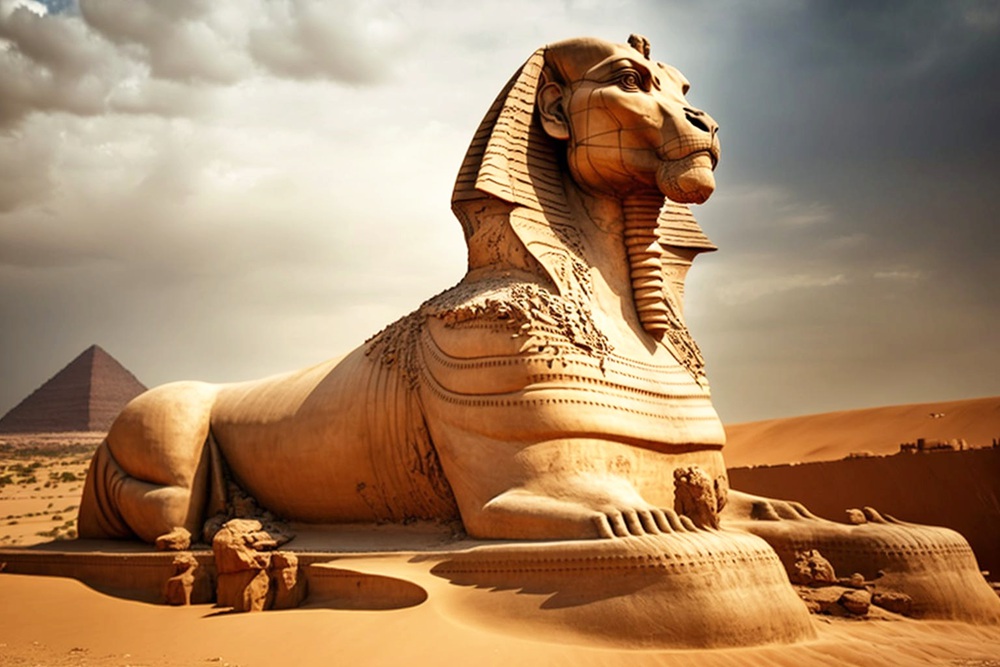
The Great Sphinx of Giza, Egypt
- Mesopotamia:
Lion sculptures were regarded as symbols of kingship and power, commonly featured in palaces, city gates, and temples.
The imagery of the lion was closely associated with the goddess Inanna (Ishtar), representing both warfare and protection.
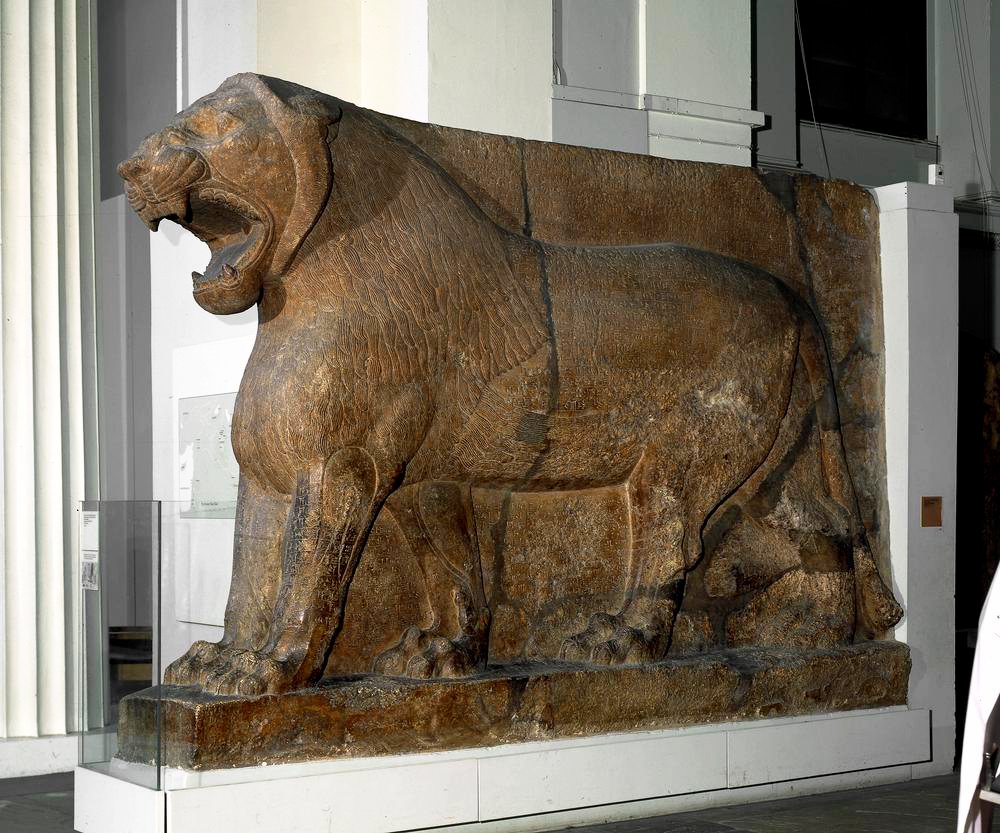
British Museum Assyrian Lion Sculpture
2. The Classical Era: Heroism and Glory
- Ancient Greece:
Lion sculptures symbolized fearlessness and heroism; the lion-skin cloak worn by Heracles served as a potent symbol of strength.
Lion imagery adorned temples, monuments, and military equipment, signifying victory and glory.
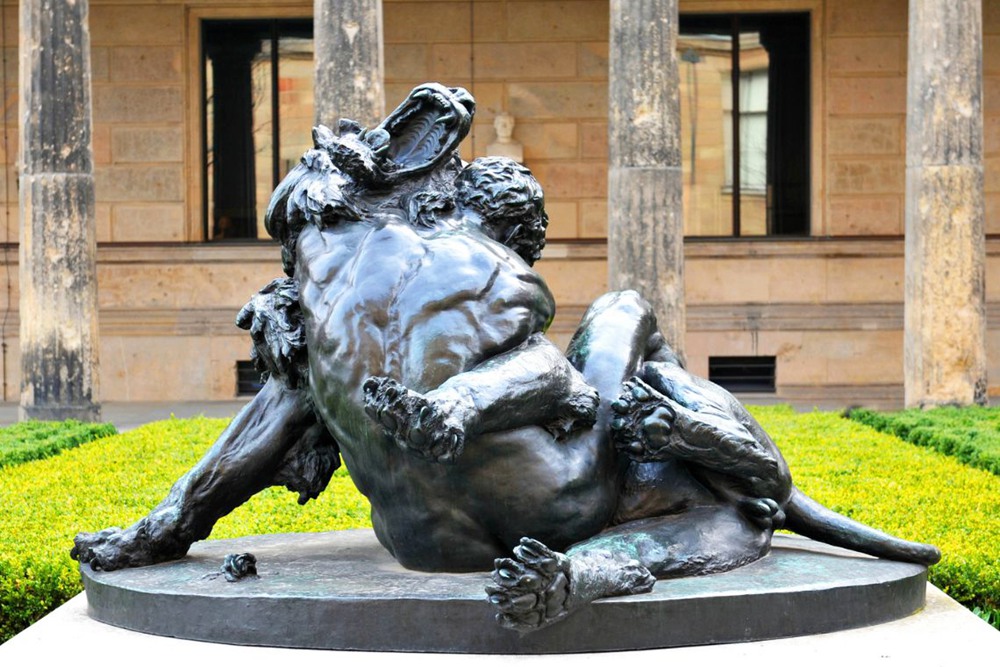
Sculpture depicting Hercules battling the Nemean Lion in Greek mythology
- Ancient Rome:
Lion sculptures frequently embellished triumphal arches and fountains, symbolizing the might and authority of the Empire.
On tombstones and commemorative monuments, lion sculptures represented reverence for the deceased and served as symbols of protection.
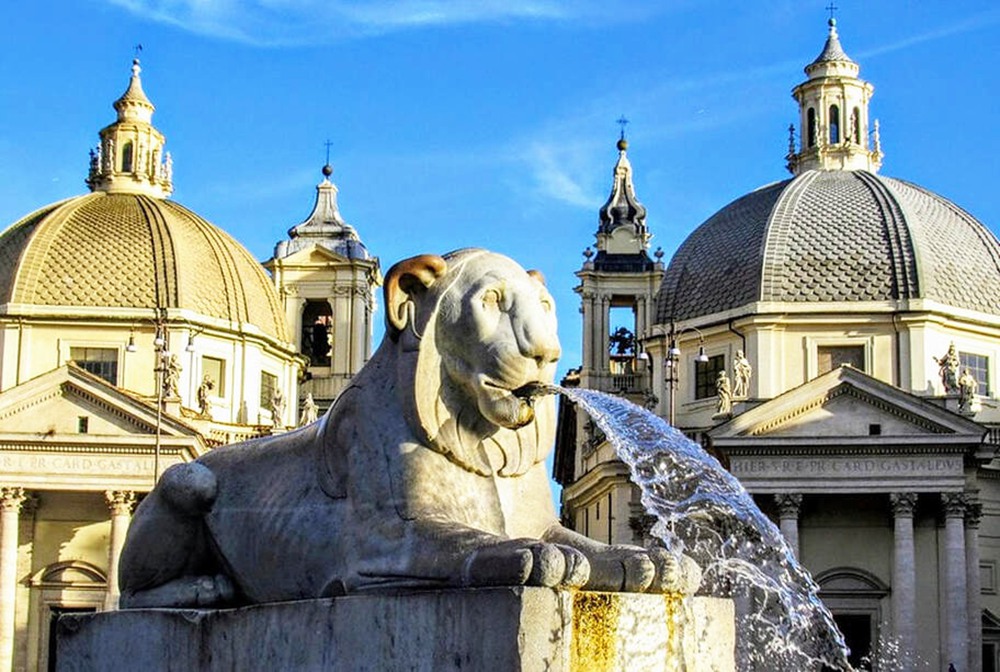
The Fountain of the Lions in Piazza del Popolo, Rome, Italy
3. The Medieval and Religious Eras: Loyalty and Faith
- Medieval Europe:
Lion sculptures served as symbols of chivalry, embodying courage, loyalty, and honor. Lion sculptures positioned at the entrances of castles and cathedrals acted as guardians, warding off evil.
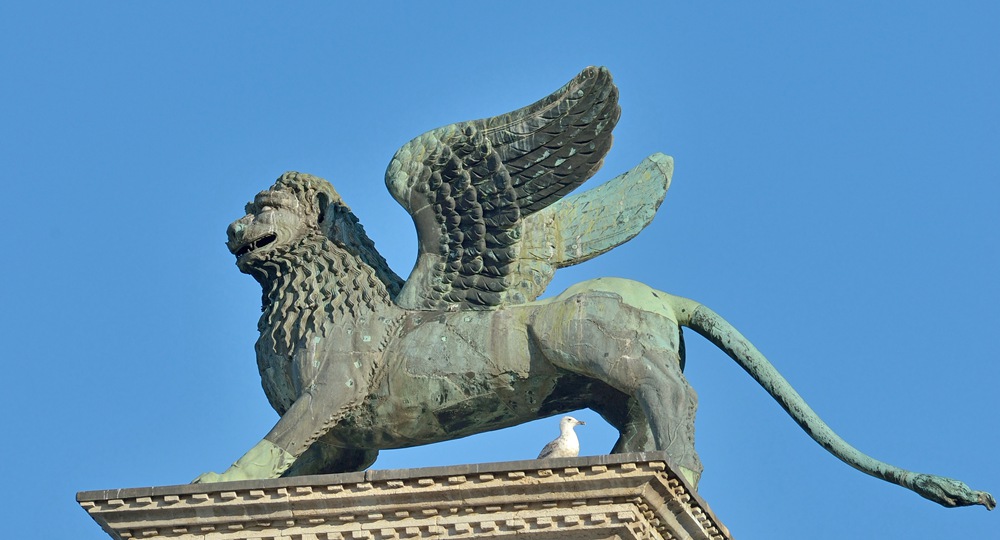
The Bronze Lion of Saint Mark in St. Mark’s Square, Venice, Italy
- Asian Religious Cultures:
In China, stone lions are significant symbols within both Buddhist and Confucian traditions; commonly found at temples, palaces, and private residences, they are believed to ward off evil spirits and provide protection.
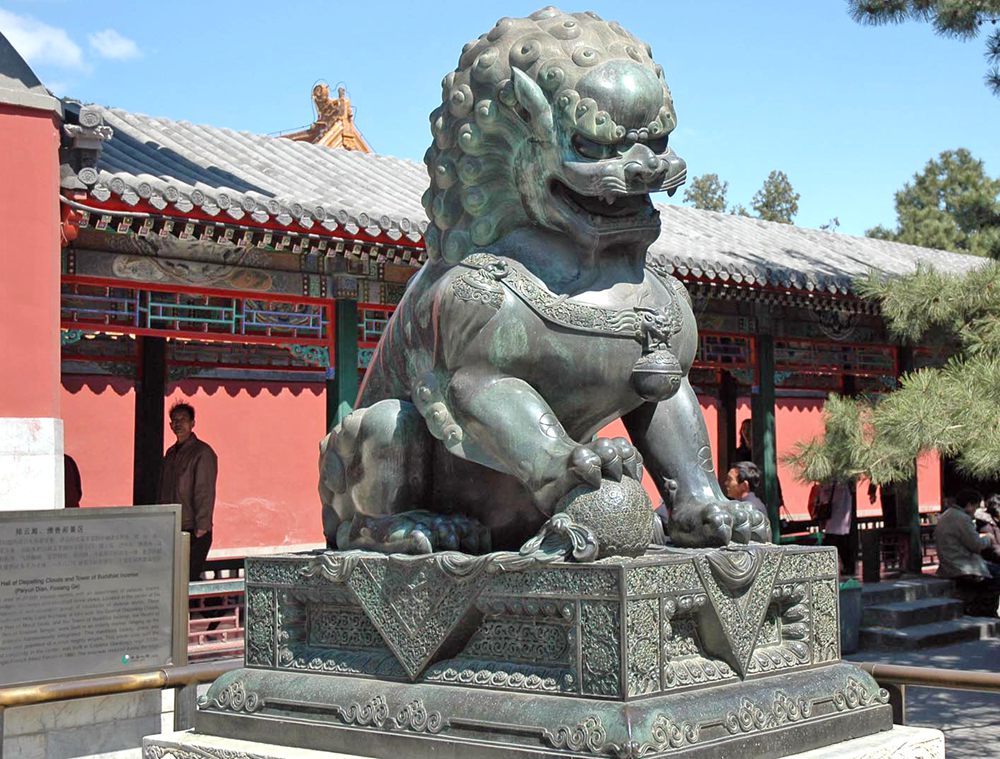
Large Lions at the Entrance of a Chinese-Style Courtyard
In India, lion sculptures are closely linked to Buddhism—most notably the lions atop the Pillars of Ashoka—symbolizing the propagation of the Dharma and the principles of justice.
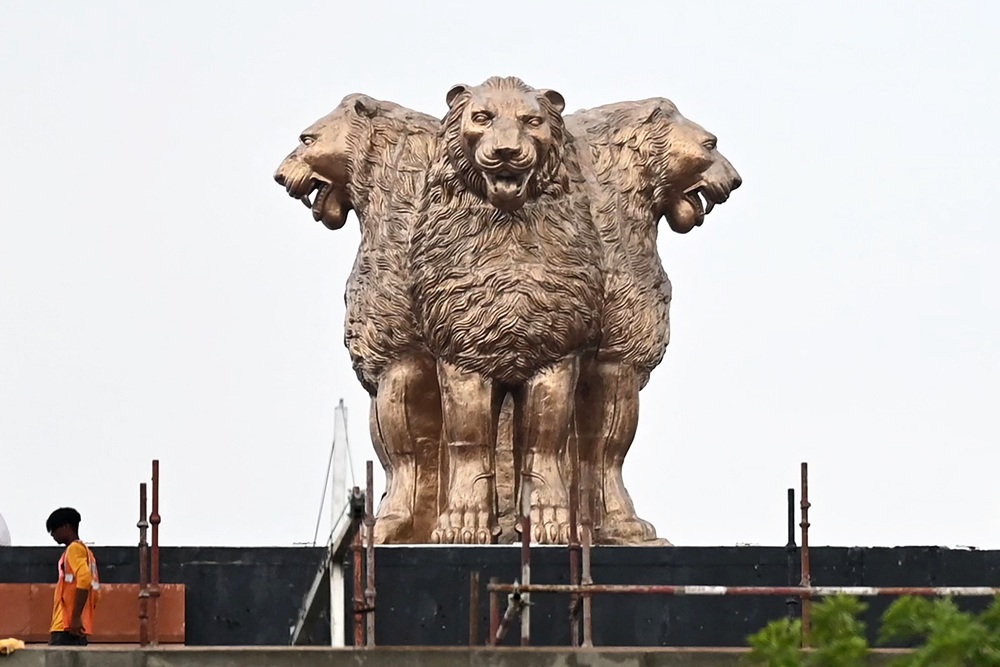
The bronze sculpture of four lions atop the Ashoka Pillar
In Japan, *Komainu* (guardian beasts resembling lions) are stationed at the entrances of Shinto shrines to repel malevolent spirits and safeguard the sacred grounds.
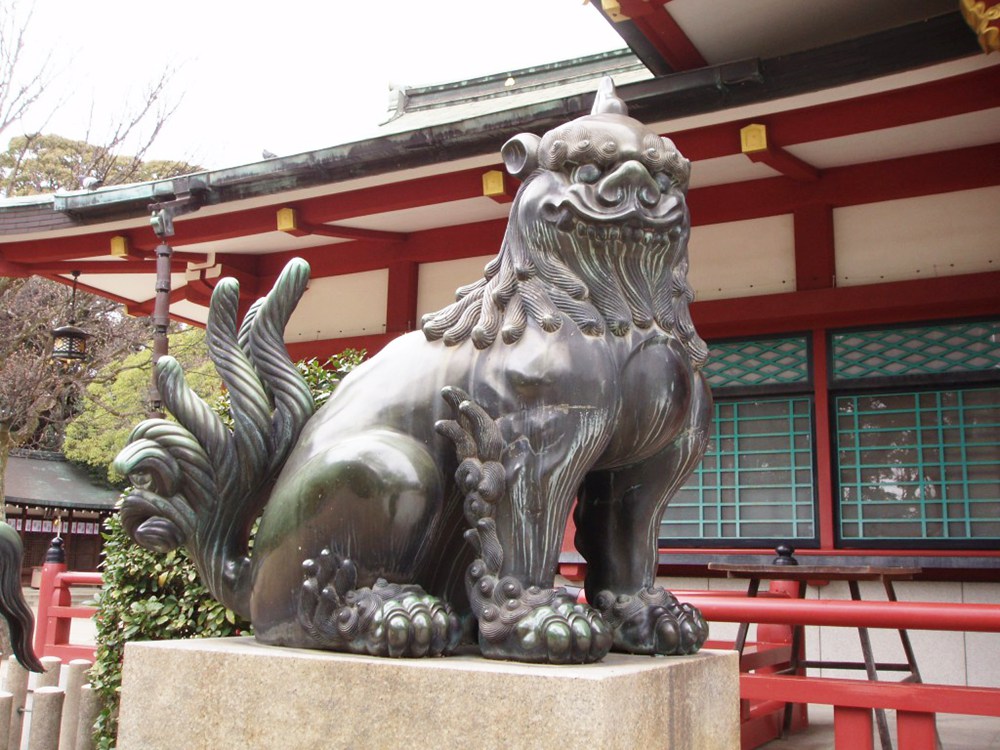
Bronze Komainu Guardian Statues at a Japanese Shrine
4. The Renaissance and Enlightenment: Expressions of Art and Power
- Renaissance Europe:
Lion sculptures emerged as a prominent theme in artistic expression, symbolizing humanity’s mastery over nature and power.
The winged lion sculpture in St. Mark’s Square in Venice symbolizes the dissemination of the Gospel of St. Mark and the glory of the Venetian Republic.
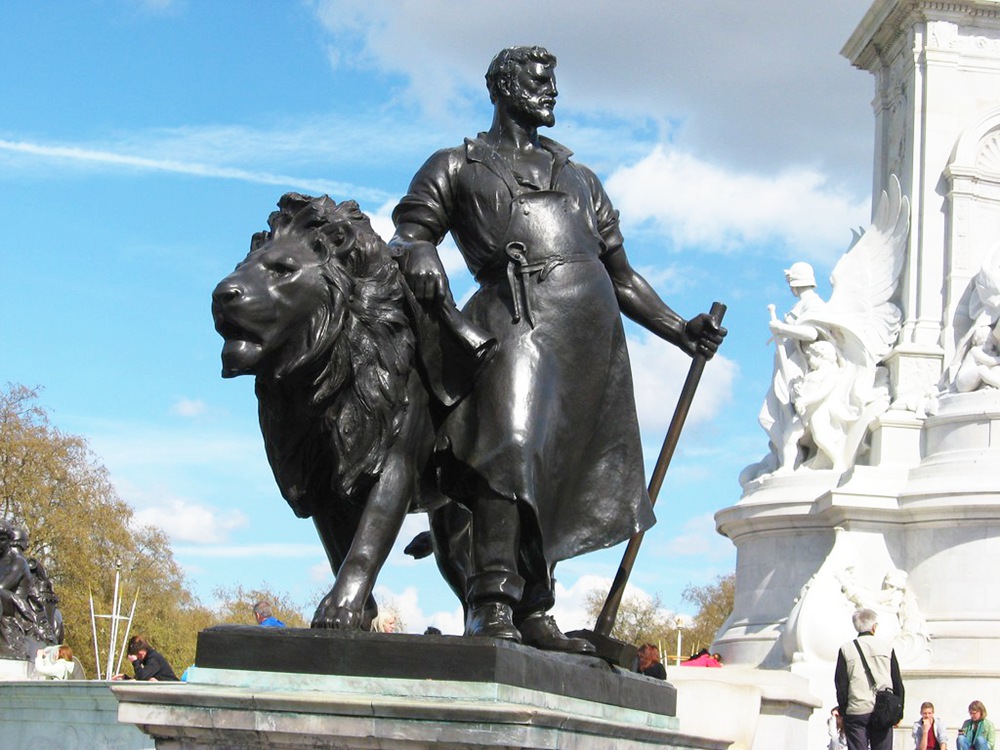
Bronze Statues of Lions and Blacksmiths on the Base of the Victoria Memorial in Front of Buckingham Palace, London
- Asian Dynasties:
During China’s Ming and Qing dynasties, stone lion sculptures became an iconic element of imperial architecture, symbolizing the supreme authority of the emperor and the prosperity of the nation. The bronze lions in front of the Forbidden City in Beijing are among the most famous examples. The male lion holds a ball, symbolizing power, while the female lion cradles a cub, representing protection and nurturing.
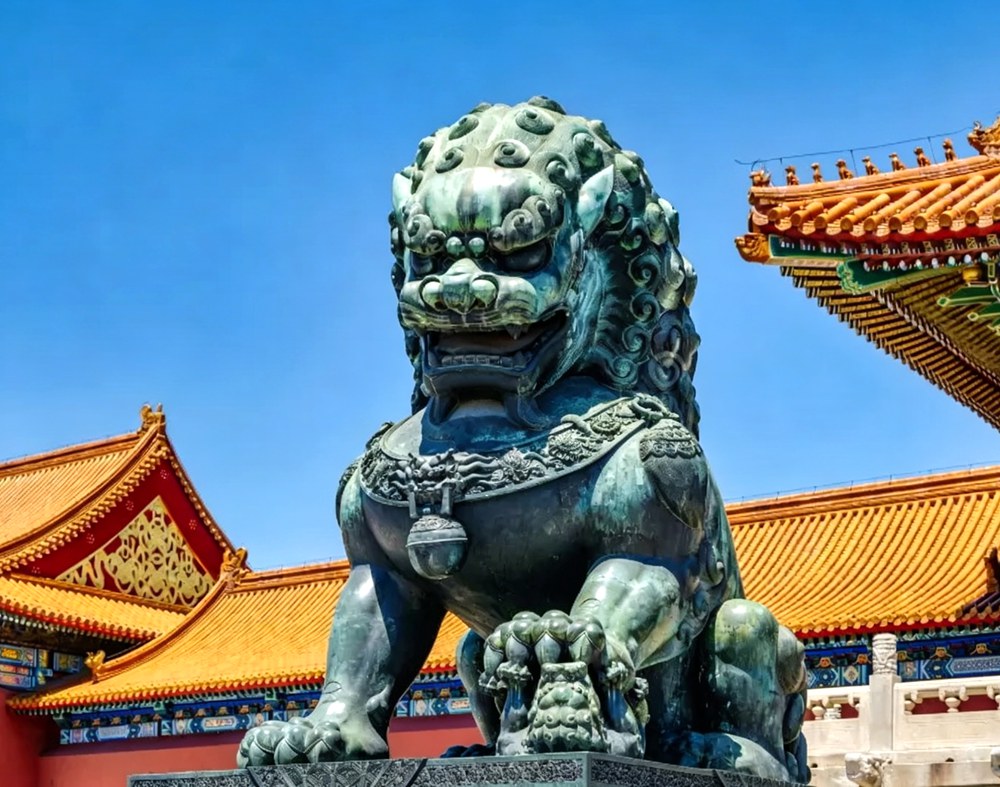
The Chinese guardian lion sculptures in front of the Forbidden City symbolize auspiciousness and guardianship.
5. Modern Culture: Symbols of Authority and Branding
- Public Art and Landmarks:
Lion sculptures have become iconic artworks and landmarks in many cities (such as the Landseer Lions in London’s Trafalgar Square). The four bronze lions at Trafalgar Square in London are iconic symbols of British naval power and honor. These sculptures guard the base of Nelson’s Column, commemorating Admiral Nelson’s victory at the Battle of Trafalgar.
In settings such as banks, commercial centers, and hotels, lion sculptures symbolize authority, stability, and wealth.
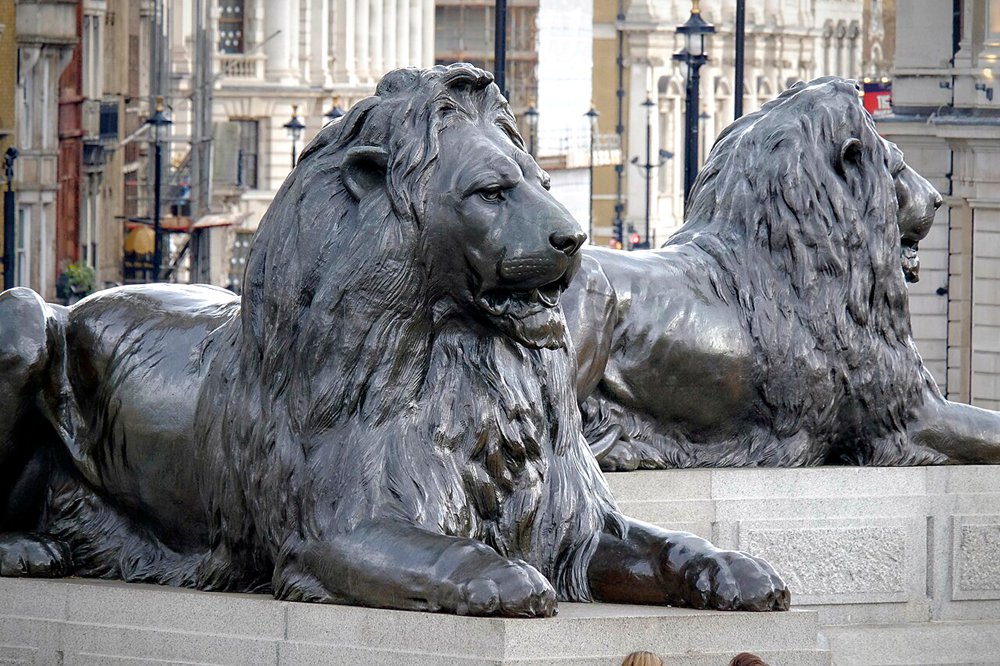
The bronze lion sculptures at Trafalgar Square symbolize British royal authority and glory.
- Branding and Pop Culture:
As brand emblems, lion sculptures convey strength, leadership, and a sense of trustworthiness. Lion sculptures are frequently placed at the entrances of government buildings, large public squares, and historical sites to project an air of solemnity and majesty.
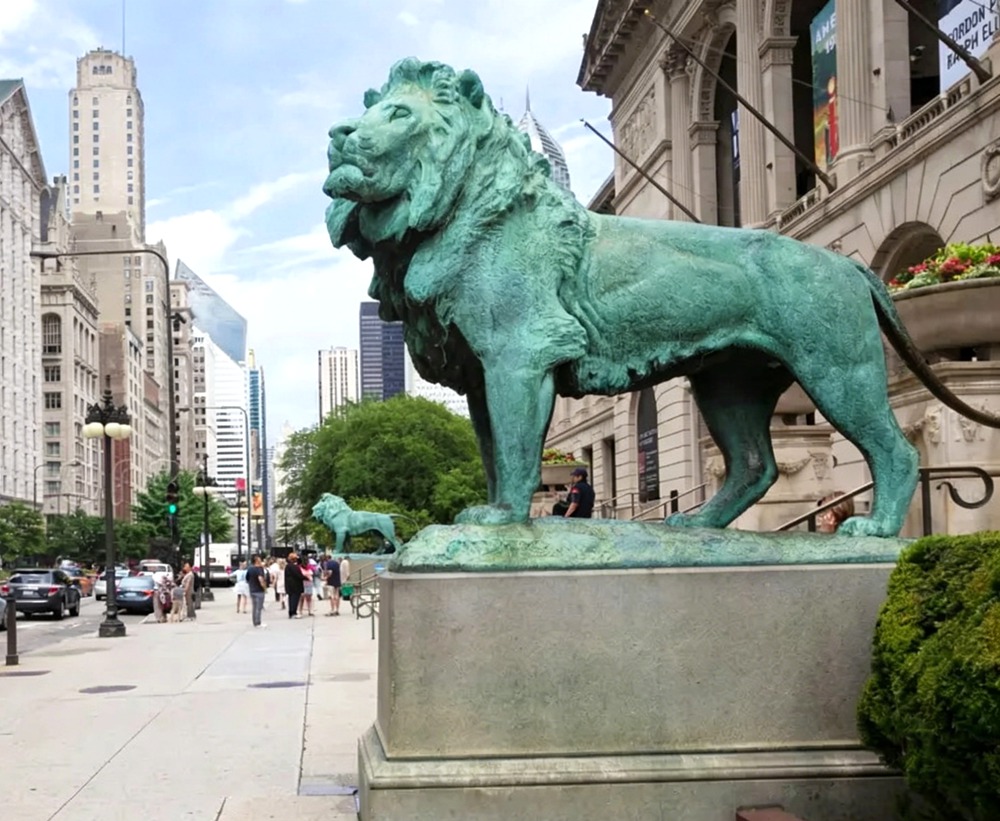
large Standing Lion Statues at the Art Institute of Chicago
In film and literature, lion sculptures are often imbued with symbolic meanings of justice, protection, and courage (such as Simba in *The Lion King*).
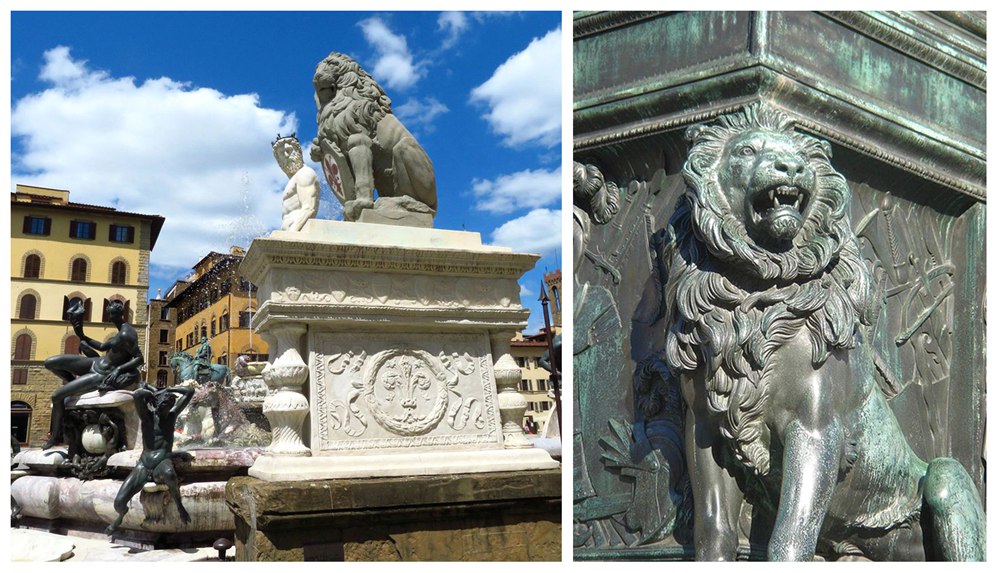
The Marzocco lion created by Donatello symbolizes strength and vigilance. Aslan from *The Chronicles of Narnia* symbolizes wisdom, strength, and moral authority.
How to Choosing the Right Lion Sculpture
Choosing the right lion sculpture is easier than you think! To help you make an informed decision, the table below outlines key points and provides more customization possibilities, including a wide range of lion sculpture types. Each piece could be fully customized to suit your space and style, making it uniquely yours.
Placement and Size
- For Gardens: between 40 and 60 inches tall
Depending on the size of your garden, select a walking lion sculpture or a family of lions—standing between 40 and 60 inches tall—to place at the entrance or in the center of the space; this will not only enhance its natural beauty but also infuse it with a sense of strength and harmony.
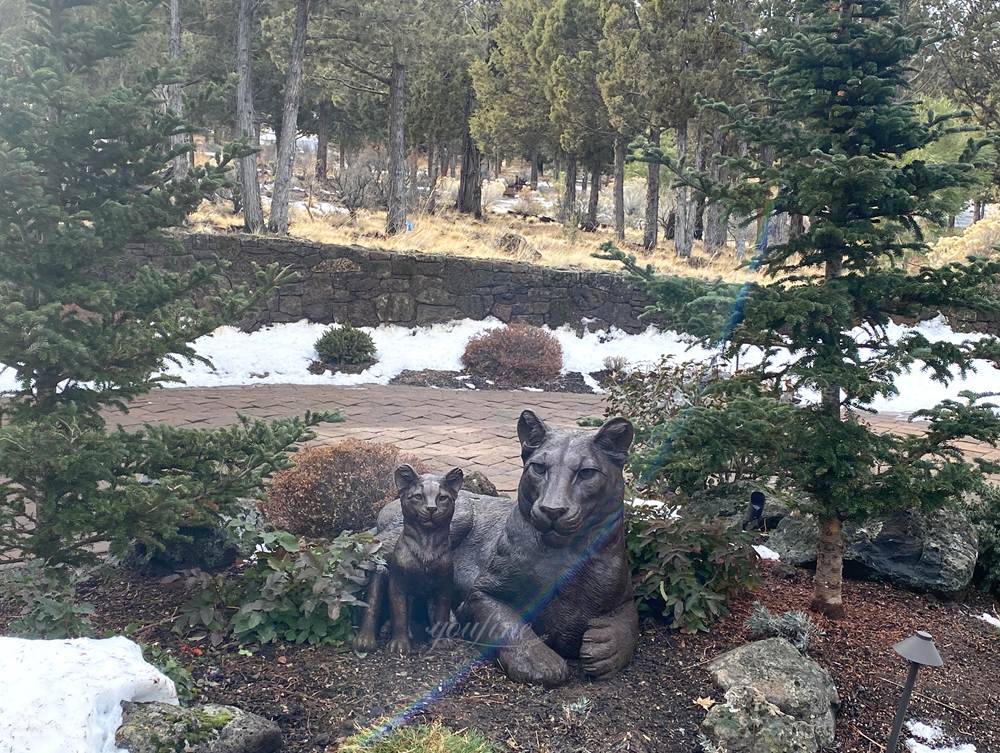
YouFine Factory 28-inch-tall Bronze Lion Family for a Garden in the U.S. Feedback
- For Entrances: approximately 30 to 70 inches
Consider selecting a bronze lion statue—either in a reclining or standing posture, and ranging in height from approximately 30 to 70 inches—to be positioned at your main entrance; this serves as a powerful symbol of authority, stability, and prosperity.
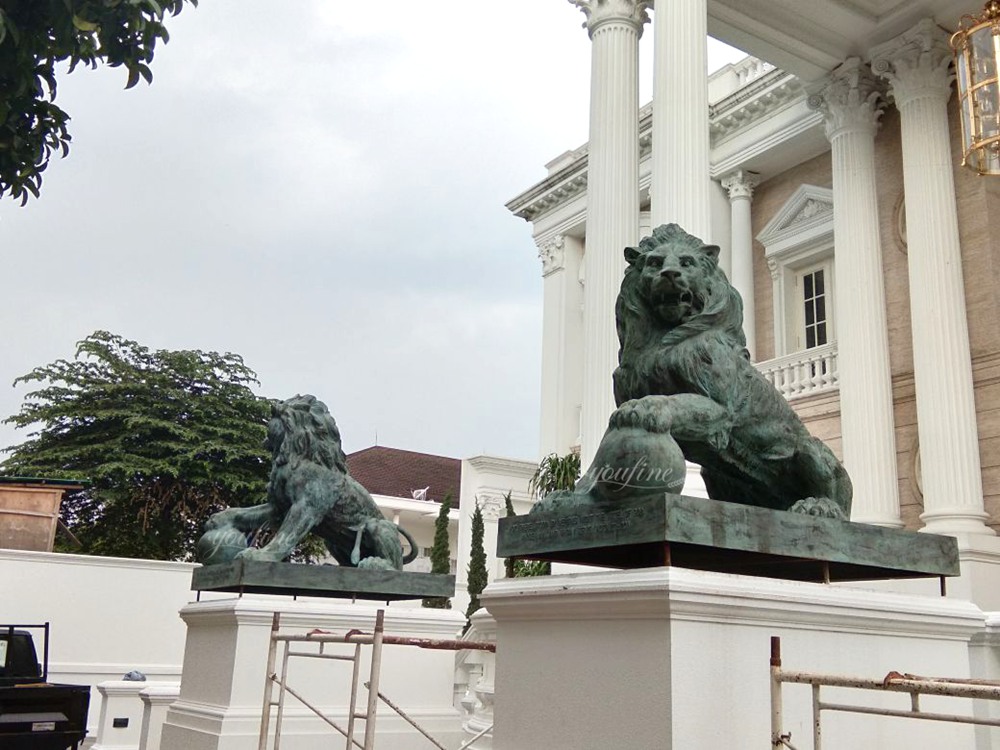
51-inch-tall Lion Sculpture Standing on a Ball at a Grand Hotel Lobbies feedback from Our Customer
Various Styles and Designs
The following are some of the most popular types of lion statues currently available on the market; based on your specific venue and customer feedback, we have recommended the corresponding styles for you.
| Lion Type | Description |
|---|---|
| Sitting Lions | Classic design, symbolizing strength and stability. |
| Walking Lions | Dynamic and majestic, conveying authority and energy. |
| HSBC Lions | Symbol of wealth, stability, and protection. |
| Winged Lions | Mythical and grand, representing power and wisdom. |
| Mother-and-Cub Lions | Depicts family harmony and protection. |
| Crowned Lions | Regal and noble, symbolizing leadership and royalty. |
- Sitting Lions:Classic design, symbolizing strength and stability
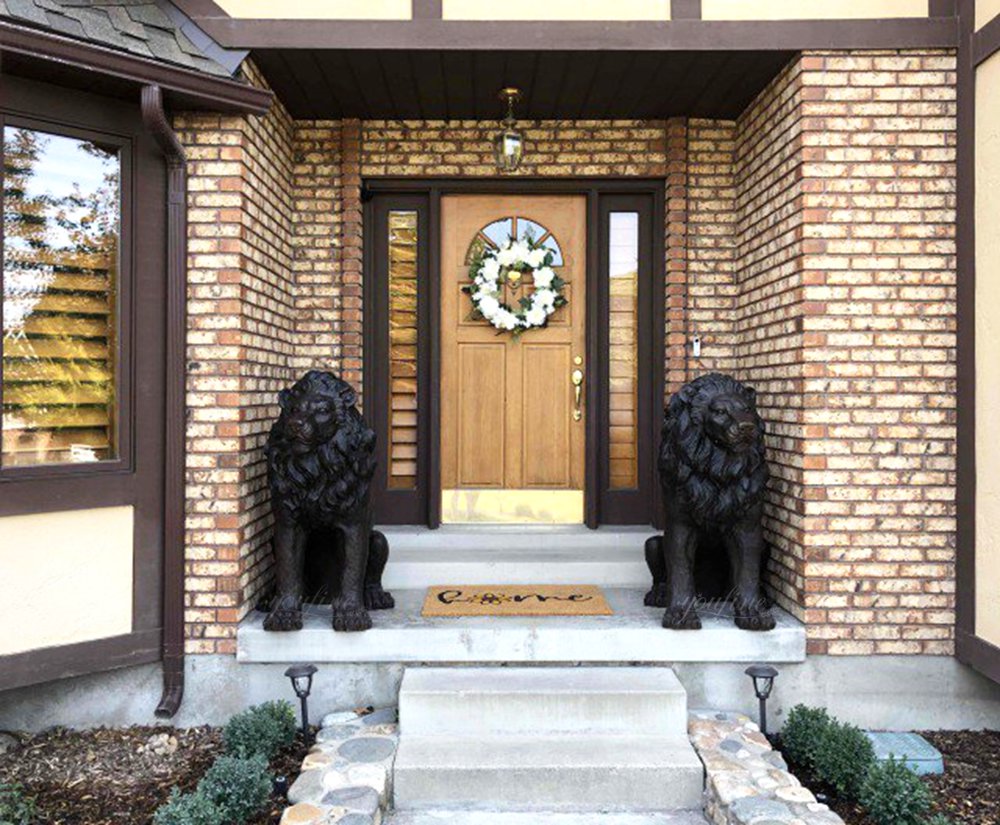
A 41-inch-tall sitting lion statue placed at a client’s doorstep
- Walking Lions: Dynamic and majestic, conveying authority and energy
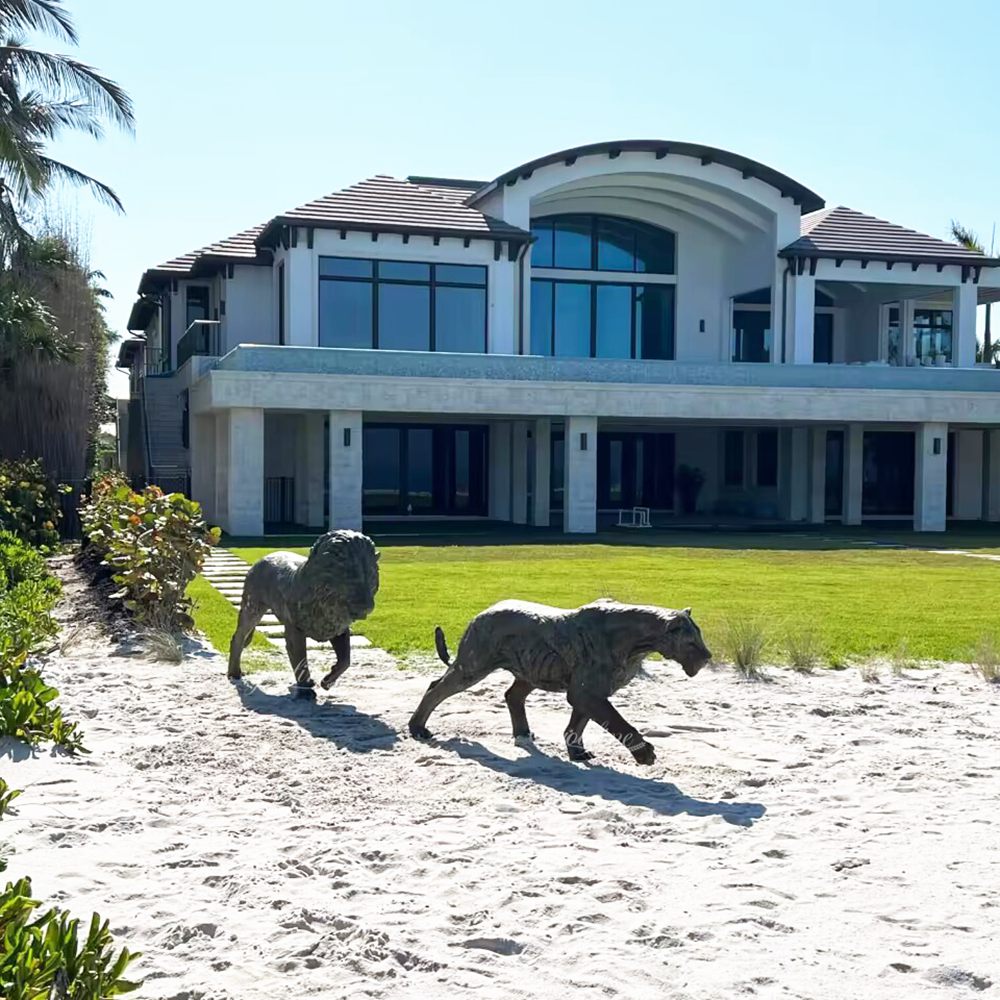
YouFine Factory Sculptures of 43-inch and 40-inch two walking lioness and lion sculptures strolling through a seaside estate.
- HSBC Lions :Symbol of wealth, stability, and protection
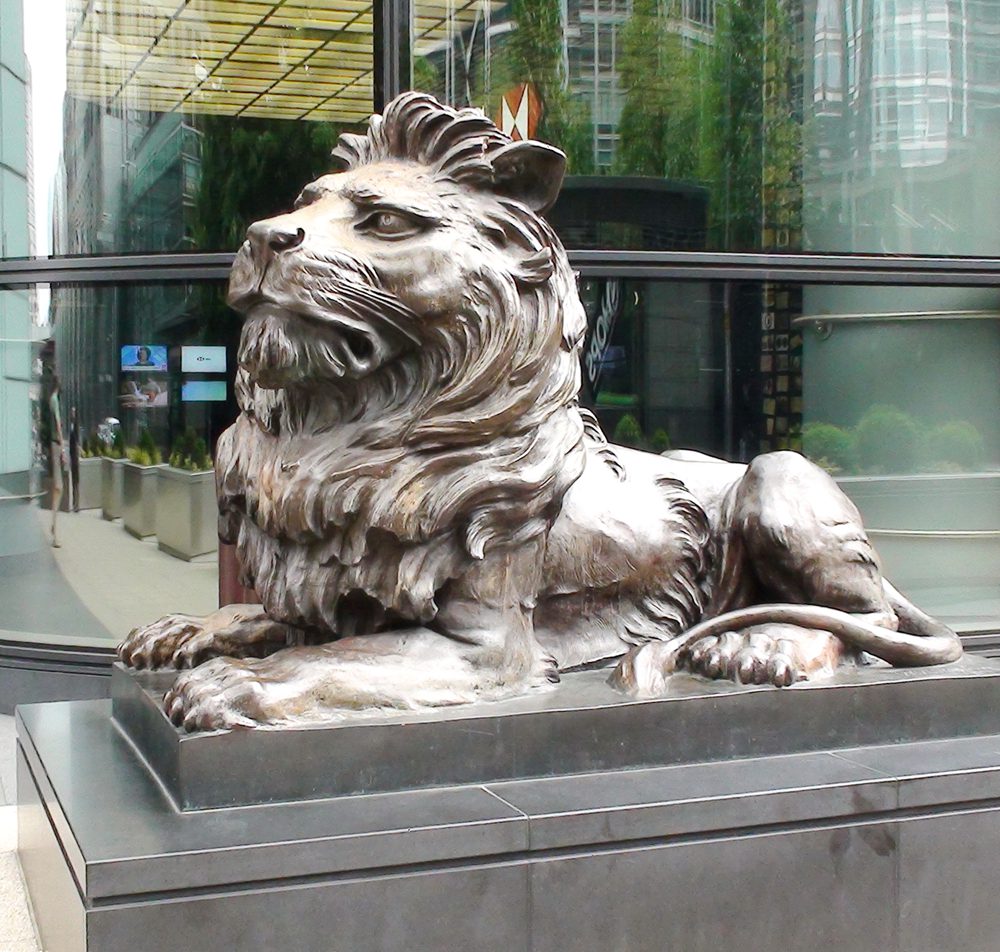
A 28-inch-tall HSBC lion sculptures at a bank outside.
Frequently Asked Questions
Still have questions? Check out our FAQ section below to find quick answers to common queries!
Q: Is it okay to keep a lion statue at home?
A: Yes, bronze lions are excellent for homes, especially in gardens or at entrances, as they symbolize protection and bring good fortune.
Q: What do lions at your front door mean?
A: Lions at the front door symbolize protection, authority, and prosperity. They also help ward off negative energy and invite good luck.
Q: How do I clean and maintain my bronze lion sculpture?
A: Bronze sculptures are highly durable, but regular maintenance could help them retain their beauty over time. Basic care includes dusting, occasional cleaning with mild soap and water, and applying a protective wax coating. For detailed instructions, check out our comprehensive guide: How to Care for Your Bronze Sculptures.
Conclusion
From their rich history to their symbolic and aesthetic value, bronze lion sculptures are more than just decorative pieces—they are timeless icons of power, protection, and prosperity. Whether you’re looking to enhance your home, business, or garden, we offer custom-made sculptures tailored to your needs. Contact us today to begin your journey to owning a unique and meaningful piece of art!