


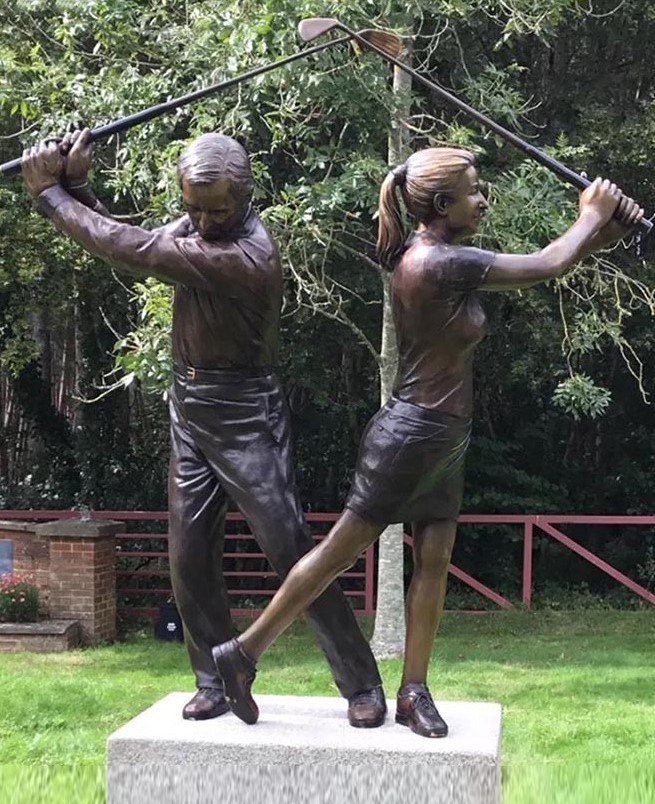
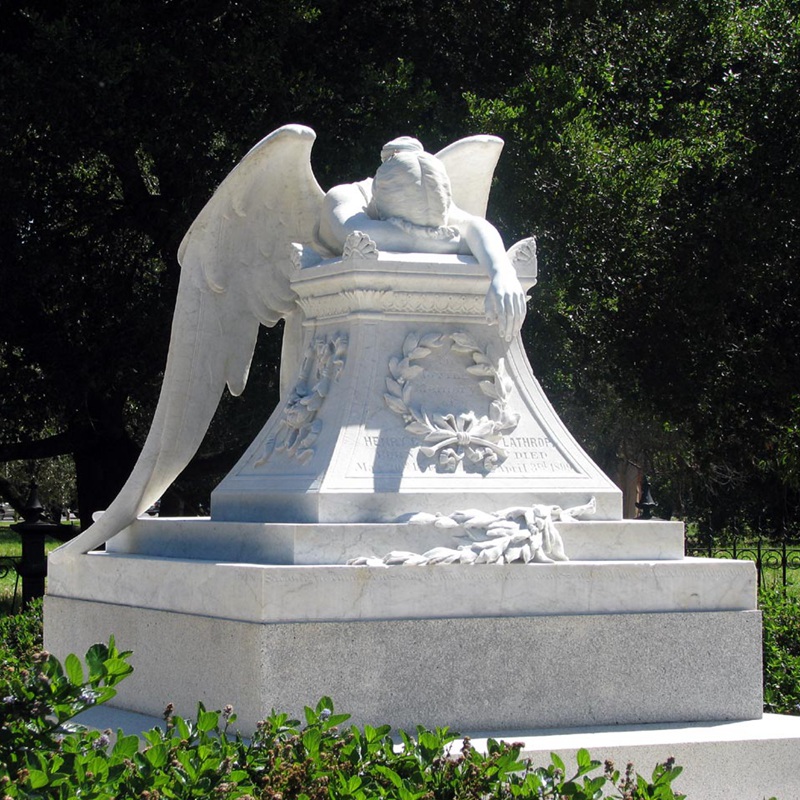
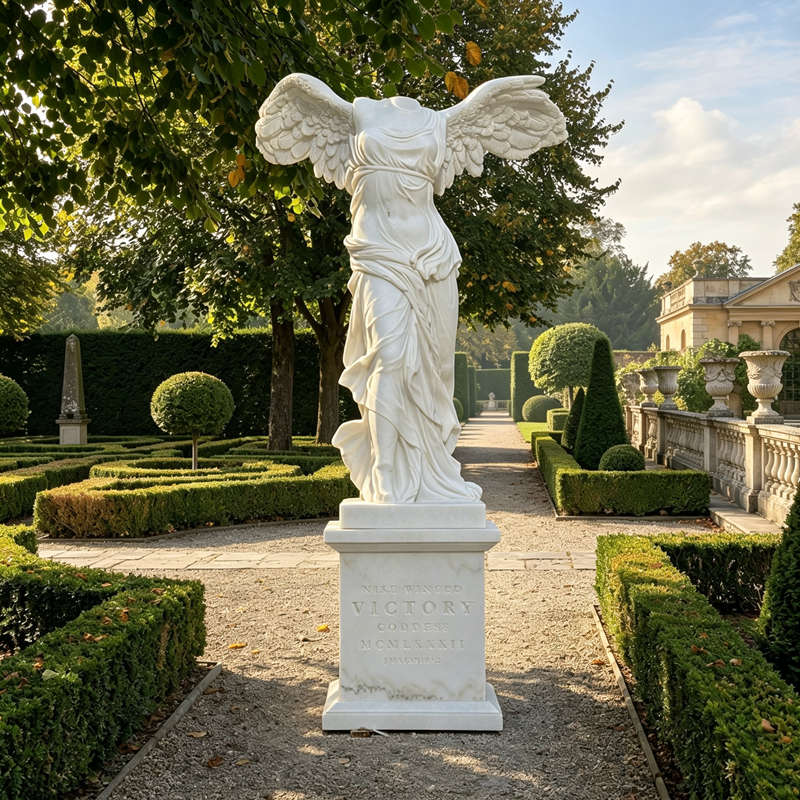
Different types of sculptures are usually classified by form, style, material, or purpose. The most common sculpture types by form include free-standing sculpture, relief sculpture, bust sculpture, kinetic sculpture, installation sculpture, and monumental sculpture. Sculptures can also be grouped by style, such as figurative or abstract, and by material, including bronze, marble, wood, stainless steel, and fiberglass. Understanding these categories makes it easier to compare sculptures by appearance, function, and ideal placement.
However, there are 10 types of sculpture that people most often recognize and compare. These 10 common sculpture types include free-standing sculpture, relief sculpture, bust sculpture, figurative sculpture, animal sculpture, abstract sculpture, religious sculpture, kinetic sculpture, carved sculpture, and cast sculpture.
In this guide, we will first introduce the 10 most common types of sculpture, then explain how sculptures are usually classified by form, style, material, and use. This makes it easier to understand not only what each sculpture type is, but also which type may be best for a garden, memorial, hotel, religious space, public artwork, or commercial project.
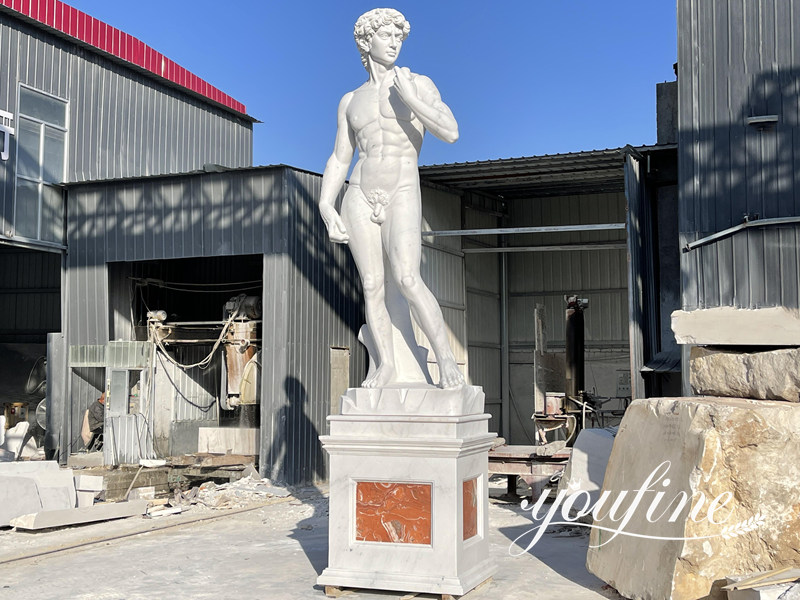
What Are the 10 Most Common Types of Sculpture?
Below are the 10 types of sculpture that are most commonly recognized in art, design, decoration, and public projects. Together, they offer a practical introduction to the different types of sculptures used in real spaces.
1. Free-Standing Sculpture (Full-Round Sculpture)
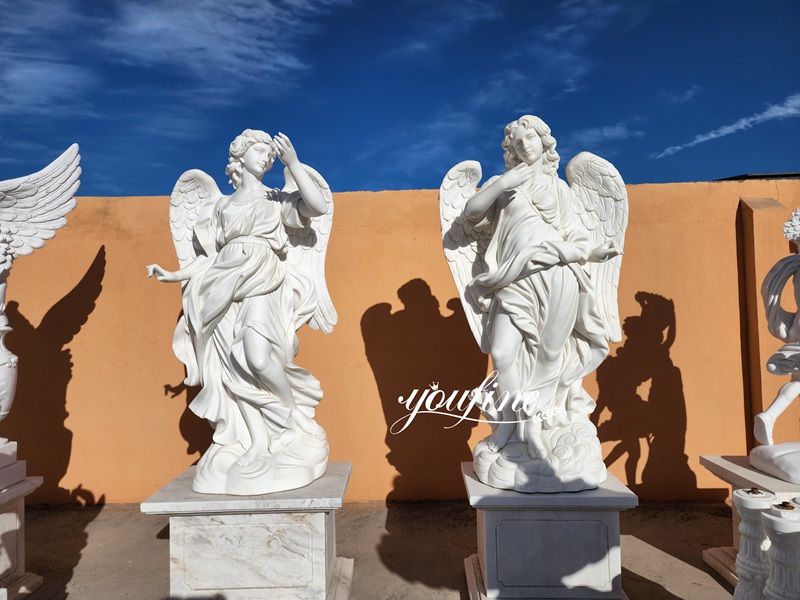
A free-standing sculpture is a fully three-dimensional work that can be viewed from all sides. It stands independently and is not attached to a wall or background surface. This is one of the most common types of outdoor sculpture, garden sculpture, and decorative sculpture. Free-standing sculpture is also often called full-round sculpture because the entire form is complete and visible in the round.
2. Relief Sculpture
A relief sculpture is attached to a flat background and projects outward from that surface. It is commonly used on walls, architectural facades, monuments, entrance features, and decorative panels. Depending on the depth, relief sculpture can be subtle or highly dimensional, making it a popular choice for storytelling, memorials, and ornamental design.
3. Bust Sculpture
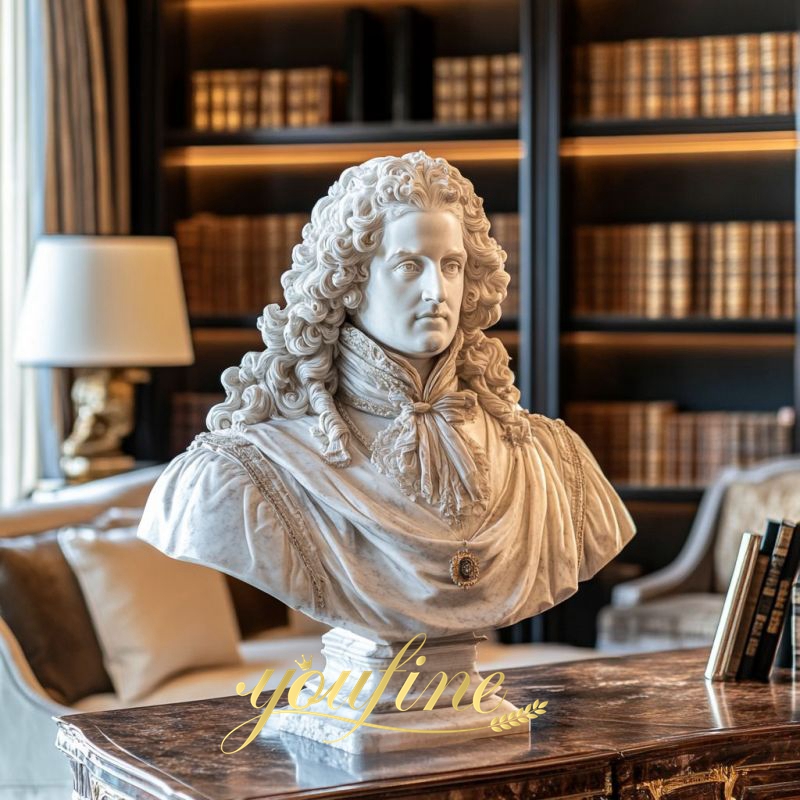
A bust sculpture represents the head, shoulders, and upper chest of a person. It is widely used for portrait sculpture, memorial sculpture, famous figures, and custom commissions. Because it focuses on facial expression and identity, bust sculpture is often chosen for institutions, public memorials, schools, museums, and private collections.
4. Figurative Sculpture
A figurative sculpture represents recognizable subjects from real life, especially human figures, animals, or natural forms. It may be realistic, stylized, or semi-abstract, but the subject remains visually identifiable. Figurative sculpture is one of the most familiar and widely accepted sculpture types because it communicates clearly and often carries strong emotional or symbolic value.
5. Animal Sculpture
An animal sculpture depicts animals such as horses, lions, deer, eagles, fish, abstract animal forms, or mythical creatures. This type is widely used in gardens, parks, plazas, estates, hotels, and thematic landscapes. Animal sculptures can be realistic, decorative, symbolic, or highly stylized, depending on the design purpose and placement.
6. Abstract Sculpture
An abstract sculpture focuses on shape, space, line, rhythm, and concept rather than realistic representation. It is especially popular in modern hotels, commercial buildings, real estate developments, courtyards, and contemporary landscape design. Abstract sculpture is often chosen when the goal is to create a strong visual statement, a modern atmosphere, or a more open artistic interpretation.
7. Religious Sculpture
A religious sculpture is created for spiritual, ceremonial, or devotional purposes. Common examples include Buddha statues, Christian sculptures, church decoration, temple sculpture, saints, angels, and sacred symbolic forms. This type of sculpture often emphasizes dignity, symbolism, cultural meaning, and long-term presence, making it important for religious sites and memorial environments.
8. Kinetic Sculpture
A kinetic sculpture includes movement as part of its design. The motion may be driven by wind, water, motors, gravity, or human interaction. Kinetic sculpture is known for its dynamic visual effect and strong contemporary character, and it is often used in public art, exhibitions, modern landscapes, and high-impact architectural spaces.
9. Carved Sculpture
A carved sculpture is created by cutting, shaping, or removing material from a solid block, most commonly stone, marble, or wood. Many classical Greek and Roman sculptures belong to this category, as do many traditional architectural and religious carvings. Carved sculpture is often valued for its craftsmanship, texture, permanence, and historical character.
10. Cast Sculpture
A cast sculpture is made by pouring liquid material such as bronze, resin, or plaster into a mold and allowing it to harden. This is one of the most important methods for producing metal sculpture, especially bronze sculpture. Cast sculpture is widely used for statues, memorials, figurative works, animal sculptures, and custom art projects because it allows complex shapes and refined details to be reproduced accurately.
These 10 types of sculpture provide a practical way to understand the most common categories people refer to in sculpture design and fabrication. In the next section, we will look at how sculptures are more systematically classified by form, style, material, and use.
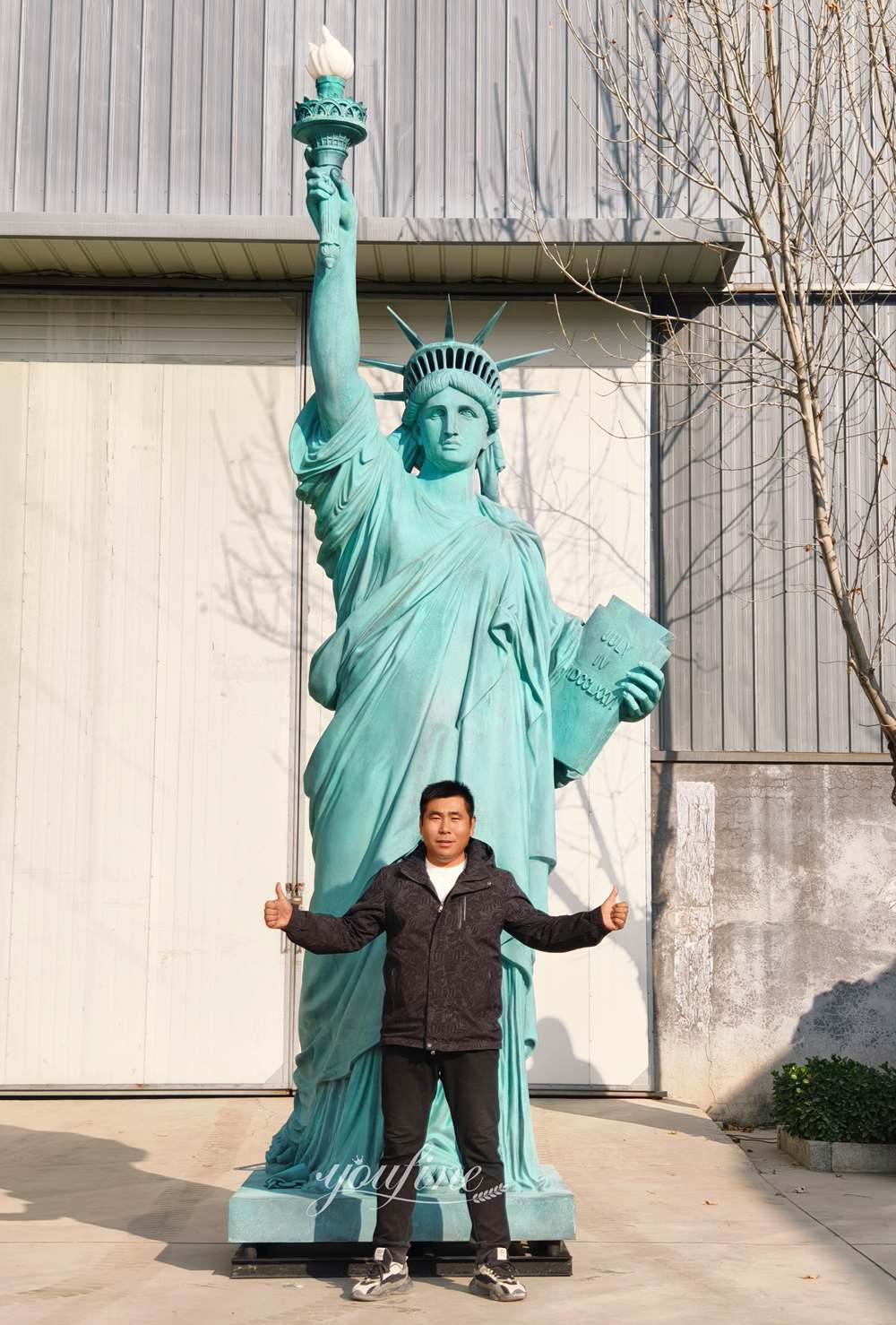
How Sculptures Are Usually Classified
Many articles mix form, style, material, and use together. That often makes the topic harder to understand. A better way is to separate sculpture into four clear classification methods: form, style, material, and use or placement.
| Classification Method | What It Refers To | Examples | Why It Matters |
|---|---|---|---|
| By Form | The physical structure of the sculpture | Free-standing, relief, bust, kinetic, monumental | Helps identify the main type of sculpture |
| By Style | The visual language or artistic expression | Figurative, abstract, classical, modern | Helps describe how the sculpture looks |
| By Material | The material used to make the sculpture | Bronze, marble, stone, wood, stainless steel, fiberglass | Helps assess durability, finish, and maintenance |
| By Use or Placement | The intended setting or function | Indoor decor, garden, memorial, public art, commercial display | Helps choose the right sculpture for a specific project |
In practice, most sculptures can be described through more than one of these categories at the same time. For example, a sculpture may be a free-standing abstract stainless steel sculpture designed for a public plaza.
Types of Sculptures by Form:
If there is one section that matters most in this article, it is this one. These are the main types of sculptures by form, which is the most direct and user-friendly classification system.
Free-Standing Sculptures
A free-standing sculpture is a fully three-dimensional sculpture that stands on its own and can be viewed from all sides.
Definition
It is not attached to a wall, floor panel, or background surface as part of the design.
Key visual characteristics
Visible from every angle
Occupies space independently
Often designed to work in open settings
Relief Sculptures
A relief sculpture is attached to a flat background and projects outward from that surface.
Definition
It combines sculpture and surface design, often appearing on walls, panels, or architectural elements.
Key visual characteristics
Not fully detached from the background
Can be shallow or deep in projection
Often works well with architecture
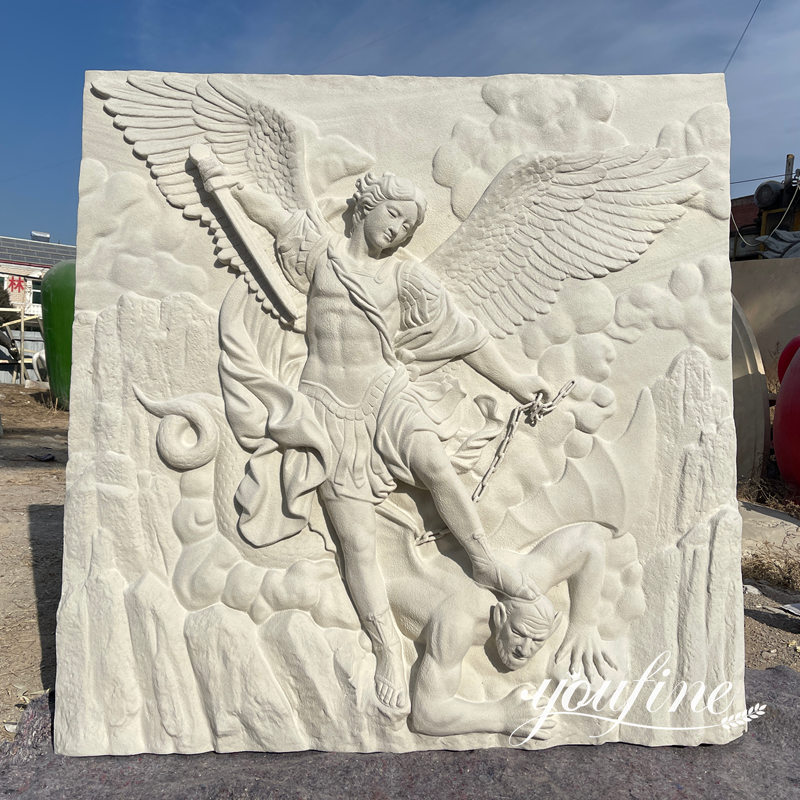
Marble Relief of Saint Michael
Bust Sculptures
A bust sculpture represents the head, shoulders, and upper chest of a person.
Definition
It focuses on the face and upper body rather than showing the full figure.
Key visual characteristics
Emphasis on identity and expression
Usually portrait-based
Smaller and more focused than a full statue
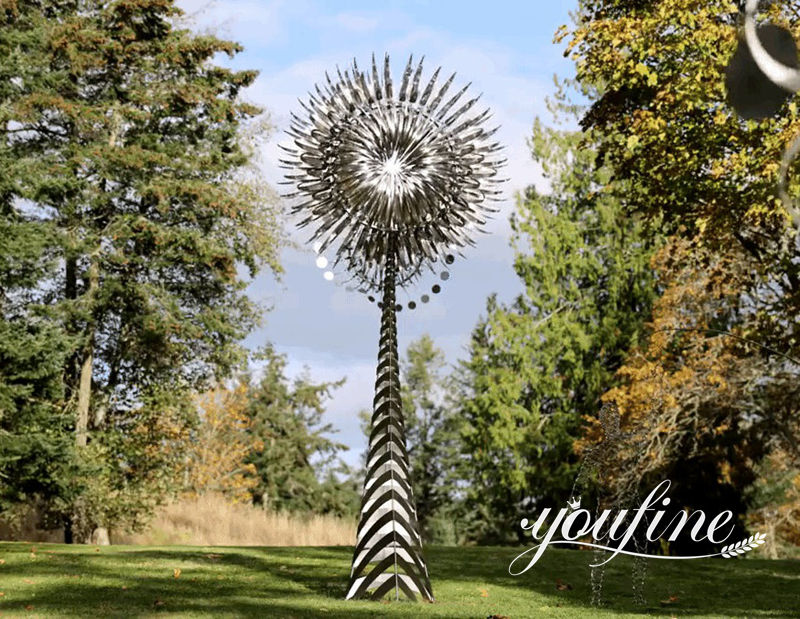
Kinetic Sculptures
A kinetic sculpture includes movement as part of its design.
Definition
The movement may be caused by wind, motors, gravity, or human interaction.
Key visual characteristics
Changes visually over time
Adds motion to sculptural form
Often dynamic and playful
Monumental Sculptures
A monumental sculpture is a large-scale sculpture created for strong visual impact.
Definition
It is usually designed for large open spaces and public visibility.
Key visual characteristics
Large in scale
Visible from a distance
Often symbolic or commemorative
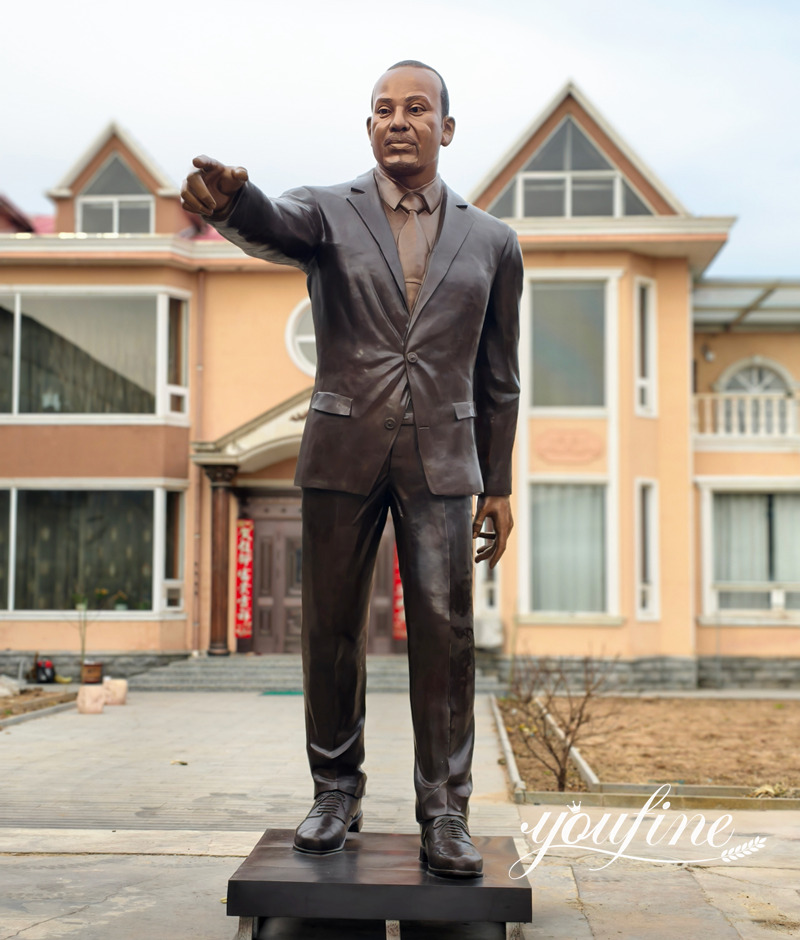
Custom 4-Meter Bronze Presidential Monumental Statue
Installation Sculptures
An installation sculpture is often site-specific and designed to interact with the surrounding environment.
Definition
It is created for a particular space and may involve multiple components or immersive elements.
Key visual characteristics
Strong relationship with the site
May surround or engage the viewer
Often conceptual or experiential
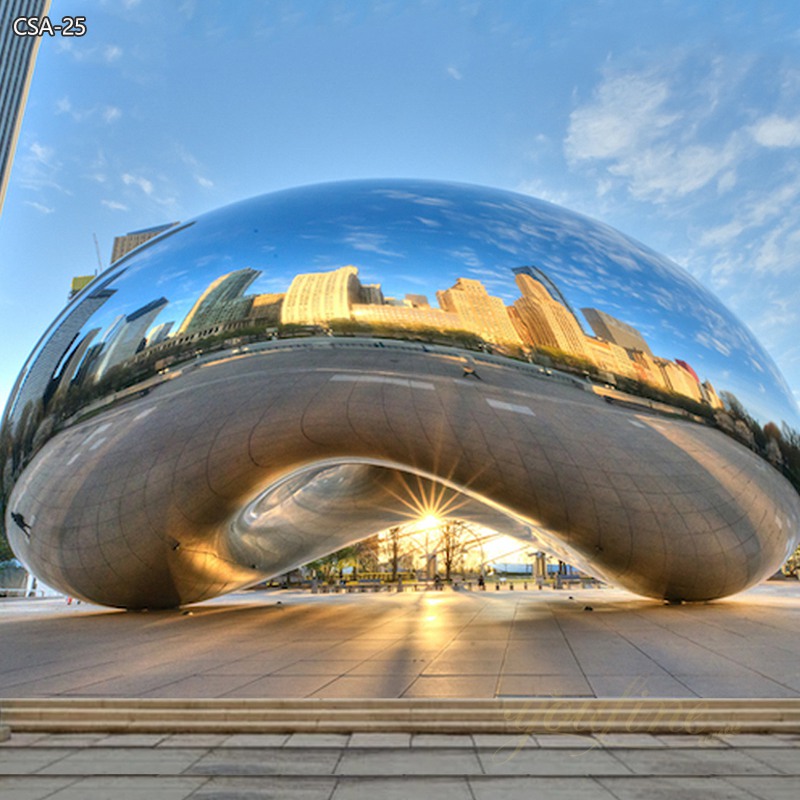
Large Cloud Gate Stainless Steel Installation Sculpture
Types of Sculptures By Styles
Many people naturally think of figurative and abstract as sculpture types. While they are more accurately described as styles, they are still essential to understanding sculpture.
Figurative Sculpture
A figurative sculpture represents something recognizable from real life, such as a person, animal, or object.
Main characteristics
Realistic or semi-realistic appearance
Clear subject matter
Strong emotional or symbolic value
Figurative sculpture is one of the most familiar and widely used styles because it is easy to understand and emotionally direct.
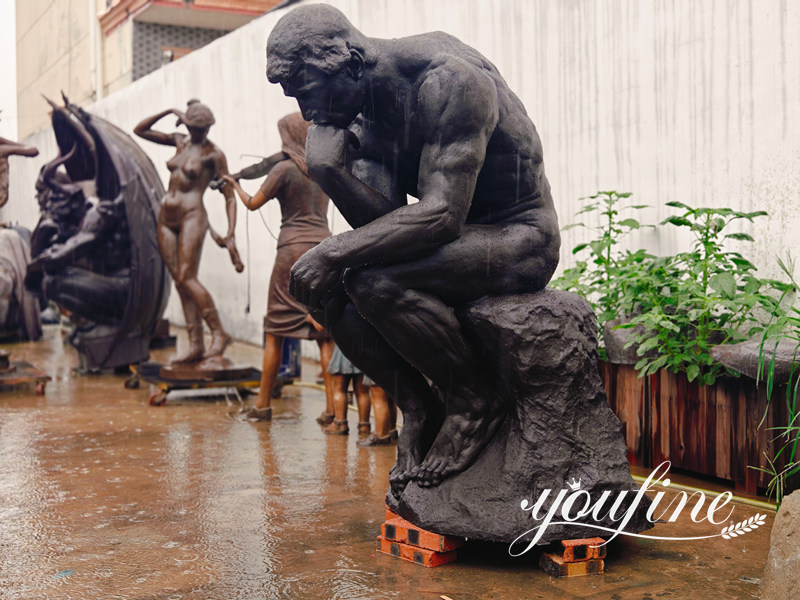
Classic Bronze The Thinker Statue
Abstract Sculpture
An abstract sculpture focuses on shape, space, line, rhythm, or concept rather than realistic representation.
Main characteristics
Simplified or non-representational forms
More open to interpretation
Often design-driven
Abstract sculpture is especially popular in modern architecture and commercial design.
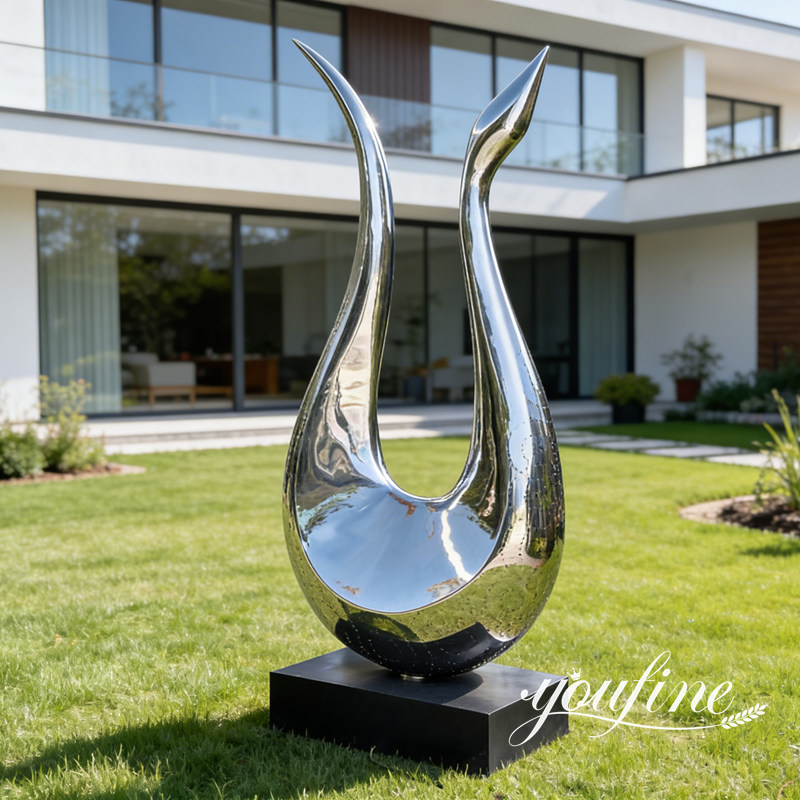
Stainless Steel Abstract Sculpture
Classical Sculpture
Classical sculpture is inspired by historical traditions, especially Greek, Roman, and European artistic ideals.
Main characteristics
Balanced proportions
Formal composition
Traditional elegance
This style is often chosen when the goal is to create a timeless and refined atmosphere.
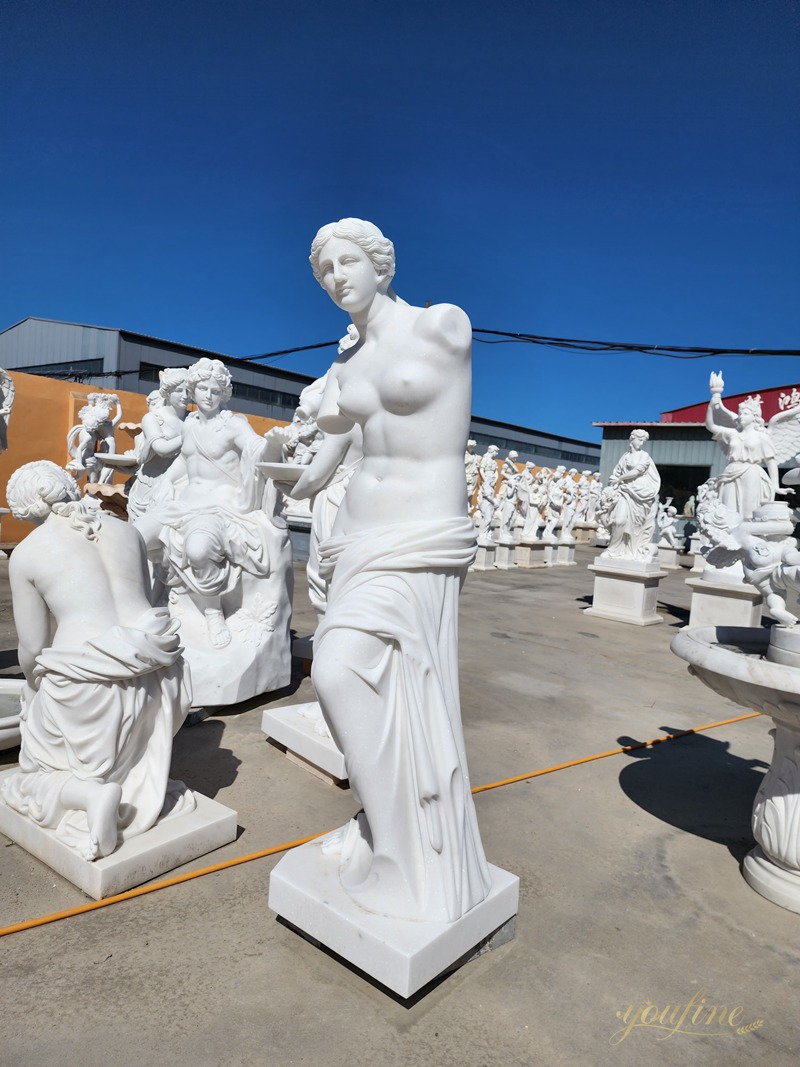
Classical Marble Venus De Milo Art Statues Replica
Modern and Contemporary Sculpture
Modern and contemporary sculpture includes a wide range of experimental forms, materials, and concepts.
Main characteristics
Innovation in form
Broader material choices
Strong conceptual thinking
This category is broad, but it is useful for describing sculptures that move beyond traditional visual rules.
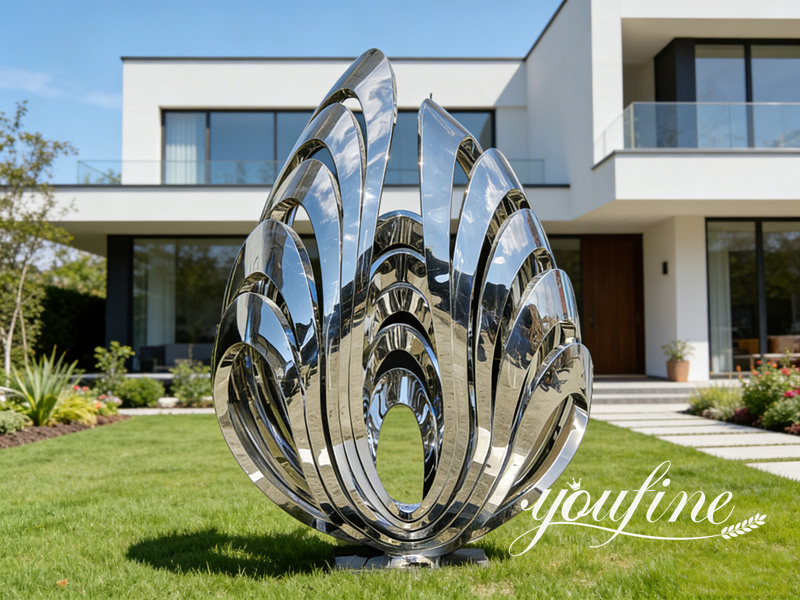
Modern Silver Stainless Steel Sculpture
Types of Sculptures by Material
Material plays a major role in the appearance, durability, maintenance, and cost of a sculpture. It also affects where the sculpture can be placed and what kind of style it suits best.
Bronze Sculptures
Bronze is one of the most traditional and respected sculpture materials.
Main characteristics
Durable and long-lasting
Rich surface texture
Suitable for fine details
Strong historical and artistic value
Bronze is often a preferred material for projects that need both durability and a classic appearance.
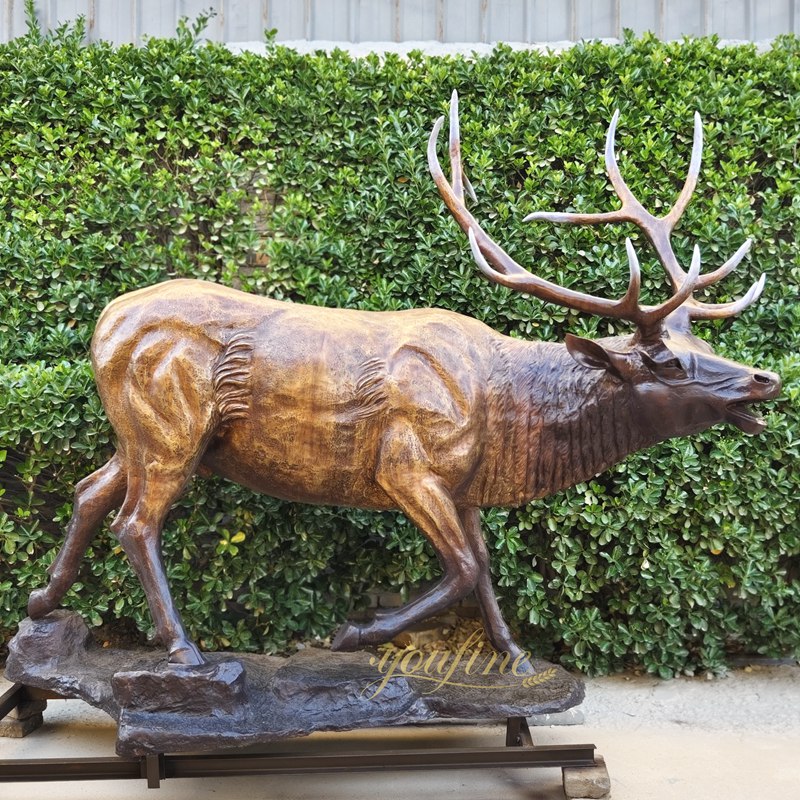
Bronze Elk Animal Sculpture
Marble and Stone Sculptures
Marble and stone are classic materials with a strong sense of permanence.
Main characteristics
Natural texture
Timeless visual appeal
Strong connection to traditional sculpture
These materials are ideal for projects that need a refined, natural, or historical character.
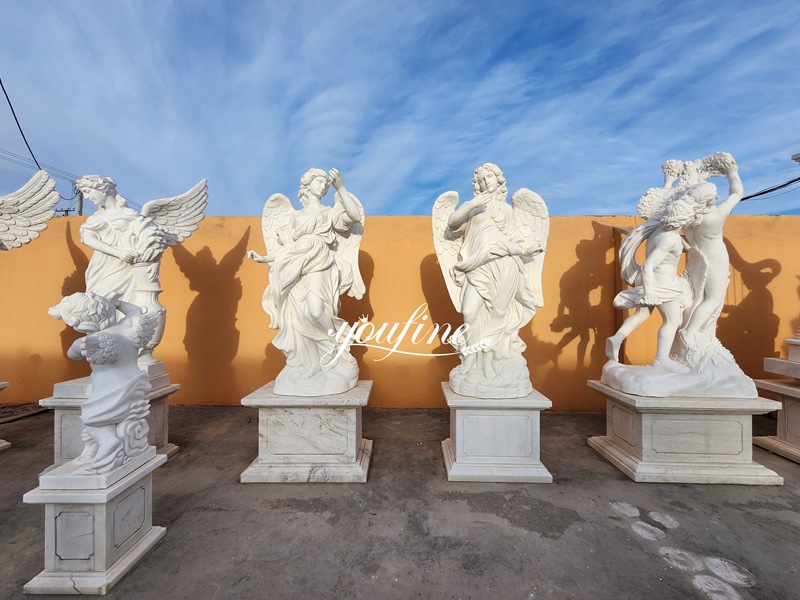
Natural White Marble Sculptures
Stainless Steel Sculptures
Stainless steel is widely used in modern sculpture, especially in public and commercial spaces.
Main characteristics
Strong and weather-resistant
Modern, polished, or reflective appearance
Suitable for large-scale projects
This material works especially well for contemporary sculpture with a bold visual presence.
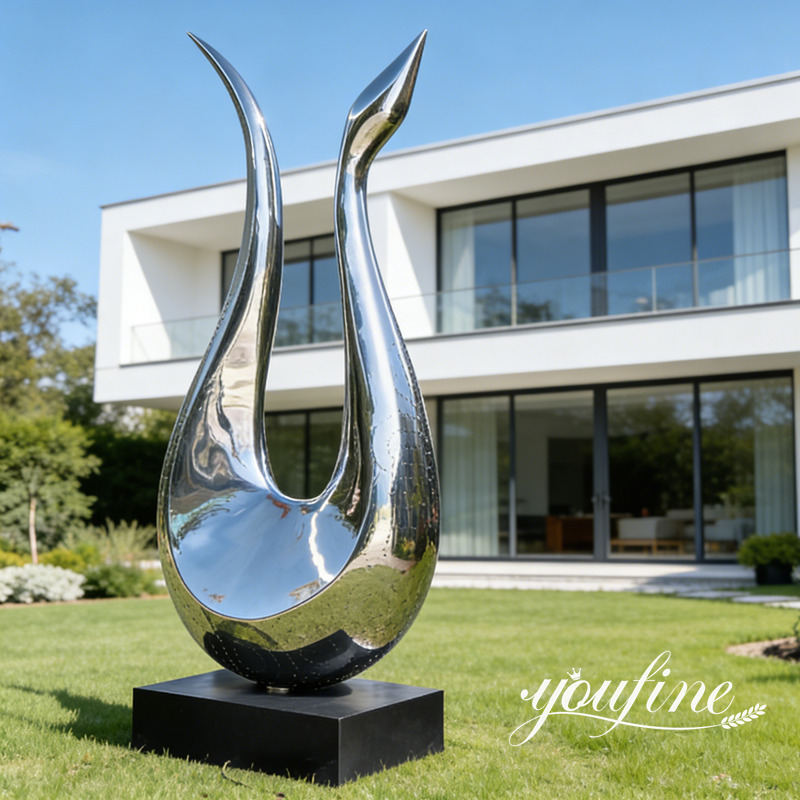
Modern Stainless Steel Sculptures
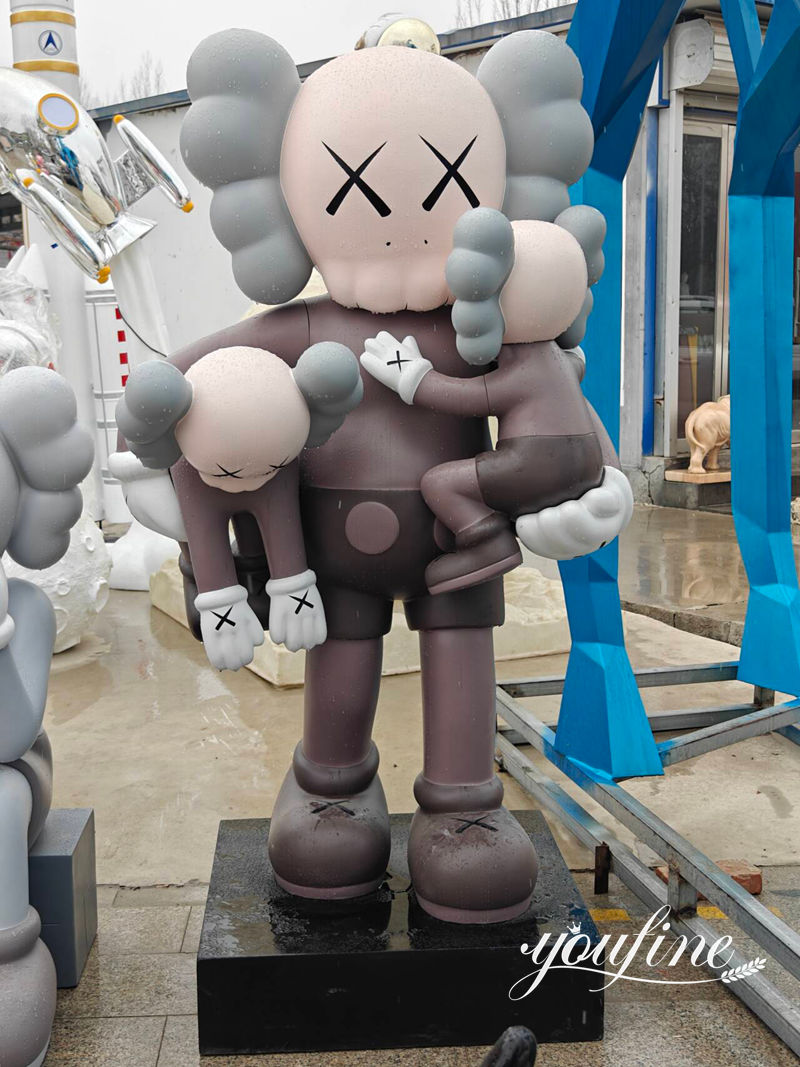
Fiberglass and Resin Sculptures
Fiberglass and resin are practical materials for decorative and custom projects.
Main characteristics
Lightweight
Flexible in shape and finish
Easier to transport and install
Suitable for colorful or themed work
These materials are useful when visual versatility and cost control are important.
Wood Sculptures
Wood offers a warm, handcrafted feeling.
Main characteristics
Organic and natural look
Good for carved detail
Often used in traditional or decorative contexts
Wood can be beautiful and expressive, but it generally requires more protection than stone or metal, especially outdoors.
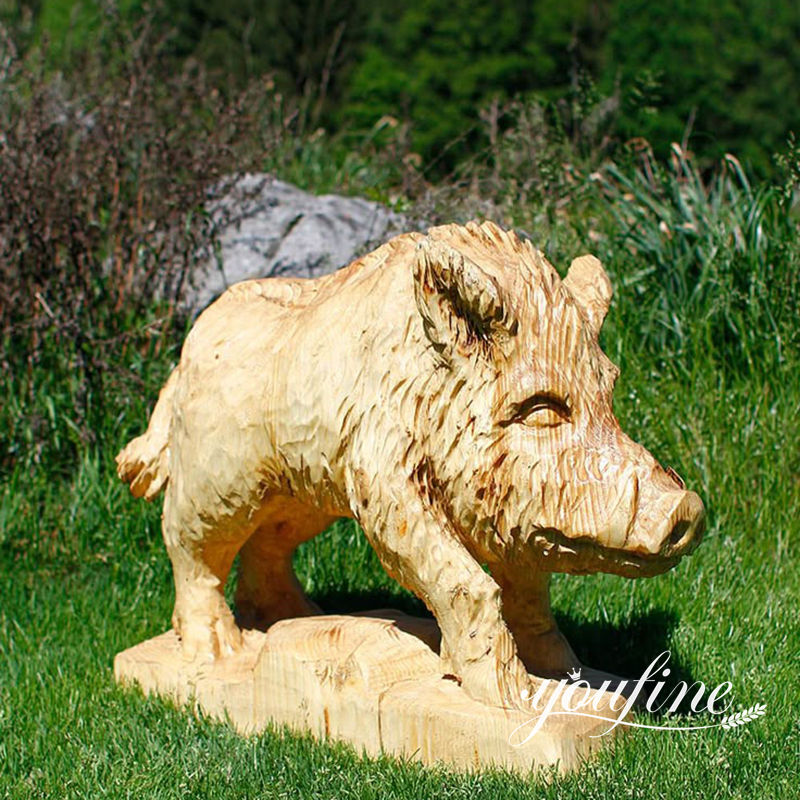
Types of Sculptures by Usage
Once you understand the main types and materials, the next practical question is where they are usually used. This helps clients connect the idea of sculpture with real spaces.
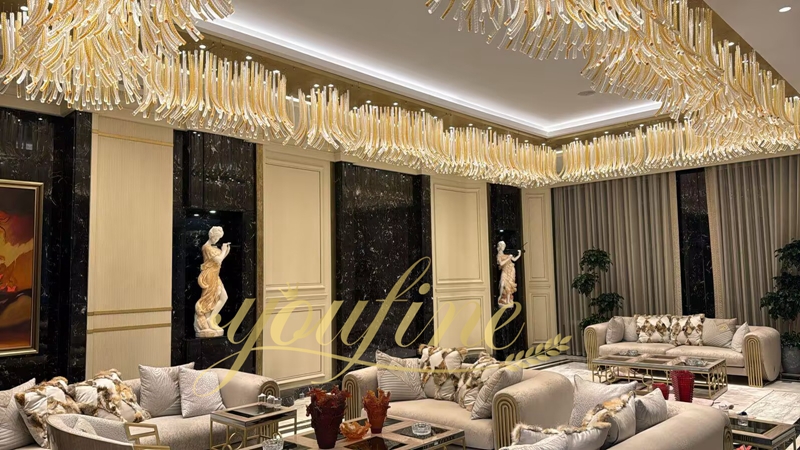
Indoor Decorative Spaces
Indoor environments often use sculptures that fit smaller or more controlled spaces.
Common choices include:
Bust sculptures
Small figurative works
Abstract sculptures
Resin or fiberglass pieces
These are often selected for elegance, identity, or interior design impact.
Gardens and Landscapes
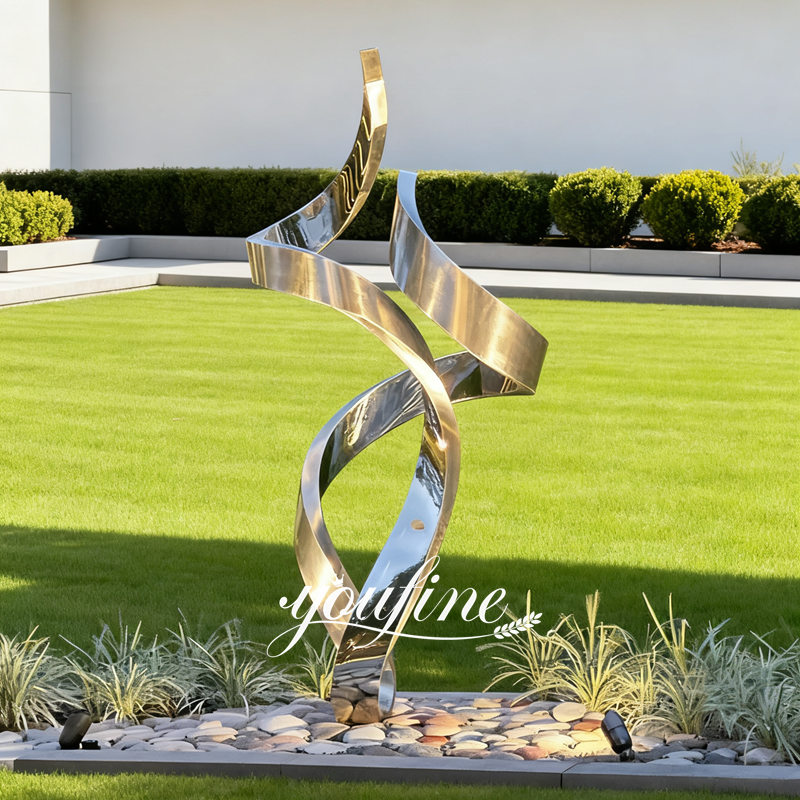
Gardens and landscape spaces usually require sculptures that can work with nature and weather.
Common choices include:
Stone sculptures
Bronze statues
Animal sculptures
Free-standing garden pieces
Classical forms
These sculptures often become focal points in outdoor design.
Public Art and Civic Spaces
Public spaces require strong visibility, durability, and often symbolic meaning.
Common choices include:
Monumental sculpture
Stainless steel abstract works
Memorial sculpture
Site-specific installations
These projects are often designed to create identity and public recognition.
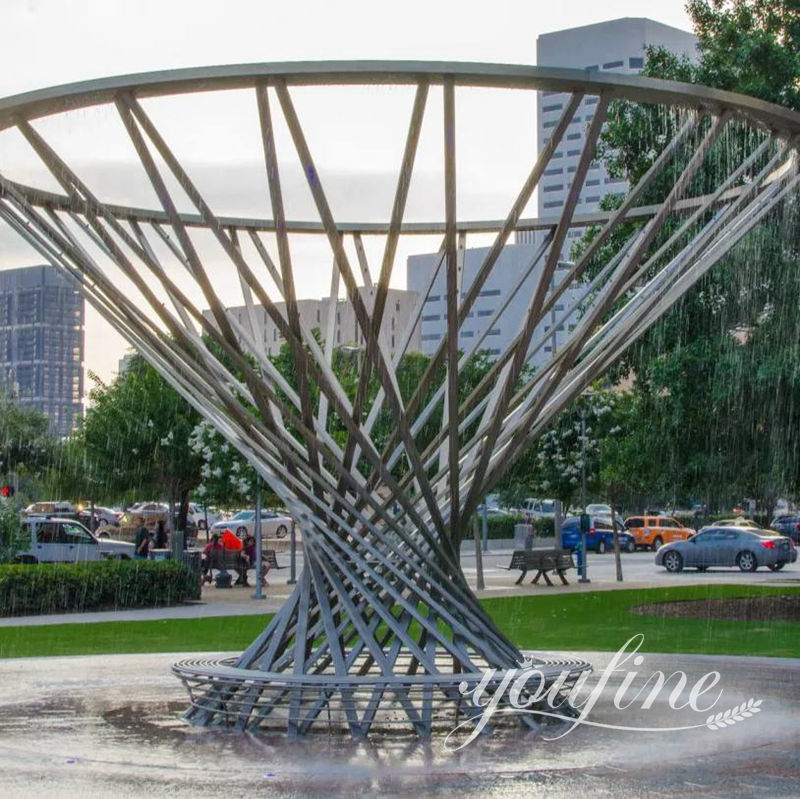
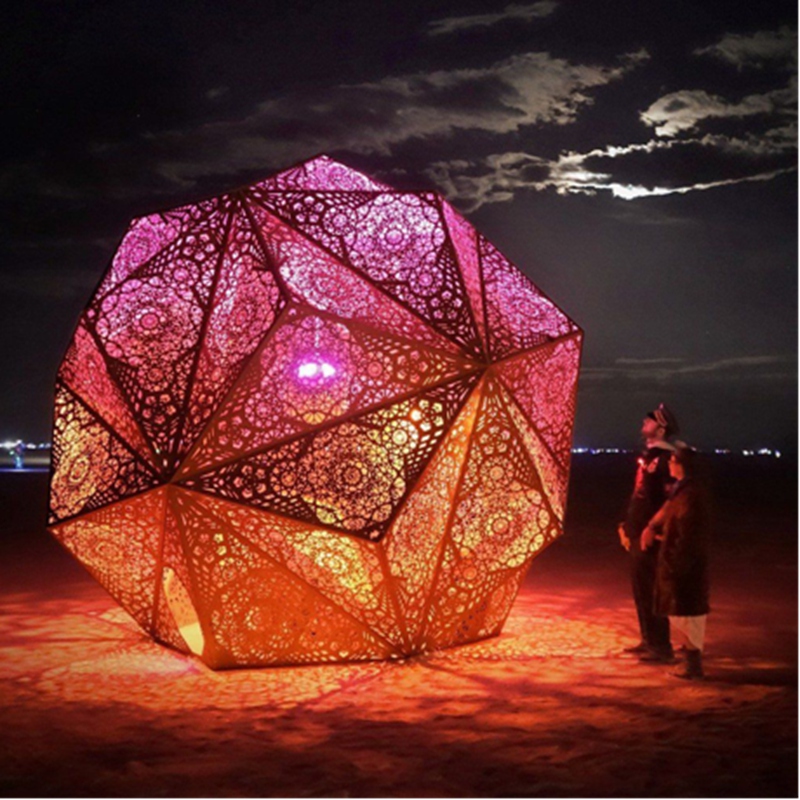
Large Public Art Sculptures
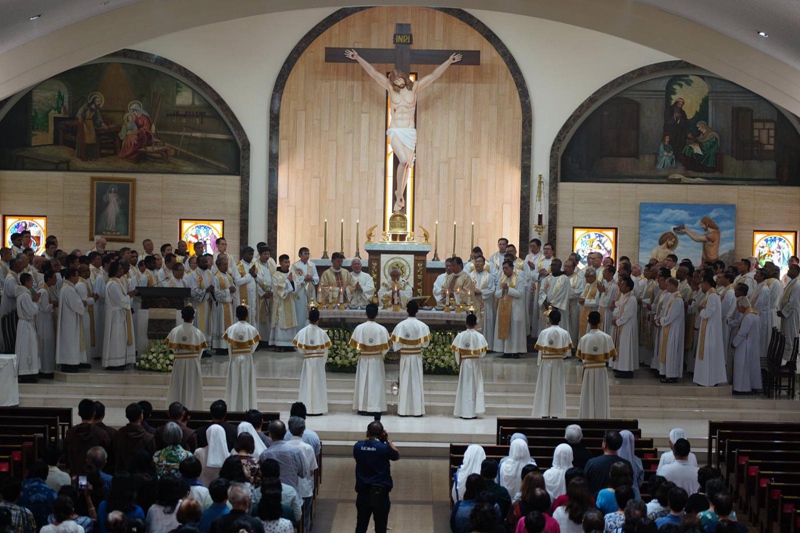
Religious and Memorial Settings
These settings usually call for dignity, symbolism, and long-term value.
Common choices include:
Figurative sculpture
Relief panels
Bronze works
Stone sculpture
Portrait or commemorative pieces
The emotional meaning of the sculpture is especially important in these environments.
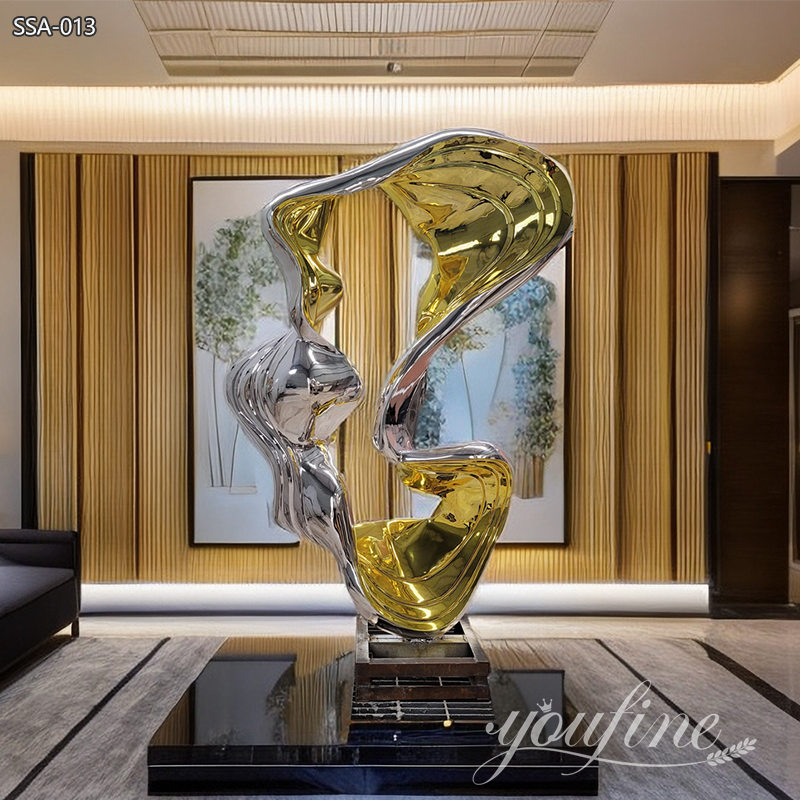
Hotels, Commercial, and Corporate Projects
Commercial spaces often use sculpture to support branding, atmosphere, or architectural identity.
Common choices include:
Abstract sculpture
Installation sculpture
Stainless steel sculpture
Conceptual sculptural forms
In these spaces, sculpture often works as both art and visual communication.
FAQ About Different Types of Sculptures
This section answers some of the most common questions people ask when learning about sculpture.
What are the four basic types of sculpture?
In traditional sculpture practice, the four basic types are often described as carving, casting, modeling, and assembling. However, in online searches, many people use “types of sculptures” to mean visible categories such as free-standing, relief, bust, and monumental sculpture.
What is the difference between a sculpture and a statue?
A sculpture is a broad term for three-dimensional art. A statue usually refers to a sculpture that represents a person, animal, or figure. In simple words, a statue is one kind of sculpture.
What is the most common type of sculpture?
Free-standing sculpture is one of the most common types because it can be used in many different environments, including gardens, interiors, public spaces, and memorial sites.
What type of sculpture is best for outdoor use?
Bronze, stone, and stainless steel are among the best materials for outdoor sculpture because they are durable and better able to handle weather conditions.
What materials are most commonly used in sculpture?
Some of the most common sculpture materials are bronze, marble, stone, wood, stainless steel, fiberglass, and resin.
Final Thought
The different types of sculptures are easiest to understand when they are divided by form, style, material, and use. The main types by form include free-standing, relief, bust, kinetic, installation, and monumental sculpture, while style categories such as figurative and abstract help explain how a sculpture looks and communicates. Materials such as bronze, marble, stone, stainless steel, and fiberglass further shape where a sculpture can be used and how it performs over time.
Once these categories are clear, it becomes much easier to compare sculptures and choose the right one for a garden, interior, memorial, hotel, public artwork, or commercial project.
At YouFine Factory, we work with a wide range of sculpture materials and formats, from bronze and marble to stainless steel and fiberglass, for indoor, outdoor, and public art projects. If you want to know more, please feel free to contact us.